
Last updated November 25, 2026
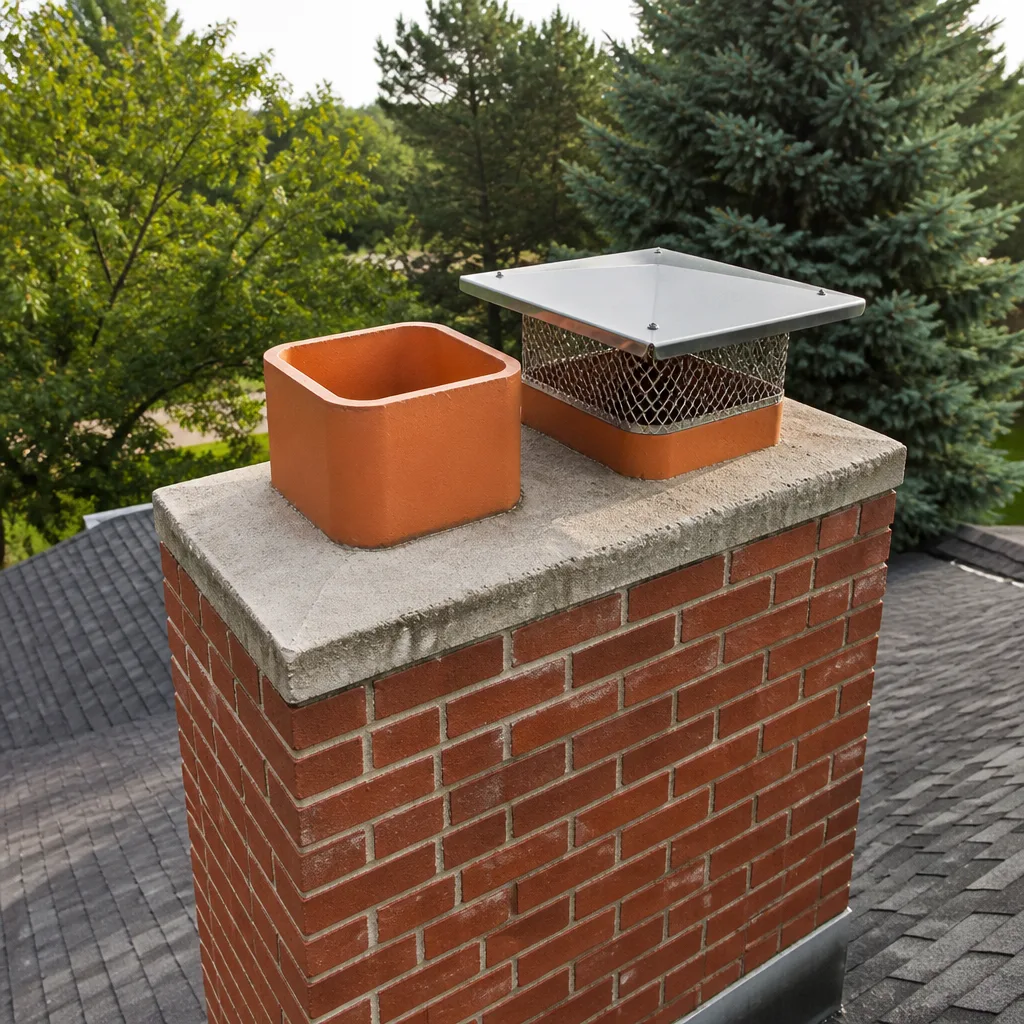 Sweep & inspection
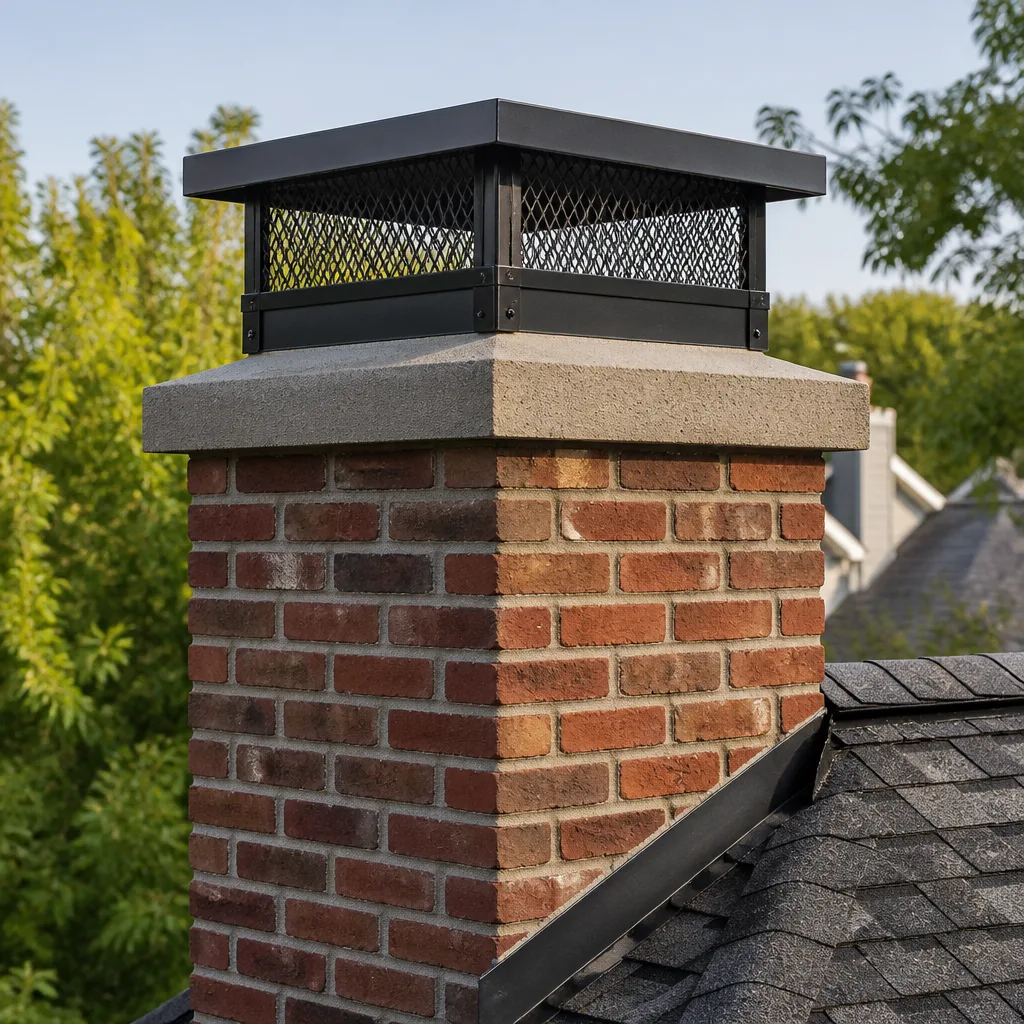 Caps & crowns
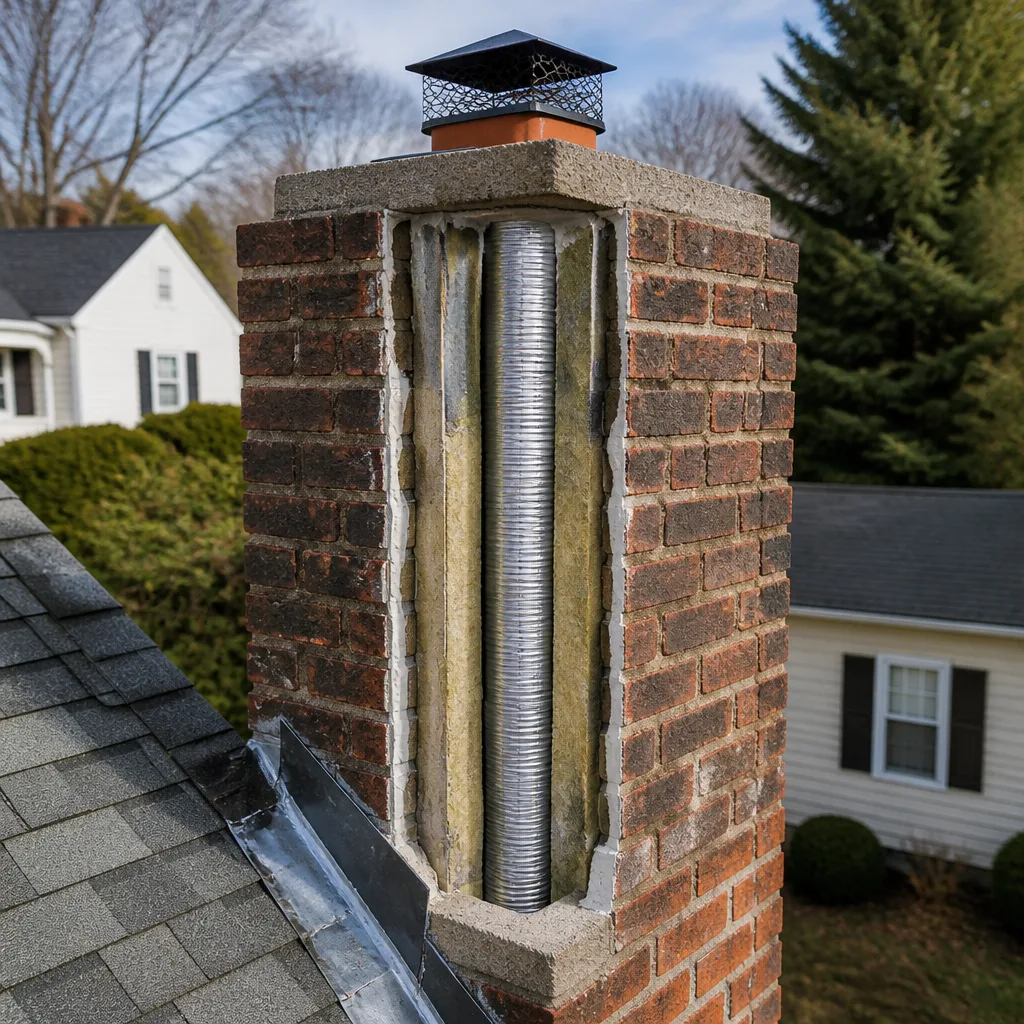 Flue relining
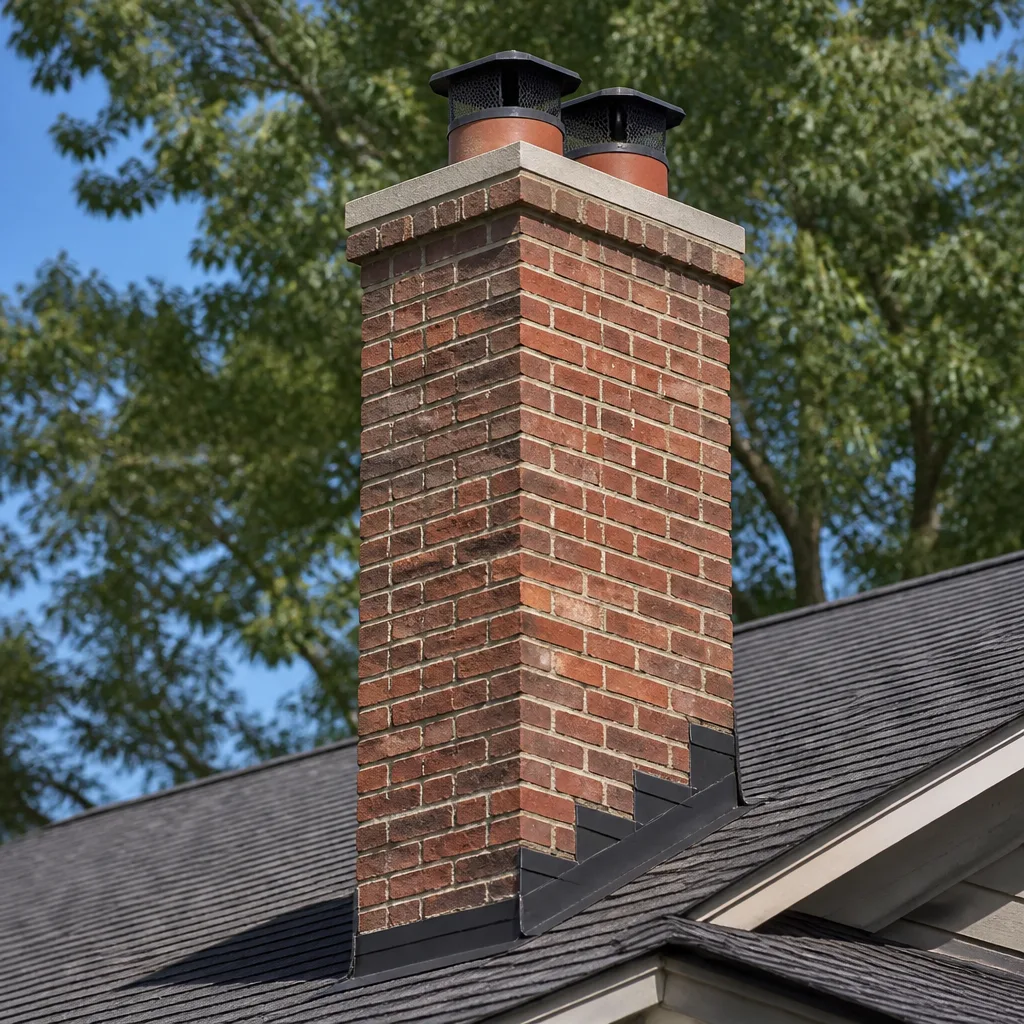 Masonry repair
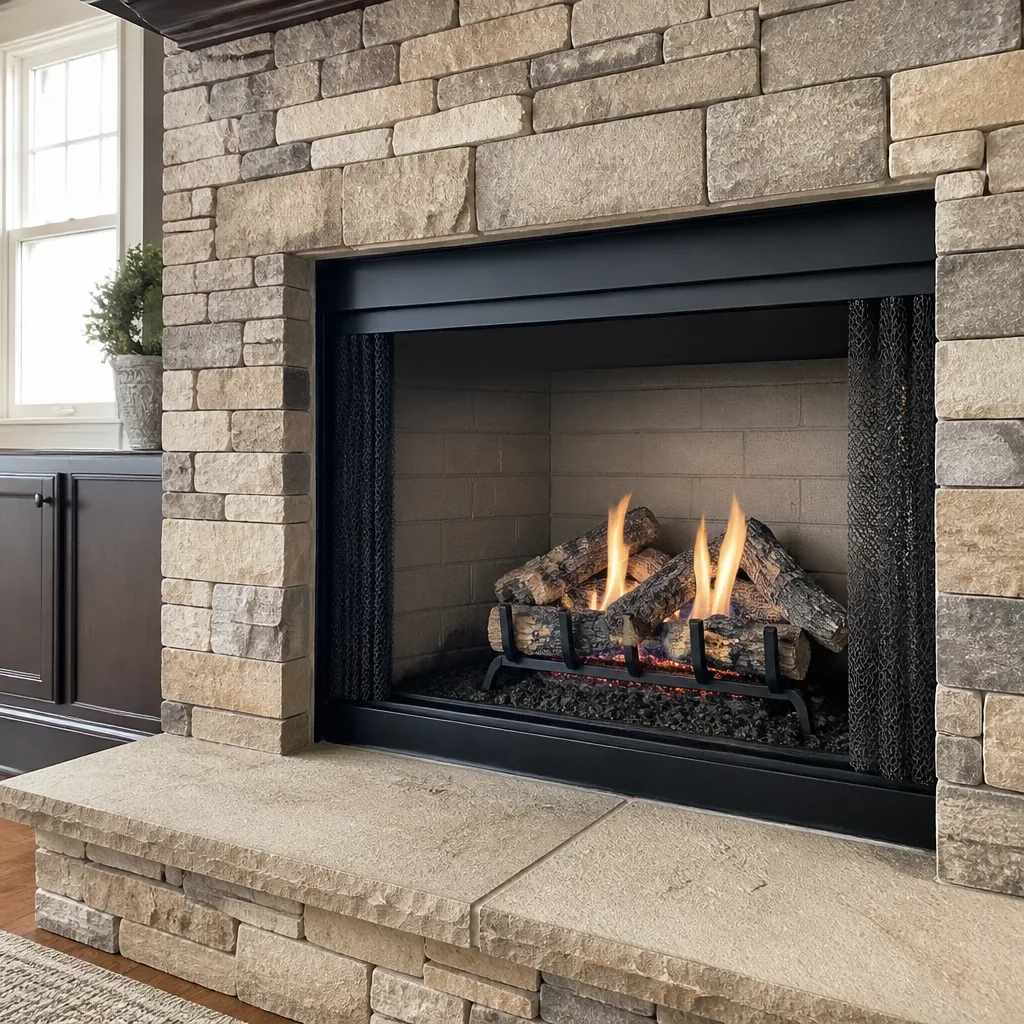 Gas fireplace service
Level 1 sweep and inspection to the NFPA 211 annual standard - flue, crown, cap, and flashing checked and photographed
Chimney sweep logs do not sweep chimneys. They loosen some creosote - which then falls where a brush and vacuum still have to collect it.
Seasonal Chimney Cleaning Care for Placentia: Year-Round Homeowner’s Guide
Most homeowners in Placentia schedule a chimney sweep in October, right before they light the first fire. It feels logical. It’s also about four months late. By the time October arrives, your crown has already spent a full summer baking in inland heat, your cap has taken whatever wind and sun pushed against it since spring, and any creosote left in the flue from last winter has had months to harden into a glaze that’s harder to brush. The worst chimney damage in Placentia doesn’t happen during the burning season. It happens during the nine months you’re not burning wood. This guide lays out a season-by-season calendar so you can service your chimney at the time of year that catches problems early and avoids weather delays.
Styles & brands we work with
- Sweep & inspection
- Caps & crowns
- Flue relining
- Masonry repair
- Gas fireplace service
Quick Answer
The best time to clean and inspect a chimney in Placentia is late spring, right after the last fire of the season, not right before the first. A spring cleaning catches summer-ready damage early so repairs like crown work, cap replacement, or HeatShield ceramic resurfacing can be scheduled without urgency and without weather delays. A fall re-inspection before your first October fire is still worth doing, but it’s a verification step, not a repair window.
Table of Contents
- Why Spring Beats October for a Placentia Chimney Cleaning
- Why Placentia’s Summer Heat Does More Crown Damage Than Winter Moisture
- What a Post-Season Spring Service Actually Involves
- June Through September: What to Check While the Chimney Is Idle
- Animal Intrusion and Damper Maintenance in the Off-Season
- The Fall Re-Inspection: What Changes Between Spring and October
- Wildfire Smoke Events and What They Leave in an Unused Flue
- Common Mistakes to Avoid
- When to Call a Professional
- Frequently Asked Questions
Why Spring Beats October for a Placentia Chimney Cleaning
A chimney cleaning scheduled in October happens at the wrong end of the damage cycle. Told plainly: by October, the damage is already done and you’re discovering it under time pressure, right when you want a fire. A cleaning scheduled in May or June happens when the chimney has just finished a full winter of use and before the long dry season starts stressing the structure. That’s the ideal window for a sweep to see what the winter actually did to the flue, the firebox, the damper, and the crown.
There’s a practical side to this too. In Placentia, spring and early summer are the least congested months for chimney work. Liner installation, HeatShield resurfacing, and crown replacements all get scheduled faster when the calendar is open. If a repair turns out to be a bigger job than expected, you have weeks to plan it instead of days. And nothing delays a crown replacement like waiting for the first rain of the season to pass, which is exactly what an October booking runs into.
Homeowners with a gas fireplace sometimes skip the seasonal question entirely, assuming a gas appliance doesn’t accumulate the same debris as wood. That’s not quite right. Gas flues still collect dust, insect nests, and in some installations the venting can be obstructed by birds or animals. A spring inspection covers both kinds of installation under one visit.
Here’s the calendar we recommend for Placentia homeowners:
- Late spring (after the last fire): Full cleaning and inspection. This is the sweep-first visit and it’s the most important one of the year.
- Early summer: Any identified repairs get scheduled and completed. Crowns, caps, liners, and resurfacing all happen here.
- Mid-summer: Verify the cap is intact and the damper operates freely. Watch for animal intrusion.
- Early fall: A lighter re-inspection to confirm nothing shifted over the summer. Ash and debris from wildfire smoke events get swept here if the flue was open to the sky.
- On the first cold night: Light the fire. The chimney has already been verified. No surprises.
If you’re already familiar with a standard Placentia Chimney Sweep visit, the spring slot just moves that appointment to the calendar position where it does the most good. Nothing about the service changes. The timing does.
Why Placentia’s Summer Heat Does More Crown Damage Than Winter Moisture
The crown is the concrete or mortar cap at the very top of the chimney that sheds water away from the chase. It spends all summer getting hit by direct inland sun in Placentia. That cycle of intense daytime heating and rapid evening cooling puts the same kind of stress on mortar and concrete that the winter freeze cycle puts on chimneys in colder climates. The difference is that Placentia’s summer heat is relentless for months, not intermittent. Small hairline cracks open up wider over a full summer, and mortar joints at the top of the chase weather first because they get the most sun and the least shade.
Most homeowners never see the crown. It’s above eye level from the ground, and unless you’re on the roof, you’ll only notice a problem when you spot water staining on the chase below, or a chunk of concrete on the ground near the base of the chimney. By then, water has often been getting into the masonry for at least one rainy season.
Winter moisture still matters in Placentia. The rainy season is short, but it’s concentrated, and a cracked crown that lets water into the masonry can cause damage quickly once the rain starts. Add the wall of a chimney to the equation and you have one structural element that needs to be checked before the first rain, not after. The best inspection window for a Placentia crown is exactly the one most homeowners skip: after the summer, before the rain.
The crown is your chimney’s first line of defense against water damage. We treat crown and cap installation as a core service, not an upsell. When a crown check turns up cracking, we can address it directly rather than handing it off to a separate masonry contractor who may or may not show up on your schedule.
What to look for from the ground, without climbing:
- Visible cracking along the top edge of the chimney, especially horizontal cracks
- Missing or crumbling mortar at the very top course of brick
- Water staining on the chase – dark vertical streaks below the crown
- A crown that visibly slopes back toward the flue instead of away from it
- Loose chunks of concrete at the base of the chimney
If any of those are visible, a crown inspection is the next step. A trained chimney professional will confirm the extent of the cracking and recommend the appropriate repair.
What a Post-Season Spring Service Actually Involves
A spring chimney service in Placentia covers more ground than a quick brush-out. It’s the post-season assessment that sets up the rest of your year. Here’s how a typical spring visit runs, in the order we work through it:
- Exterior inspection first. We look at the crown, the cap, the chase, and the flashing before anyone gets on a ladder to work inside. What the outside shows us tells us what to expect inside.
- Sweep the flue. Standard brushing, with drop cloths and a containment setup so nothing comes into the living space. This is the chimney sweep step, and it’s the one that clears the creosote and ash from the winter.
- Camera inspection of the flue. A camera goes up the flue to check for cracks, gaps in the liner, and areas of glaze that creosote has hardened into. We show you the footage.
- Firebox and damper check. The firebox takes heat stress over a season and the damper needs to open and close freely. Both get cycled and inspected.
- Documented findings. Any repair recommendation is documented with photos or video. You see what we see.
Every recommendation comes with the evidence behind it – camera footage you can review, photos of the crown cracking, or a clear explanation of a damper that’s sticking. No recommendation is made without documented findings. That’s the inspection-first workflow we work by, and it holds for every service we perform.
Spring is also when a full liner assessment makes sense. If the camera shows a compromised flue, we work with DuraFlex stainless steel flexible liner systems, and in less severe cases we can apply HeatShield ceramic flue repair as a resurfacing option that extends the life of the existing flue without a full reline. Not every sweep-only crew performs HeatShield resurfacing, so this is worth asking about when you’re booking. If you’re seeing a smoky firebox or a draft that’s worse than it used to be, that’s the kind of thing a spring inspection catches while it’s still a small problem.
June Through September: What to Check While the Chimney Is Idle
The idle months aren’t nothing months. Placentia’s long dry stretch is when the structure is under the most direct stress, and it’s also when small issues accelerate. A crown crack that opens in June widens by August. A cap that loses a screw in July may shift into a position that lets water in by the first fall storm. The chimney is out of sight and out of mind, which is exactly why the checklist matters.
Here’s what to watch for from June through September:
- Cap integrity. Check that the cap hasn’t shifted, dented, or lost fasteners. A cap that’s cocked sideways will let water into the flue on the first rain.
- Chase staining. New dark streaks below the crown, or white efflorescence on the brick, are signs of water movement.
- Animal intrusion at the top. Birds, squirrels, and other animals will use an open flue as a nest site. A properly fitted cap prevents this.
- Damper operation. Cycle the damper by hand a few times over the summer. Stiff dampers get stiffer if they sit.
- Debris brush-off. Any leaves, twigs, or debris visible in the firebox or at the top of the flue should be cleared before the first fire.
This is also the window where repairs happen most efficiently. When the camera footage from spring shows a crown needing replacement, a cap needing refitting, or a flue needing HeatShield resurfacing, the summer is the cleanest time to get it done. There’s no rush, the weather is dry, and the work doesn’t interfere with the burning season. A cap or crown installed in July has at least a full rainy season of protection ahead of it before it needs to be checked again.
If you haven’t had an inspection this year and don’t know where your chimney stands, a summer visit is the low-stress appointment to book. It’s unhurried, and the whole season is open for follow-up work.
Animal Intrusion and Damper Maintenance in the Off-Season
Two of the most common off-season chimney issues we see in Placentia are animals and stuck dampers. Both are preventable and both get worse the longer they sit.
Bird nests and animal debris are the number one off-season intrusion problem. A flue cap with a screen or a proper rain cover prevents almost all of it. When an animal does get into the flue, the nest material restricts airflow and creates a fire hazard the next time you light a fire – a bird’s nest is made of dry organic material and it sits directly where the exhaust needs to travel. If you hear scratching or fluttering from the chimney in the off-season, don’t wait it out. A professional check is the right next step.
Damper maintenance is the smaller issue that becomes the bigger one. A damper that gets stuck in the open position over the summer lets cold air, insects, and moisture into the firebox. A damper stuck closed into the heating season is worse: it smokes the room the moment you light a fire and you have to figure out why in a hurry. Cycling the damper a few times a month during the summer keeps the mechanism moving. If it’s already stuck, that’s a repair, not a maintenance task. Fireplace damper work falls under fireplace repair and is something we handle on the same inspection visit as the sweep.
Prevention checklist for the off-season:
- Confirm the cap has a screen or rain cover and is tightly fastened.
- Watch for bird activity around the chimney top during the summer.
- Cycle the damper by hand regularly.
- Check for debris in the firebox before the first fall fire.
- Book an inspection if anything looks off.
These five items take about two minutes of attention, twice a summer. They prevent the majority of off-season problems we get called out for.
The Fall Re-Inspection: What Changes Between Spring and October
A fall re-inspection is a different kind of visit than the spring service. It’s a verification pass, not a sweep and not a full interior inspection. Its job is to confirm that the chimney is in the same condition it was in after spring service, and that nothing shifted over the summer.
What a fall re-inspection covers:
- Crown check. Confirm no new cracking has opened since the spring visit.
- Cap check. Verify the cap is still in place and correctly oriented.
- Flue debris check. Clear any ash that settled into the flue over the summer, especially after any wildfire smoke in the air.
- Damper check. Confirm it opens and closes freely before the first fire.
- Firebox check. Look at the firebox walls for damage from the summer, or lingering debris.
What a fall re-inspection should not be is a full repair window. If the spring inspection found a crown that needs replacing and a HeatShield liner assessment, the fall is too late to schedule it comfortably. That work belongs in the summer. The fall visit exists to confirm, not to discover.
One practical note: if you haven’t had a spring inspection this year, the fall visit becomes your primary. In that case it does include a full sweep and a camera inspection of the flue, just like the spring service. It’s simply happening at the more expensive end of the calendar, which in Placentia means less lead time and more weather risk for follow-up repairs. The chimney repair work itself is the same; the scheduling around it is tighter.
If you want the fall visit to stay light, pair it with a spring service earlier in the year. The two together keep you on a defensible annual cycle without a scramble in October.
Wildfire Smoke Events and What They Leave in an Unused Flue
Southern California wildfire smoke doesn’t stay in the air. It settles. And in Placentia, an unused flue with a damaged cap or an open top is a settling site. Fine ash gets into the flue, coats the walls, and mixes with the existing creosote residue from the previous winter. The result is a rougher, more flammable surface that catches faster on the first real fire of the season.
This is one of the reasons the first-of-season lighting deserves more care here than in regions without wildfire events. Even a fire that looks clean from the firebox up can have a film of ash that hasn’t been swept since the spring. That film doesn’t disappear on its own.
What to do after a wildfire smoke event:
- Note the timing. If significant smoke lingered in your area, that’s a reason to schedule a sweep before the first fire.
- Check the cap for ash and debris buildup. A cap that traps ash becomes a rain-holding cup over the winter.
- Don’t rely on “it looks clean from the firebox.” Ash residue coats the flue walls where you can’t see it without a camera.
- Book an inspection before the first fire if it’s been any length of time since the last one.
We work with HeatShield ceramic flue repair and DuraFlex liner systems when a flue needs structural restoration after a season of buildup. For a flue that’s simply ash-coated, a standard sweep handles it. The sweep tells you which one you have. That’s the pattern we recommend for any homeowner facing the first fire after a smoke-heavy summer: sweep first, decide on repairs from what the camera shows.
Components sourced for any cap or crown work come from established chimney supply brands including Olympia Chimney and Gelco, and we don’t substitute generic hardware-store parts in a high-temperature flue environment. A cap that fails in the first season is worse than no cap, because it hides the problem inside the flue.
Common Mistakes to Avoid
- Booking the cleaning only in October. October means you’re discovering the season’s damage after the summer already did it. Book a spring sweep and the fall visit stays light. Companies in Placentia get flooded with October requests and the calendar fills up, leaving less flexibility if repair work turns out to be needed.
- Assuming a caps-off summer is fine. An open flue with no proper cap is an invitation to birds, squirrels, ash, and water. The cap is the first line of defense; skipping it to save a small amount on installation ends up costing more in cleanup.
- Skipping the camera inspection. A clean-looking firebox says nothing about what the flue walls look like above the smoke shelf. A sweep without a camera inspection is half a service. Ask for the footage.
- Using a cap or crown product from a hardware store. Caps and crowns sourced from general retail aren’t rated for a high-temperature flue environment. A cap that warps or a crown that crumbles in one summer ends up being replaced at the start of the next season.
- Ignoring a smoky firebox all summer. A smoky firebox in June is a draft problem, a blockage, or a damper issue. Waiting until October to find out means diagnosing it when you most want a fire. Handle it in the summer when there’s no time pressure.
- Assuming a chimney is “clean because it looks clean.” Creosote and ash don’t look like much from the firebox, and a flue can have substantial buildup that only the camera will show. That’s why the inspection comes before the sweep, not after.
- Skipping a year entirely. A year without inspection is a year in which a crown crack widens, a cap shifts, or a liner develops a gap. The repairs are cheaper when the problems are caught early.
When to Call a Professional
Call a professional chimney service in Placentia if you haven’t had an inspection in the past year, if you’ve noticed a smoky firebox that only started smoking recently, if there’s visible cracking on the crown, if you’ve seen water staining on the chase, if the cap is visibly damaged or missing, if you hear animal activity from the chimney, or if the damper is stuck open or closed. If you had a fire this past winter and haven’t had a sweep since, a spring booking catches the season’s damage early. If wildfire smoke was heavy in your area over the summer, a sweep before the first fire is worth scheduling. Placentia Chimney Sweep offers free estimates in Placentia. Call (866) 585-7269 for an appointment. Estimates are free, and the written estimate sets the final price.
Frequently Asked Questions
The cost varies by flue configuration, access, and whether repair work is included. Every appointment here is set per job by the written estimate, and estimates are free. That’s different from a set national rate card, and it’s the honest way to price chimney work because a straightforward single-flue sweep and a two-flue chimney with a camera inspection aren’t the same job. Call (866) 585-7269 for an exact quote – estimates are free.
Only if the camera inspection shows the existing flue has cracks, gaps, or a HeatShield resurfacing that won’t extend its life. We don’t recommend a liner replacement without documented evidence you can see for yourself. In many cases, HeatShield ceramic flue repair is a defensible alternative to a full reline: it’s a resurfacing product that can restore a damaged flue without replacing the liner system. If the camera shows the flue is intact, you don’t need the work. If it shows a gap, you do. There’s no sales pitch in between. Call (866) 585-7269 for an inspection – estimates are free.
Once a year is the standard rule of thumb for a home that burns wood regularly, but Placentia’s climate shifts the scheduling more than the frequency. The annual sweep is best done in late spring, after the last fire, so the summer is available for any repairs the sweep identifies. If your home burns frequently or has a history of heavy creosote, once a year is the floor, not the ceiling. Call (866) 585-7269 to book a spring sweep – estimates are free.
Skipping a year means a crown crack gets a full extra summer to widen, a cap that’s already loose might shift or come off, and a flue with creosote residue gets another season of hardening. None of those are dramatic on their own, but they compound, and the repair list grows. That’s the specific reason we push for the spring sweep: catching the small problems before they become structural work is the whole strategy. Call (866) 585-7269 for an inspection – estimates are free.
Yes. A spring cleaning catches the damage from the last winter before the summer heat widens it, and it opens the entire dry season for scheduled repairs. A fall cleaning catches the same winter damage four to five months later when the repair window is short and the calendar is congested. Both visits are useful, but the spring slot is the one that catches problems early. Call (866) 585-7269 to schedule a spring sweep – estimates are free.
A fall re-inspection after a spring service is a verification pass: crown, cap, flue debris, damper, and firebox only. It doesn’t include a full sweep unless the flue was re-exposed over the summer to ash or debris, and it doesn’t usually include a camera inspection unless there’s a specific reason. The purpose is to confirm the chimney is safe to fire up after a summer of sitting. Call (866) 585-7269 – estimates are free.
Yes, and that’s the way we structure it. The crown check and cap check happen on the same visit as the sweep, so there’s one appointment, one set of findings, and one written estimate covering anything that needs repair. You don’t need separate contractors for the cap, the crown, the sweep, or the fireplace repair – one crew, full chimney. Call (866) 585-7269 to book – estimates are free.
Booking a Placentia Chimney Cleaning
If you’re reading this in November or December, the answer to “when should I book a cleaning” is the same as it is in May: book now for the earliest available slot, and aim to have the next visit land in spring. Our technicians have up to 14 years of experience, and every visit follows the same inspection-first workflow. Book a sweep in Placentia and the camera goes up the flue together with the brush, so the findings come back with the cleaning, not after it. If you want any repair work scheduled with time to spare before next fall, the summer is the right slot. Call (866) 585-7269 to book. We answer 24/7. Fast dispatch from 7am to 7pm, Sunday through Friday. Estimates are free, and the price is set per job by the written estimate.
Written by the team at Placentia Chimney Sweep.
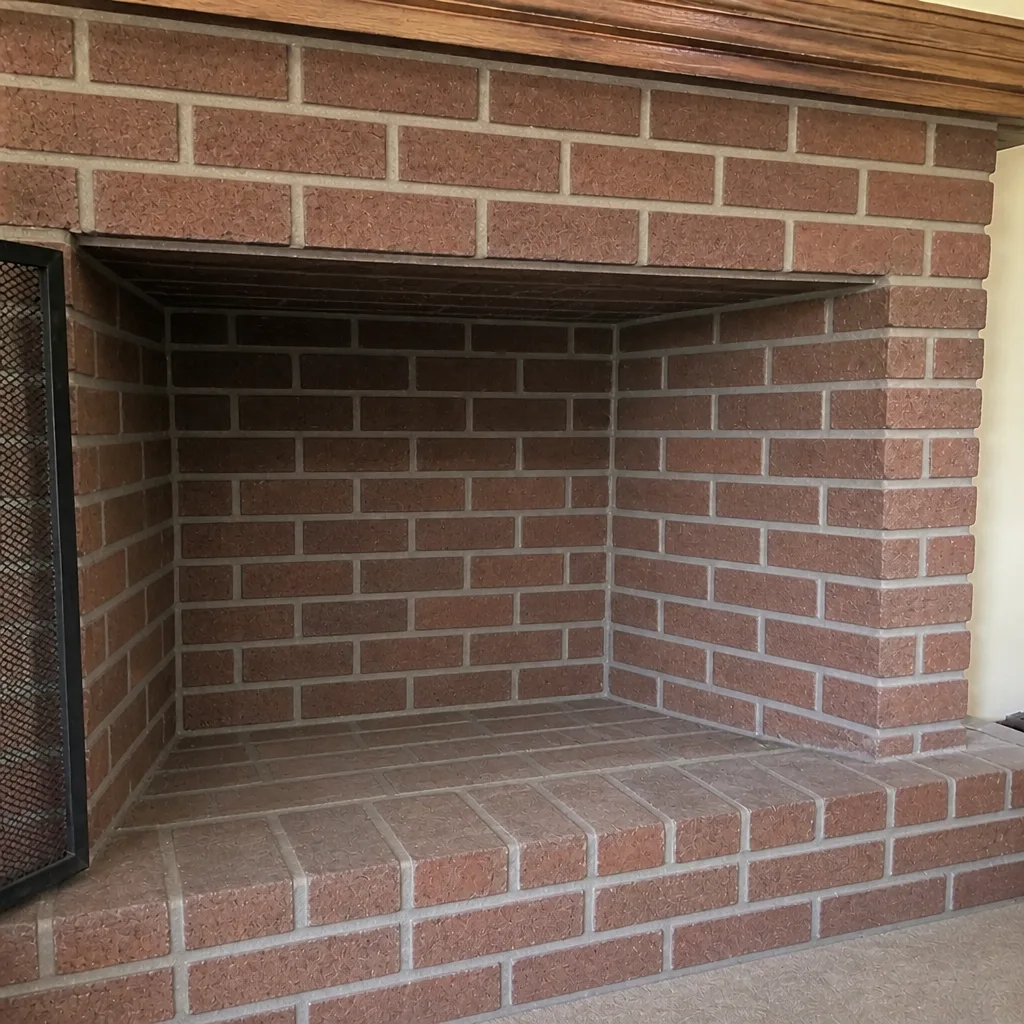
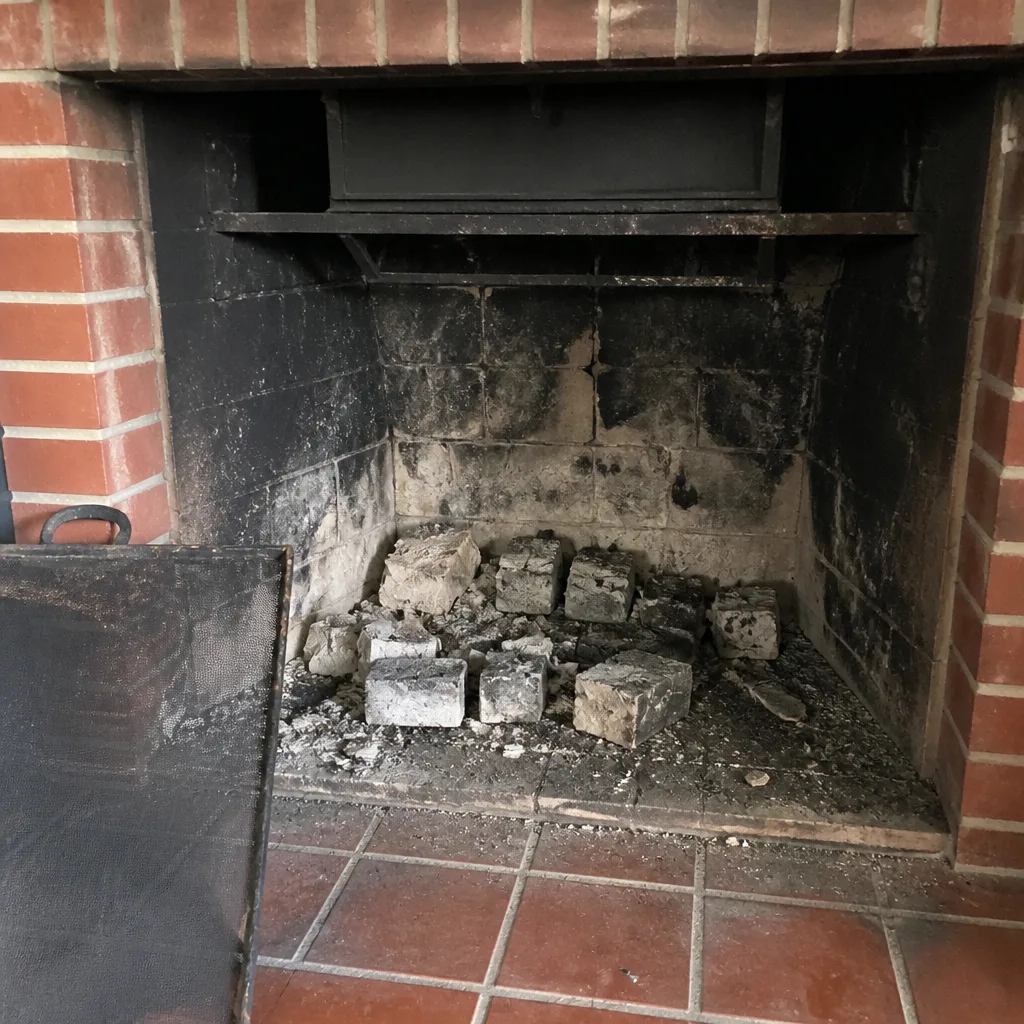
See the difference
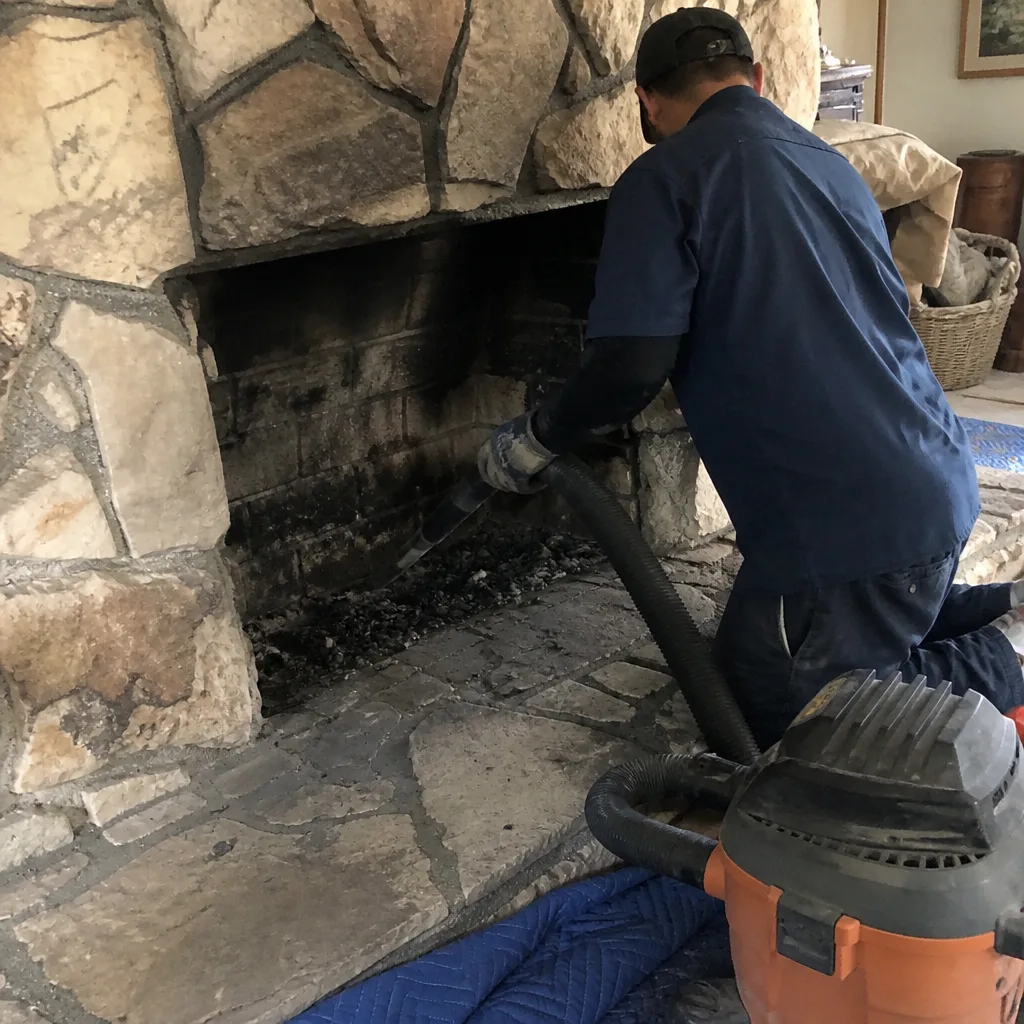 Before
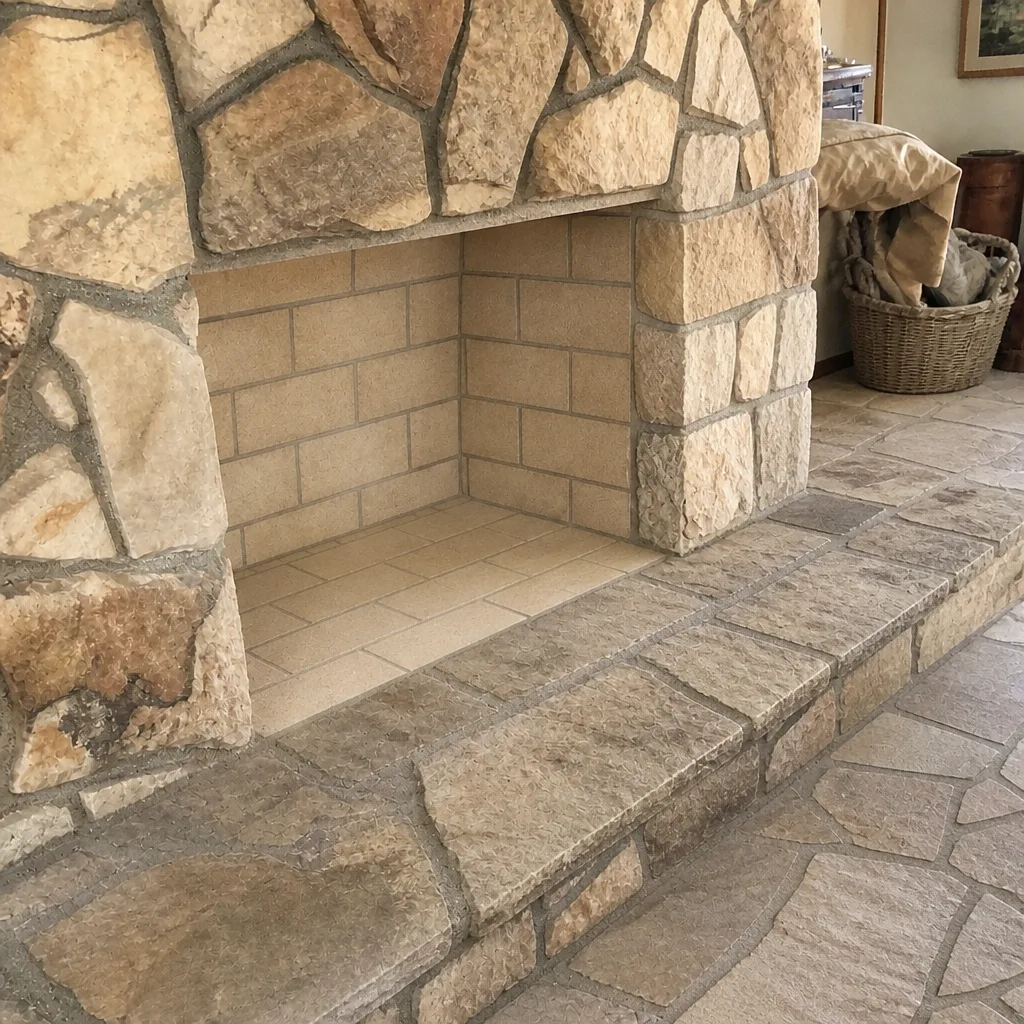 After
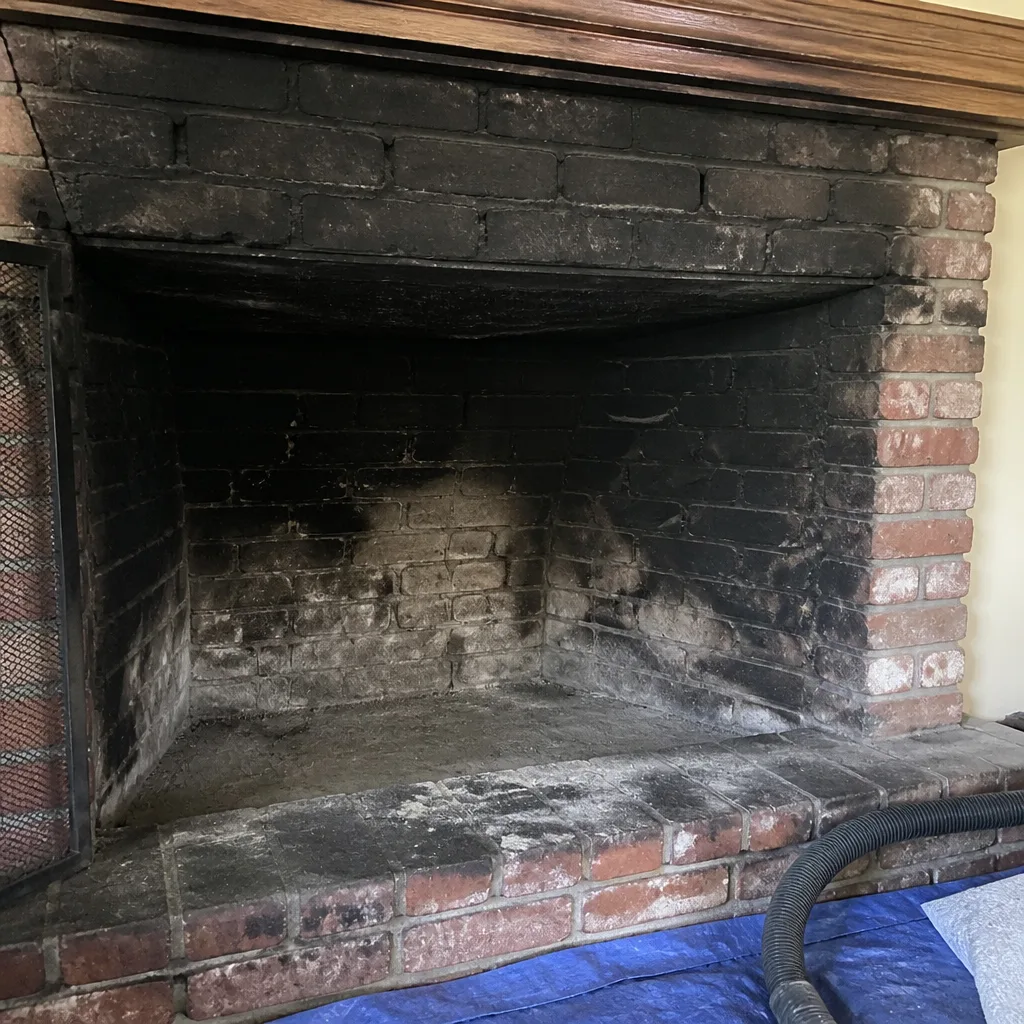 Before
 After
 Before
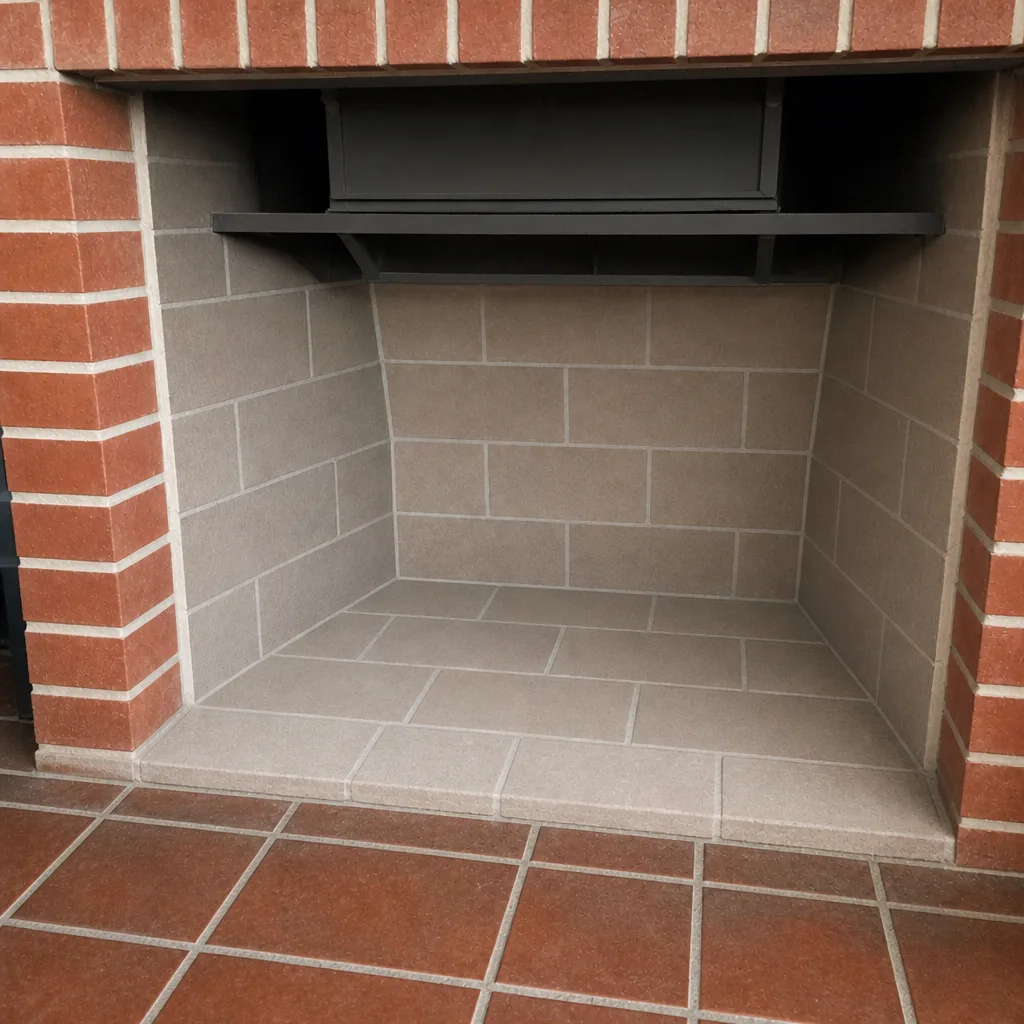 After