
Last updated November 25, 2026
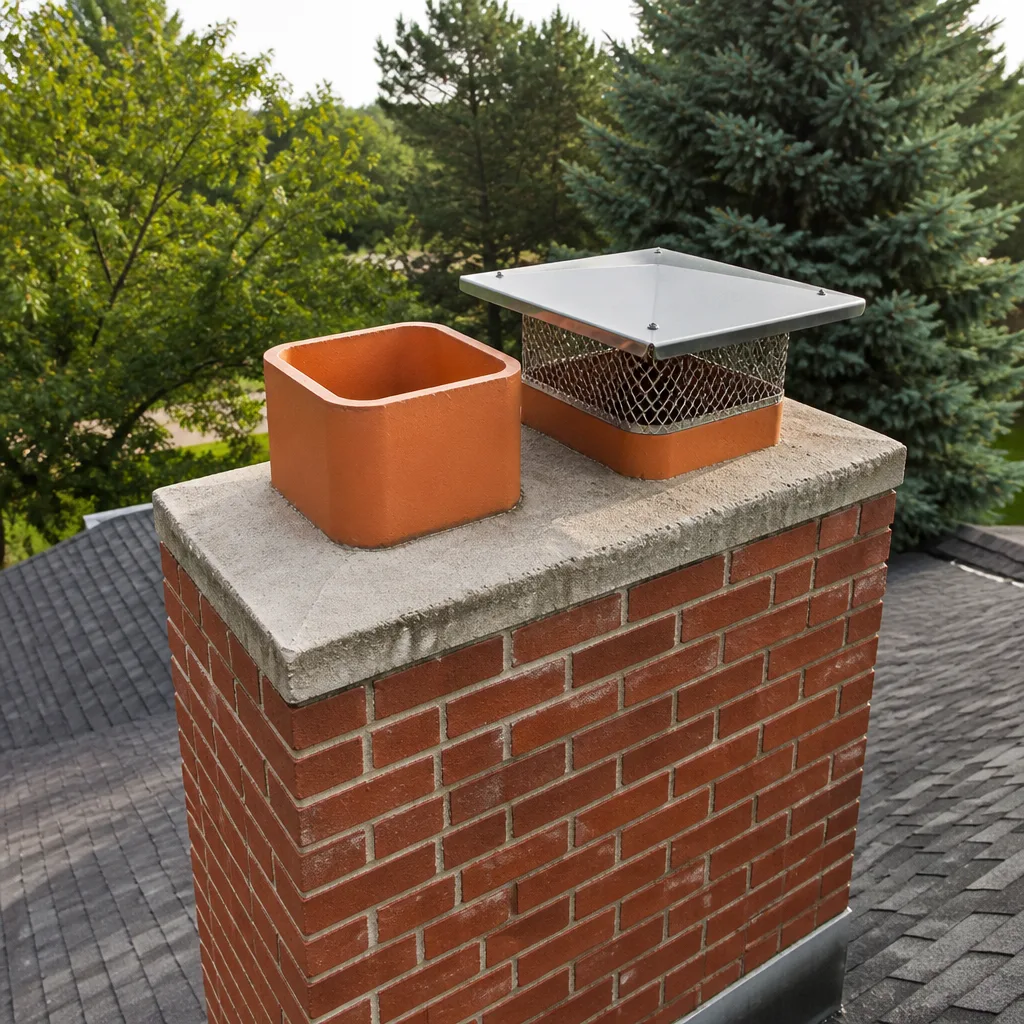 Sweep & inspection
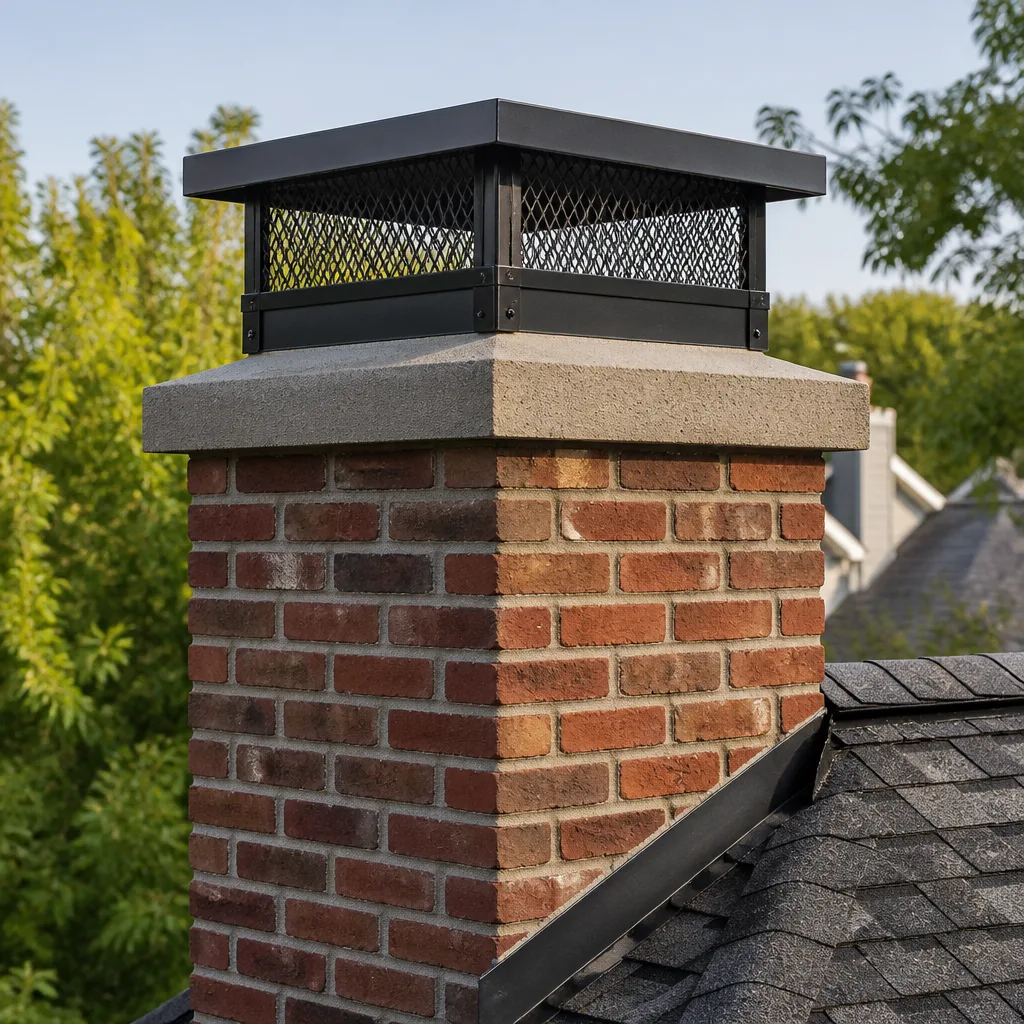 Caps & crowns
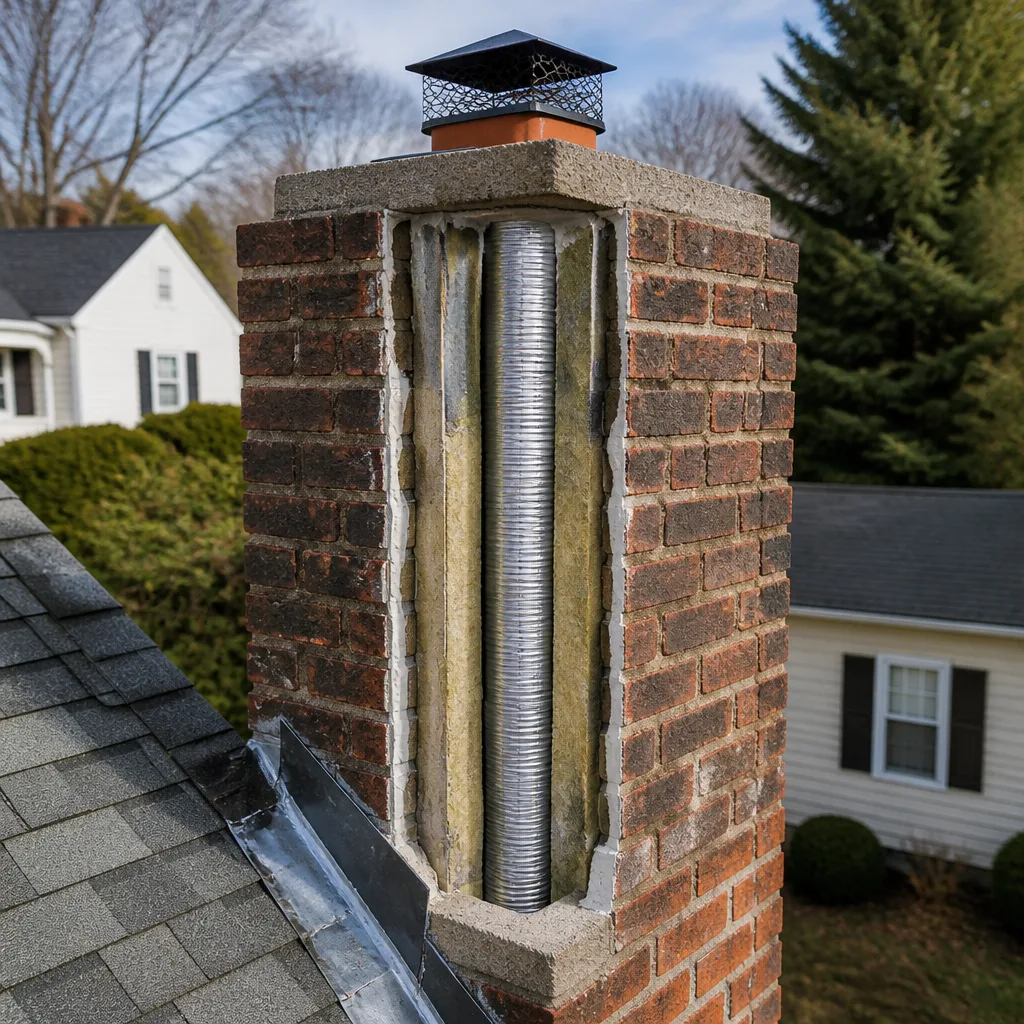 Flue relining
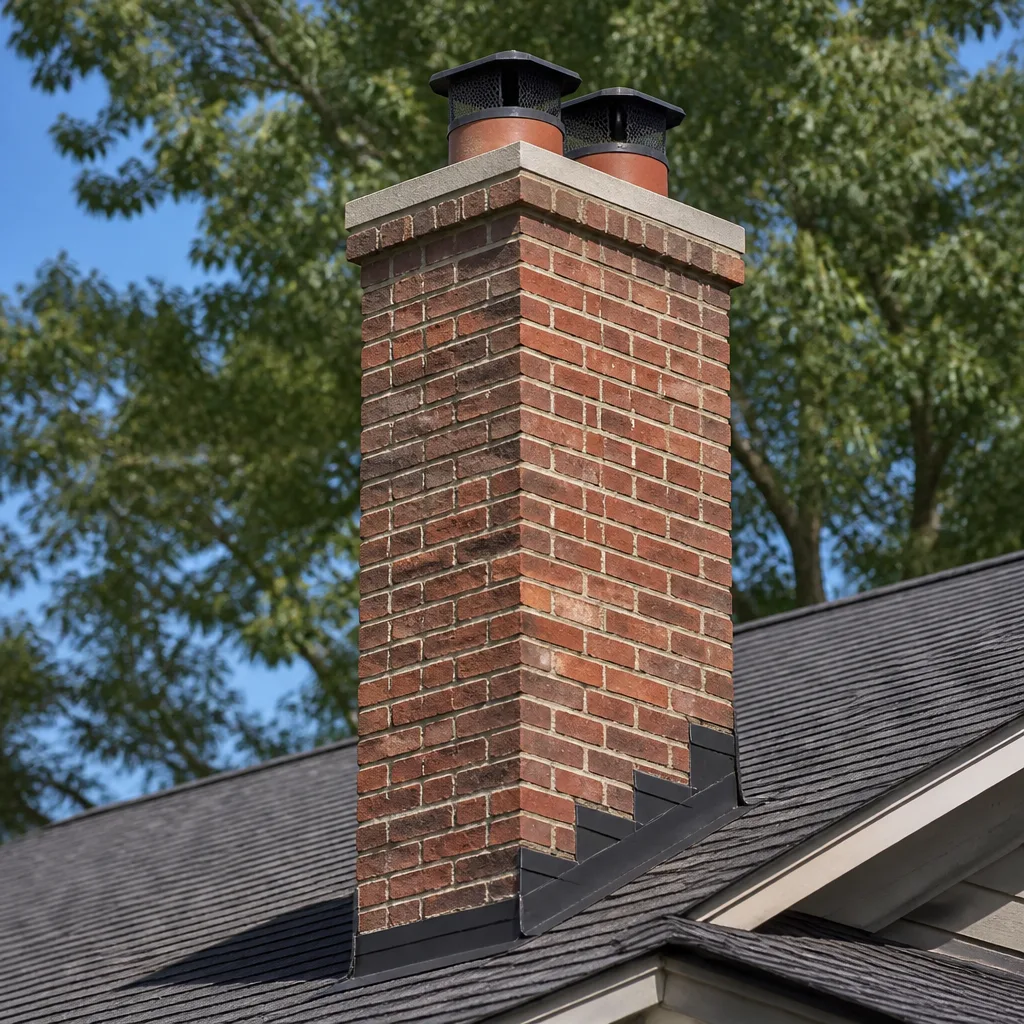 Masonry repair
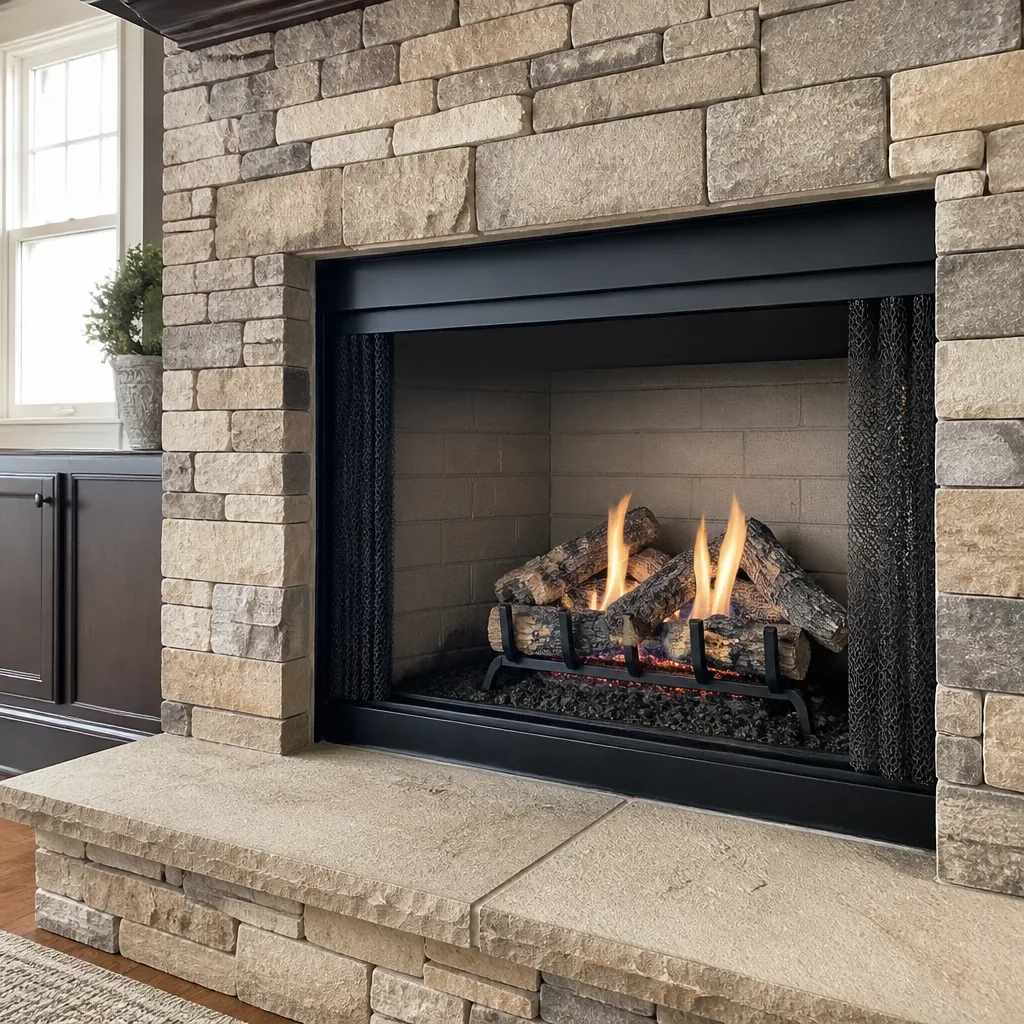 Gas fireplace service
Level 1 sweep and inspection to the NFPA 211 annual standard - flue, crown, cap, and flashing checked and photographed
Chimney sweep logs do not sweep chimneys. They loosen some creosote - which then falls where a brush and vacuum still have to collect it.
Chimney Cleaning Permits, Codes & Inspections in Placentia, CA: What You Need to Know
The counterintuitive part of chimney work in California isn’t the cleaning. It’s what happens after. A standard sweep is routine maintenance and generally doesn’t require a permit from the City of Placentia Building Division. But the moment a cleaning turns up a cracked flue tile, a deteriorated liner, or a damaged crown that needs rebuilding, you’ve crossed into repair territory, and repair work can trigger permit requirements under the California Residential Code. Homeowners who assume “it’s just a chimney” often discover the gap much later, usually during a home inspection or an insurance claim. This guide covers which work needs a permit, how California Residential Code Section R1003 and NFPA 211 apply to existing chimneys in Placentia, and what to document so you have a defensible paper trail either way.
Quick Answer
A routine chimney cleaning in Placentia does not require a permit. Structural repairs, flue relining, and chimney rebuilds generally do require a permit from the City of Placentia Building Division, and the work must meet California Residential Code Section R1003 and NFPA 211 standards. Unpermitted chimney repairs can complicate insurance claims and surface as red flags during a resale inspection. When in doubt, ask the Building Division directly and request written documentation from whoever does the work.
Styles & brands we work with
- Sweep & inspection
- Caps & crowns
- Flue relining
- Masonry repair
- Gas fireplace service
Table of Contents
- Which chimney work in Placentia needs a permit and which doesn’t
- How California Residential Code Section R1003 applies to existing chimneys
- What NFPA 211 means for a California chimney inspection
- The three levels of chimney inspection and when each applies
- How permit history affects a home sale in Placentia
- What to ask a contractor to document for a defensible paper trail
- Placentia-specific factors that shape chimney condition
- What actually happens when you skip the work
Which Chimney Work in Placentia Needs a Permit and Which Doesn’t
The dividing line between maintenance and construction is the question that trips up most homeowners, and honestly, most contractors who don’t work on chimneys every day. Cleaning, inspection, and minor component swaps are maintenance. Anything that changes the structure, the flue geometry, or the fire-safety envelope of the system is construction, and construction needs a permit from the City of Placentia Building Division.
Work that is generally permit-free
- Routine sweeping of the flue and firebox
- A Level 1, 2, or 3 inspection with a written report
- Replacing a chimney cap with a like-for-like cap
- Minor crown patching where the crack is hairline and the crown is otherwise sound
- Replacing a damper that matches the existing opening
- Removing a bird nest, debris, or creosote buildup
Work that generally requires a permit
- Installing a new stainless steel liner or replacing an existing one
- Rebuilding a chimney above the roofline
- Removing or altering a chimney that passes through a wall or ceiling
- Converting a wood-burning fireplace to gas or installing a new insert
- Applying a structural resurfacing product to a damaged flue
- Any repair that changes the flue’s interior dimensions or clearances to combustibles
Two caveats matter here. First, the City of Placentia Building Division makes the final call on whether a specific job needs a permit, and that determination can vary based on how the scope is described on the application. Second, “permit-free” doesn’t mean “unregulated.” Even routine maintenance has to leave the chimney in a condition that would pass inspection if a building official looked at it. That’s where the codes come in.
If you’re unsure whether your situation crosses the line, a professional chimney sweep can usually tell you within a few minutes of looking at the flue.
How California Residential Code Section R1003 Applies to Existing Chimneys
California Residential Code Section R1003 governs masonry fireplaces and chimneys, and it applies to existing chimneys the same way it applies to new ones. The section covers flue lining, clearance to combustibles, hearth extension dimensions, and the structural integrity of the chimney itself. It’s the standard a Placentia building official will reference when reviewing a permit application or responding to a complaint.
The phrase that matters most for homeowners is substantial repair. California’s code doesn’t draw a bright line at a specific square footage or dollar amount, but in practice, a repair that touches a significant portion of the flue, the chimney structure, or the firebox crosses into territory where the chimney must be brought into compliance with current code, not grandfathered to whatever was in place when the house was built. In our experience, this is the part of the conversation homeowners find most surprising.
What “substantial repair” typically triggers
- Re-inspection of the entire flue. Once repair work begins, the inspector looks at the whole flue, not just the section being repaired. Old damage elsewhere becomes visible in the process.
- Verification of clearances. The chimney must maintain proper clearance to combustible framing. A repair that closes a gap or changes the chase dimensions can trigger a clearance review.
- Flue lining compliance. The lining material must meet the code’s requirements for the appliance being vented, whether that’s wood, gas, or oil.
- Crown and cap integrity. The crown and cap must shed water and exclude animals, and a repair that reaches the top of the chimney generally pulls those components into scope.
- Documentation of materials. The liner or resurfacing materials used must be rated for the flue environment, and inspectors increasingly ask for product documentation.
This is where material choice stops being a contractor preference and becomes a code question. A DuraFlex stainless liner or a HeatShield ceramic flue repair has documentation that supports its use in a high-temperature flue. Generic hardware-store substitutes often don’t, and that gap can turn a permit that should sail through into a correction notice. If you’re hiring for a repair in Placentia, ask what product the contractor plans to use and whether they can provide the manufacturer’s spec sheet.
What NFPA 211 Means for a California Chimney Inspection
NFPA 211 is the national standard for chimneys, fireplaces, vents, and solid fuel-burning appliances. It’s the document a certified inspector references to determine what “safe” and “code-compliant” actually mean in practice, and it’s the standard the Chimney Safety Institute of America uses for its certification exams. California’s residential code incorporates it, which means a Placentia building official can reference NFPA 211 directly when evaluating a chimney.
What NFPA 211 does in a real inspection:
- It defines the three levels of inspection and what each one covers, so a homeowner knows what they’re paying for.
- It sets the criteria for when a chimney is considered “acceptable” versus “needs correction” versus “unsafe to use.”
- It establishes clearance requirements between the chimney and combustible materials.
- It defines the required flue sizing for each appliance type.
- It gives the inspector a documented basis to recommend a repair, not just an opinion.
The practical benefit to you is that a genuine NFPA 211 inspection produces findings that hold up. If an inspector says “your flue tile is cracked and the liner needs replacement,” NFPA 211 is the standard that supports that recommendation, and the inspector should be able to point to the specific finding. In our experience, a recommendation that can’t be matched to a photograph and a code reference is a recommendation worth asking questions about.
When you book a Placentia Chimney Sweep, expect the findings to come back as documented observations, not a sales conversation.
The Three Levels of Chimney Inspection and When Each Applies
NFPA 211 defines three inspection levels, and knowing which one your situation calls for prevents both overpaying for work you don’t need and underspending on an inspection that won’t cover what you’re trying to accomplish. Here’s the plain-language version.
Level 1 inspection
This is the standard inspection that accompanies a routine sweep. The inspector reads the accessible portions of the chimney: the firebox, the damper, the visible flue, the chimney exterior, and the roof-level components. It applies when the appliance and fuel type haven’t changed and the chimney is in continued service. A Level 1 inspection is the right call if you’ve been sweeping regularly and nothing has changed. It’s also what a home inspector will expect to see documented when you sell.
Level 2 inspection
A Level 2 inspection adds a video scan of the entire flue interior using a camera, plus a review of accessible attic and crawl space areas for the chimney’s pathway. It’s required any time a property changes hands, when an appliance or fuel type is changed, after an event that could have damaged the chimney, or when a Level 1 inspection turns up a concern that can’t be resolved from the accessible portions. In our experience, most Placentia homes that have never had a documented inspection benefit most from a Level 2 scan, because the video is what actually shows a homeowner what condition the flue is in.
Level 3 inspection
A Level 3 inspection is diagnostic and invasive, used when a serious hazard is suspected and the accessible portions of the chimney can’t resolve the question. It may involve opening concealed spaces. This is uncommon, but when it’s warranted, it’s warranted, and it’s usually a consequence of a Level 2 finding that couldn’t be explained any other way.
Which level is right for you?
- Annual sweep and clean flue: Level 1.
- Buying or selling a home, or a first documented inspection: Level 2.
- Switching fuel types or installing an insert: Level 2.
- A recent chimney fire, earthquake, or storm damage: Level 2, or Level 3 if findings warrant it.
- An unresolved concern after a Level 2: Level 3.
If a contractor recommends a repair without stating the inspection level that produced the finding, that’s a fair question to ask before anything gets booked.
How Permit History Affects a Home Sale in Placentia
Chimney permit history rarely comes up during casual conversation about a home, but it comes up reliably during a resale. A buyer’s home inspector will look at the chimney the same way they look at the roof, the electrical panel, and the HVAC system: what’s visible, what’s documented, and what’s missing. When records are missing, the inspector notes it, the buyer asks questions, and the transaction slows down.
What a home inspector is likely to flag on a Placentia chimney:
- A chimney that has been altered or rebuilt with no permit on record
- A liner or insert that doesn’t match the appliance
- A crown that is cracked or missing a drip edge
- A missing or damaged cap
- Visible staining on the chase that suggests water intrusion
- No documented inspection within the recent past
The permit piece is subtler than the physical piece. Physical defects get noted in the inspection report and can be priced into a repair credit. Unpermitted structural work is a different conversation, because the buyer now has to take on the risk that the work isn’t up to code, and their lender or insurer may care. In our experience, a chimney with a clean permit trail and a documented inspection history is simply easier to sell. It’s not because the work is dramatically better; it’s because the buyer’s inspector has less to ask about.
If you bought a Placentia home with a chimney you’ve never had inspected, a Level 2 scan is the practical way to establish a baseline. If a repair comes up, that inspection report and any permit record become the documentation you’ll want at resale. Booking a chimney repair through a contractor who pulls the permit and closes it out is worth more than the permit fee, because it closes the loop.
What to Ask a Contractor to Document for a Defensible Paper Trail
Even when a permit isn’t required, you want documentation. It’s the difference between “the contractor said the flue was fine” and “here’s what the flue looked like on the day of the inspection, what was measured, and what product was used.” The second version is what holds up when you sell, when you file an insurance claim, or when a building official asks a question years later.
Ask for the following, whether or not a permit is involved:
- The inspection level and the findings. Written, not verbal. Level 1, 2, or 3 with the specific items observed.
- Photographs or video of the flue interior. A camera scan that shows the homeowner what the inspector saw.
- The product brand and model used. If a DuraFlex liner was installed or HeatShield resurfacing was applied, the spec sheet should be part of the record.
- The permit number and final inspection sign-off if a permit was pulled. Keep both.
- The scope of work in writing. What was cleaned, what was repaired, what was left alone, and why.
- A recommendation timeline. Anything not addressed should be documented as “monitor,” “repair before next season,” or “unsafe to use” so a future owner knows where things stood.
- The technician’s certification or credentials where relevant to the inspection.
This is why an inspection-first workflow matters. If a contractor recommends a full reline based on a ten-second look down the flue, that recommendation has no paper trail. If they recommend it based on a video scan, a written finding, and a code reference, you can hold that recommendation in your hand. Ask for the documentation before you approve the work, not after.
Placentia-Specific Factors That Shape Chimney Condition
Placentia’s climate is mild enough that chimney problems usually aren’t dramatic. There’s no hard freeze to crack masonry, no snow load to stress the chimney, and no coastal salt in the air. What Placentia does have is a long dry season, an occasional wet winter, a lot of older housing stock, and a housing market where a long list of original construction is still in place. That combination produces a specific pattern of chimney issues we see regularly in Placentia.
The dry season and the wet season
Most of Placentia’s rain arrives in a compressed window. That means the crown, the cap, and the flashing get tested hard when it rains, and then sit dry for months. A crack that runs water for a few weeks a year can still damage the flue interior over several seasons. Staining on the chase is the early signal; a cracked crown that’s been doing its thing for a few years is the later one. The crown is the chimney’s first line of defense against water damage, and a repair that ignores it tends to come back.
Older housing stock
Placentia has neighborhoods where houses were built decades ago and the chimneys have been through multiple owners. Original flue tiles are common, and the tile that came with the house wasn’t necessarily specified for the appliance that’s in it now. A fireplace that was converted to gas at some point, or an insert added without a permit, is a common finding. A Level 2 camera scan is the practical way to establish what’s actually in the flue.
Seismic considerations
Southern California’s seismic activity is a factor for masonry chimneys, and any chimney that has been through a noticeable quake is worth a look. Cracks at the roofline, separation between the chimney and the chase, and shifts in the crown are the kinds of findings a Level 2 inspection can surface. This isn’t a prediction of earthquake damage; it’s a reason to inspect if you haven’t.
Housing turnover
Placentia’s housing market moves, and a home that changes hands typically gets a Level 2 inspection as part of the transaction. If your chimney has never been documented and you’re within a few years of a sale, the inspection is worth doing on your own timeline rather than on a buyer’s.
What Actually Happens When You Skip the Work
The story of skipped chimney work isn’t a story about fire. It’s a story about water damage, failed inspections, and insurance complications. Here’s the honest version.
Water intrusion
A cracked crown or a missing cap lets water into the chimney structure. Over time, that water finds its way into the flue, the firebox, and the framing around the chimney. The damage is slow and mostly invisible from inside the house until it isn’t. Repairing a crown or a cap is inexpensive relative to repairing the masonry or framing it protects.
Creosote accumulation
Creosote builds up in any wood-burning flue. Levels 1 and 2 are normal and removable with a sweep. Level 3 creosote is glazed and harder to remove, and at that stage, the flue is genuinely at higher fire risk. This isn’t a scare tactic. It’s the reason annual sweeping is the recommendation. If your flue hasn’t been swept in a few seasons, the sweep is the right first step, and the inspection that comes with it tells you what else is going on.
Failed home inspection
When the chimney has undocumented repairs, no inspection record, or visible defects, a buyer’s home inspector flags it. That flag becomes a negotiating point, and it becomes a headache when the buyer’s lender or insurer asks questions. A documented inspection and a clean permit trail remove most of that friction.
Insurance complications
Homeowner’s insurance policies vary in how they treat unpermitted work and chimney-related losses. The general principle is that documented, code-compliant work is easier to insure than unpermitted work, and a loss that traces back to unpermitted repair can complicate a claim. If your chimney has had repair work you didn’t pull a permit for, the most useful next step is a Level 2 inspection to document the current condition, followed by a permit if the code requires one for any corrective work.
If you’ve noticed a smoky firebox or a cap that’s missing, a fireplace repair assessment is the place to start.
Common Mistakes to Avoid
- Assuming a cleaning is a full inspection. A sweep is maintenance; an inspection is diagnostic. If you’ve never had a documented inspection, ask for the level, not just the cleaning.
- Hiring for a repair without asking about the permit. In Placentia, structural chimney work generally requires a permit. A contractor who offers to skip it is creating a problem for you down the road, not saving you money.
- Accepting a liner recommendation without seeing the evidence. A video scan should come with the recommendation. If the finding can’t be shown, ask for the scan before you approve the work.
- Replacing a cap or crown without addressing the underlying cause. A crown cracks because of thermal movement and water, and a replacement that doesn’t include proper slope and drainage will crack again. The material matters; the installation matters more.
- Ignoring staining on the chase or ceiling. Staining is an early signal. Addressing it early usually costs less than addressing it late, and the cause is usually visible on inspection.
- Skipping documentation because no permit was required. Even routine maintenance benefits from a written record. The next owner, the next inspector, and your insurer will all appreciate it.
- Letting a Placentia home sale become the first inspection. A Level 2 inspection you commission on your own timeline is cheaper and easier than one that surfaces during a buyer’s due diligence.
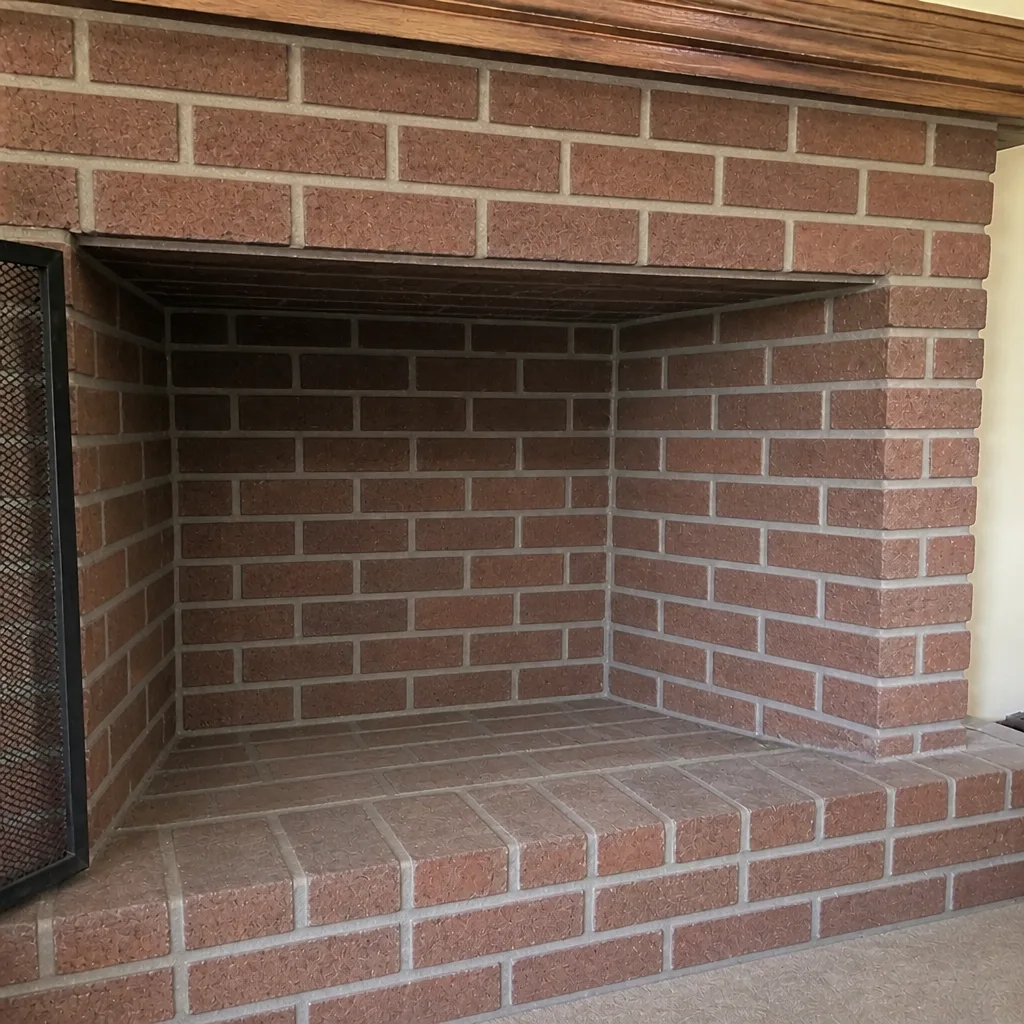
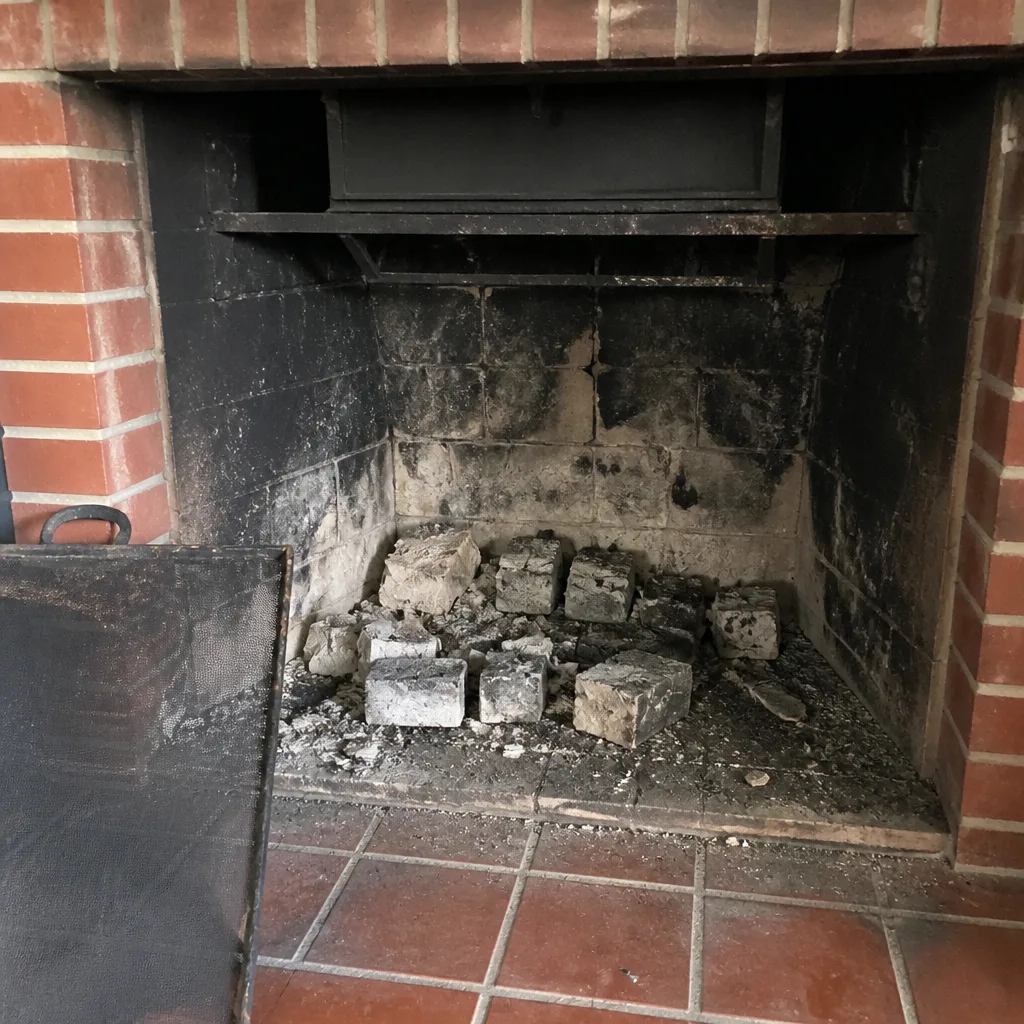
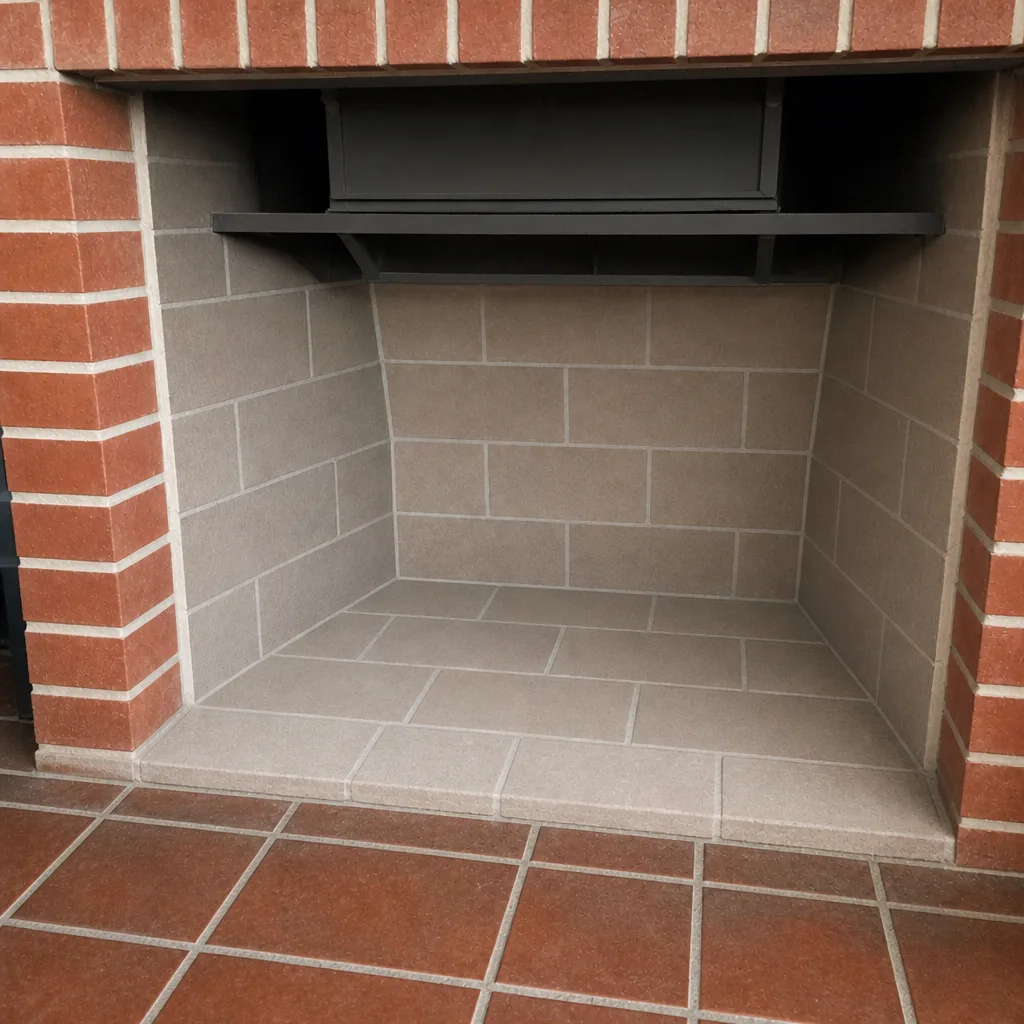
See the difference
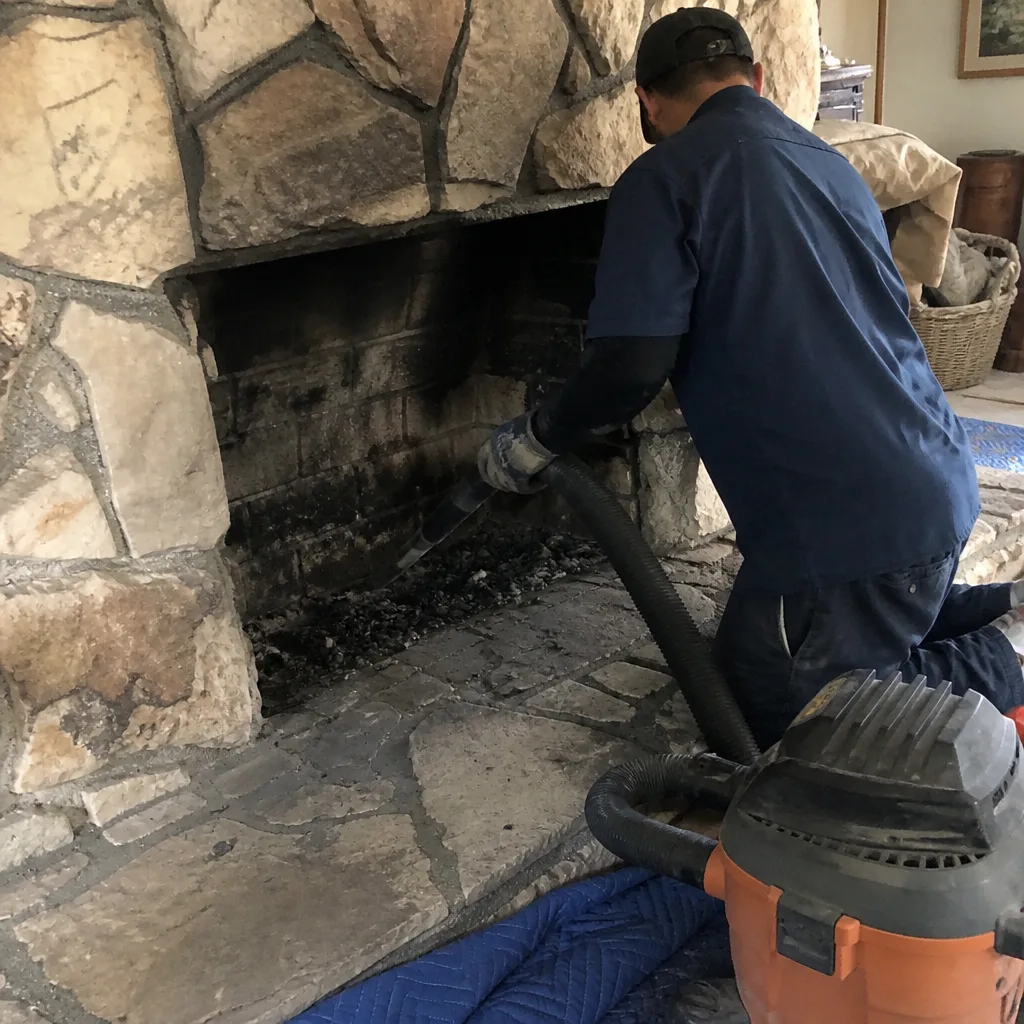 Before
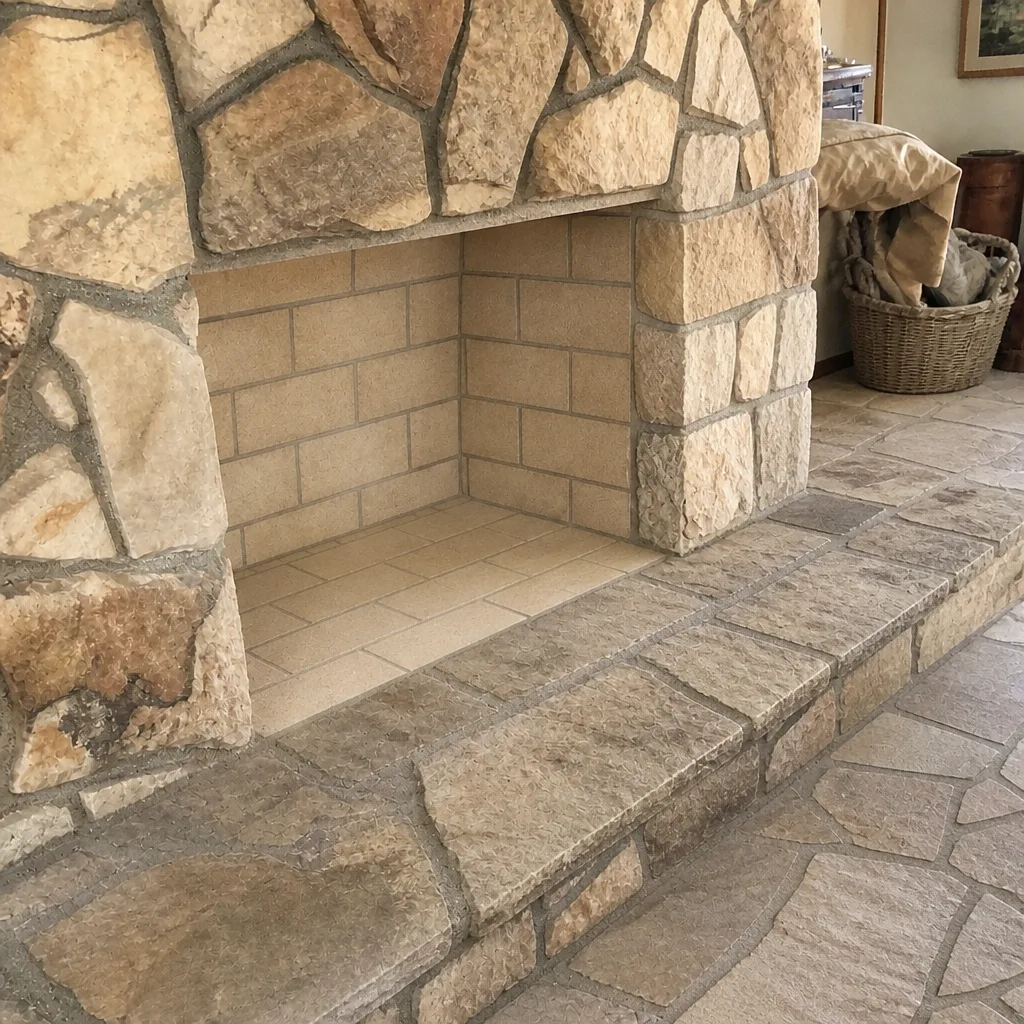 After
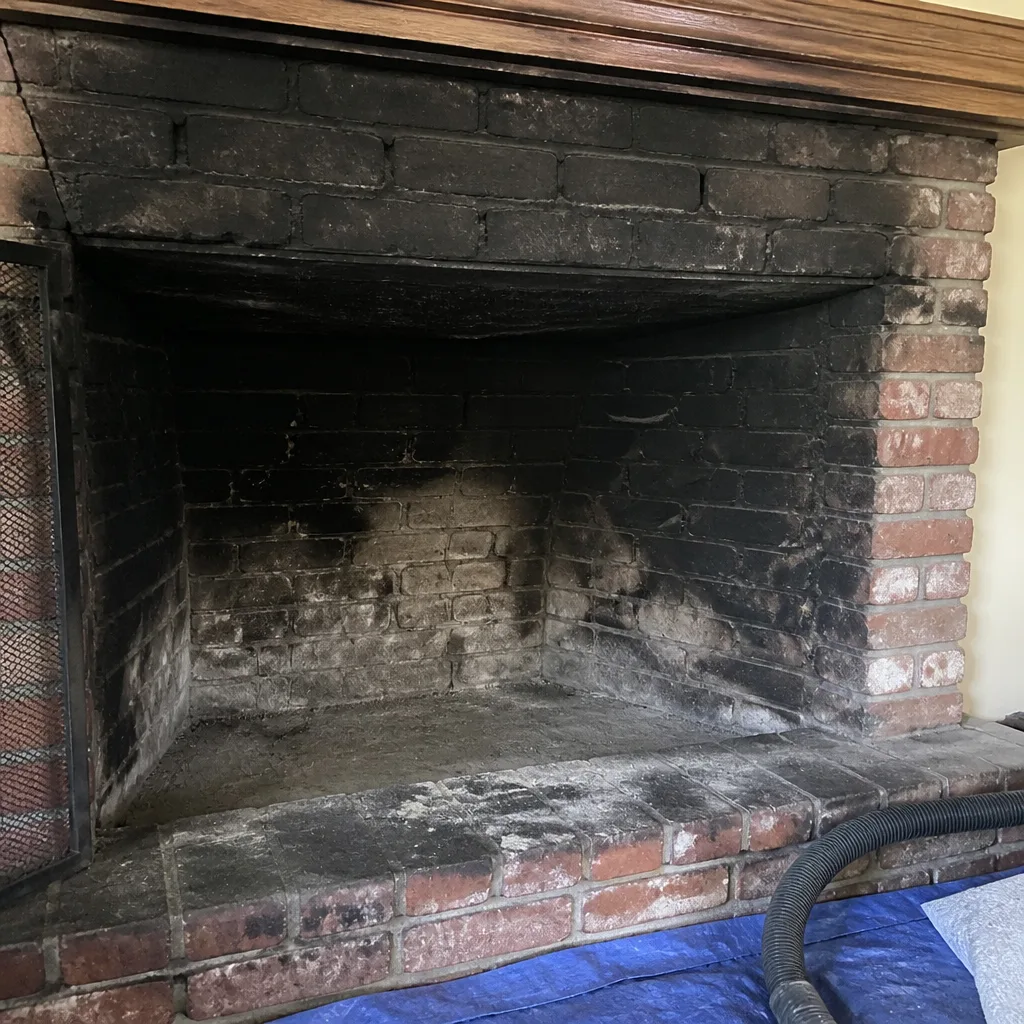 Before
 After
 Before
 After
When to Call a Professional
Some chimney work is genuinely routine, and some of it warrants a trained technician. Call a professional if you’ve noticed smoke rolling into the room when you light a fire, if the firebox has visible cracks or gaps, if the chimney crown is cracked or the cap is missing or damaged, if there’s staining on the chase or the ceiling near the chimney, or if you’ve never had the chimney inspected and don’t have a documented record. Call if you’re within a few years of selling a Placentia home, if the chimney has been through an earthquake you felt strongly, or if a previous owner’s repair history is unclear. This is a system that involves combustion gases and clearances to combustible framing, and the safety caveat is real: a chimney that vents improperly can allow carbon monoxide into the living space, and that’s not a job for a homeowner with a flashlight.
Placentia Chimney Sweep offers free estimates in Placentia. Call (866) 585-7269. We answer 24/7. Fast dispatch from 7am to 7pm, Sunday through Friday.
Frequently Asked Questions
No. Routine chimney cleaning is maintenance and generally doesn’t require a permit from the City of Placentia Building Division. Permits come into play when the work becomes a structural repair, a reline, a rebuild, or any change to the flue that affects code compliance. If your sweep recommends a repair, ask whether that repair requires a permit before you approve it. Call (866) 585-7269 for an exact quote on a cleaning or inspection. Estimates are free.
Estimates are free, and the price for the inspection itself is set per job by a written estimate after we understand your chimney’s condition and what level of inspection you’re asking for. A Level 1 inspection during a routine sweep costs less than a Level 2 camera scan, which is more involved. We put the scope in writing before anything is booked so you know what you’re getting. Call (866) 585-7269 for an exact quote.
Generally, yes. A liner installation changes the flue and is treated as construction rather than maintenance under the California Residential Code. Your local building department makes the final call, and in Placentia that’s the City of Placentia Building Division. A contractor who pulls the permit and closes it out with a final inspection gives you a documented record, which is what you want at resale and if you ever file an insurance claim. Call (866) 585-7269 to talk through your project.
NFPA 211 is the national standard for chimneys, fireplaces, vents, and solid fuel-burning appliances, and California’s residential code incorporates it. It defines the three inspection levels, the criteria for a safe versus unsafe chimney, and the clearance requirements that a Placentia building official will reference. In practice, it’s the reason a documented inspection finding carries weight. When an inspector points to NFPA 211, they’re pointing to a standard, not an opinion. Call (866) 585-7269 to book an inspection.
It can. A buyer’s home inspector looks at the chimney and notes undocumented repairs or missing inspection records, and that becomes a negotiating point. Unpermitted structural work is harder to resolve than a physical defect because the buyer has to accept the compliance risk. If you’re within a few years of selling, a Level 2 inspection and a permit for any corrective work is worth more than the cost in avoided complications. Call (866) 585-7269 for a free estimate.
A sweep cleans the flue and firebox. An inspection evaluates the condition of the chimney system and documents findings at one of three levels defined by NFPA 211. They’re often done together, and that’s usually the right approach: the sweep clears the flue so the inspector can see it, and the inspection tells you what the flue actually looks like. If you only book one, book the inspection and ask whether a sweep should be combined with it. Call (866) 585-7269 to schedule.
It depends on scope. A like-for-like cap replacement is generally maintenance. A crown rebuild, especially one that changes the structure or reaches the top of the chimney, is more likely to require a permit from the City of Placentia Building Division. The crown is the chimney’s first line of defense against water damage, so it’s worth addressing either way. A technician can tell you within a few minutes of looking at it. Call (866) 585-7269 for a free estimate.
The Bottom Line
Chimney cleaning in Placentia is permit-free, routine, and worth doing on schedule. The permit question starts when a cleaning turns up a repair, and the answer depends on whether the work changes the flue or the chimney structure. California Residential Code Section R1003 and NFPA 211 are the standards a building official will reference, and documentation is your protection whether or not a permit is required. Ask for the inspection level, the findings in writing, the product brand and model used, and the permit number if one was pulled. Keep the record. It matters at resale, at insurance claim time, and when a Placentia building official asks a question. If you want a clean, code-compliant flue and a documented paper trail behind it, our technicians have up to 14 years of experience and use trade-standard materials like DuraFlex liners and HeatShield ceramic resurfacing. Placentia Chimney Sweep offers free estimates in Placentia: call (866) 585-7269. We answer 24/7. Fast dispatch from 7am to 7pm, Sunday through Friday.
Written by the team at Placentia Chimney Sweep.