
Last updated November 25, 2026
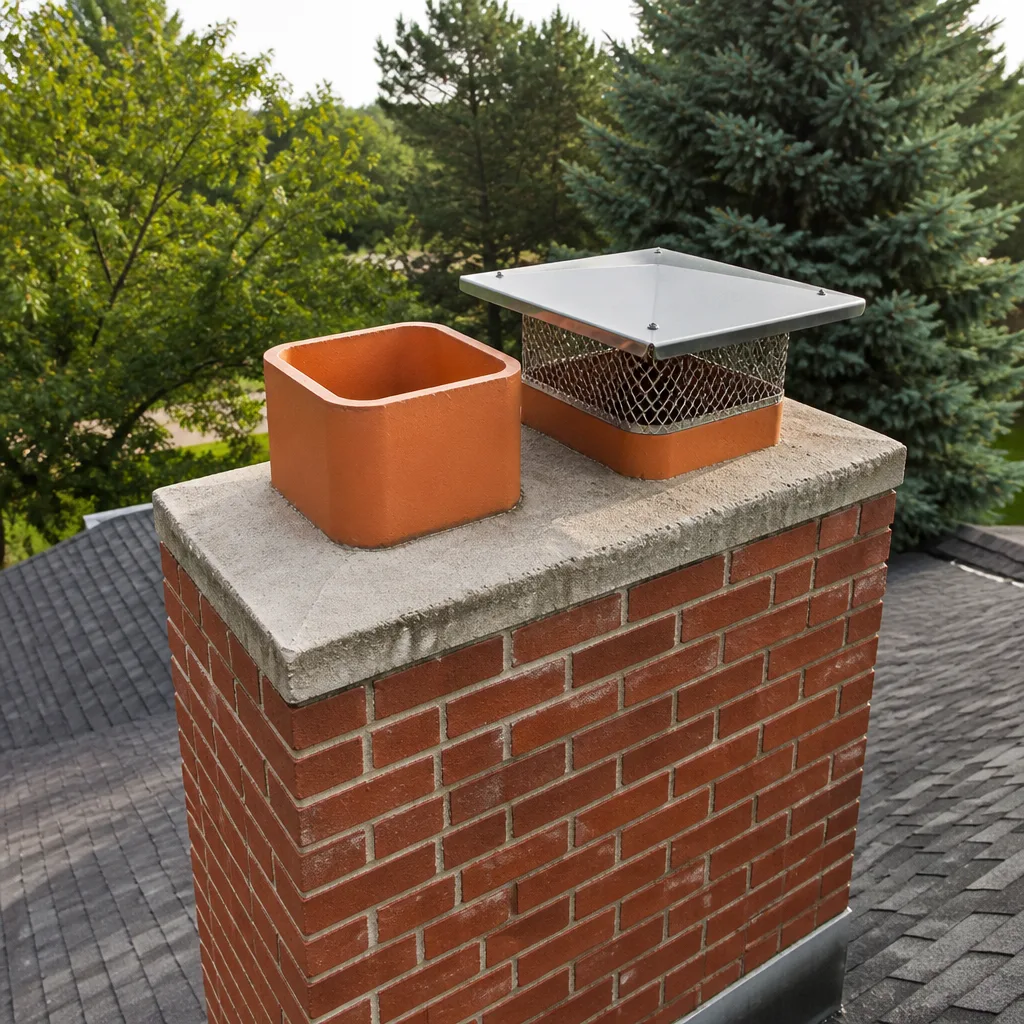 Sweep & inspection
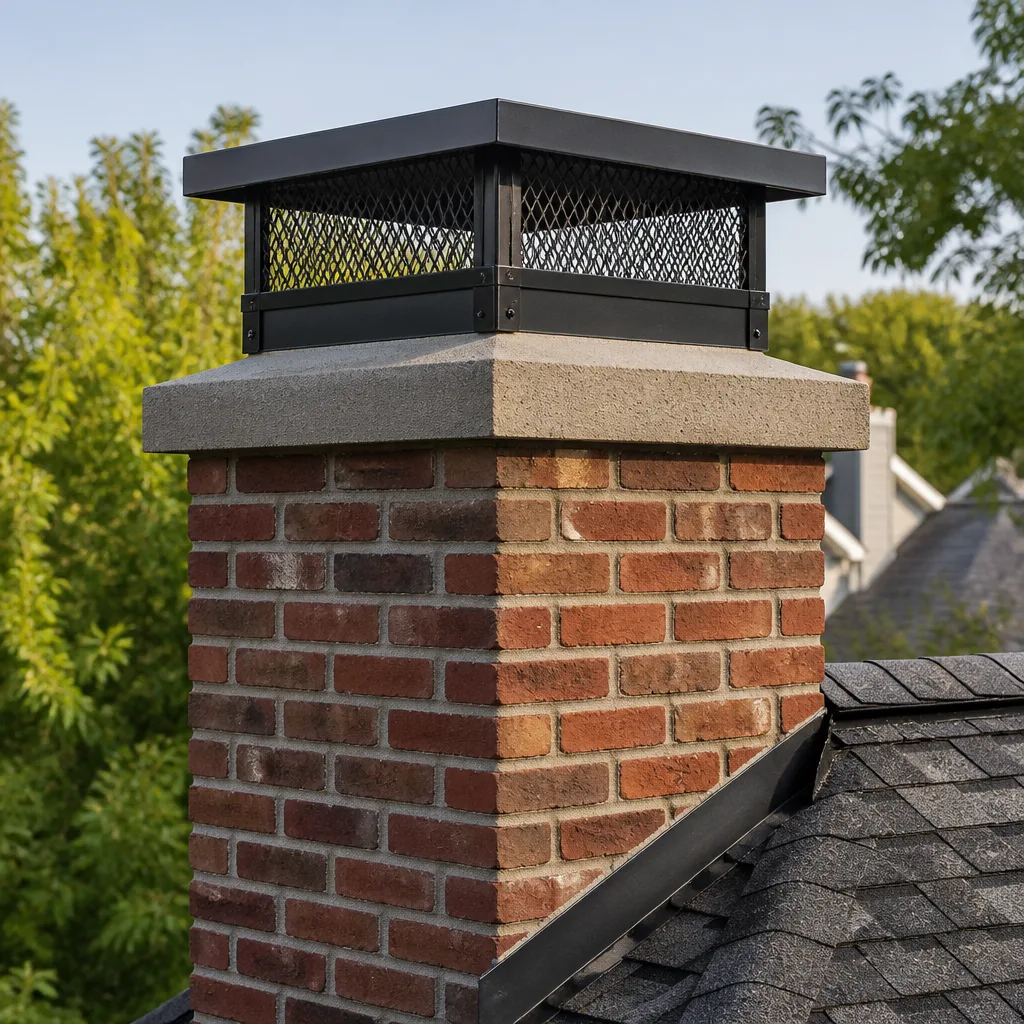 Caps & crowns
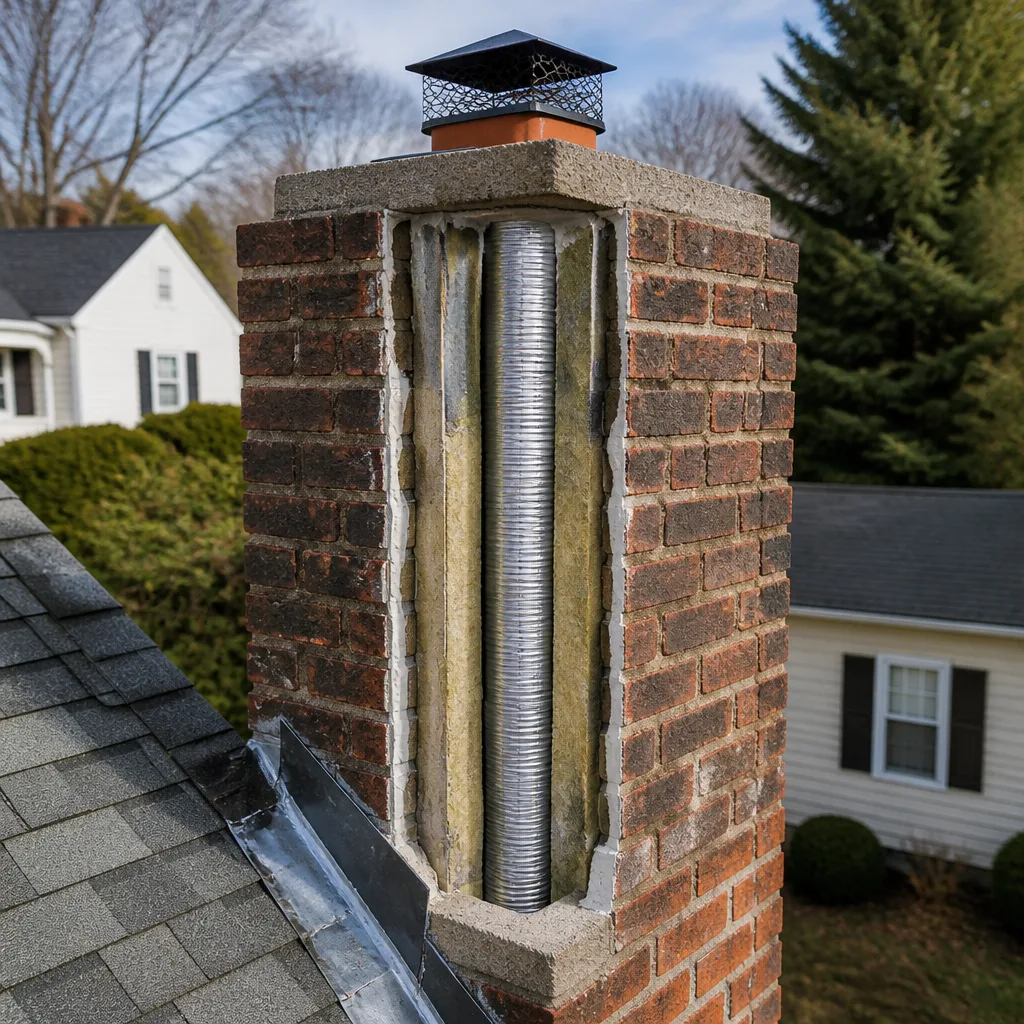 Flue relining
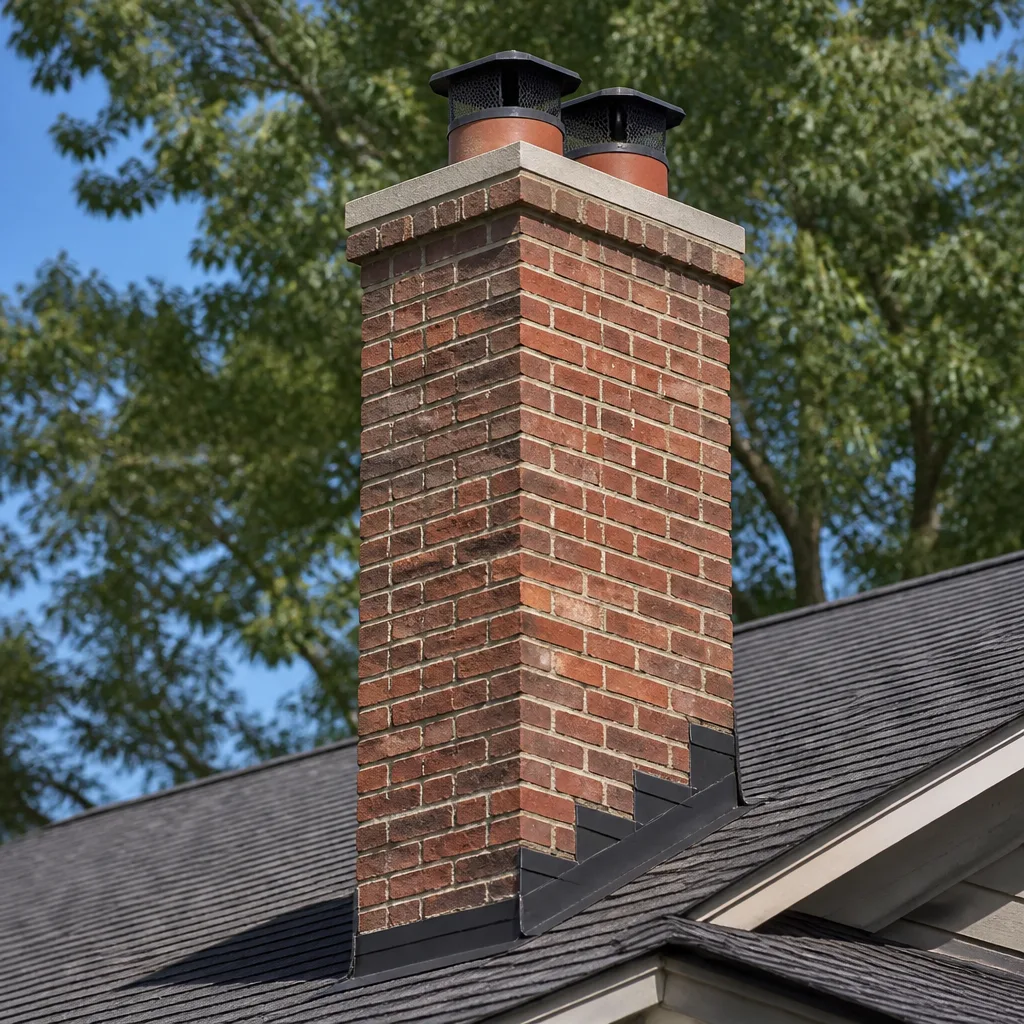 Masonry repair
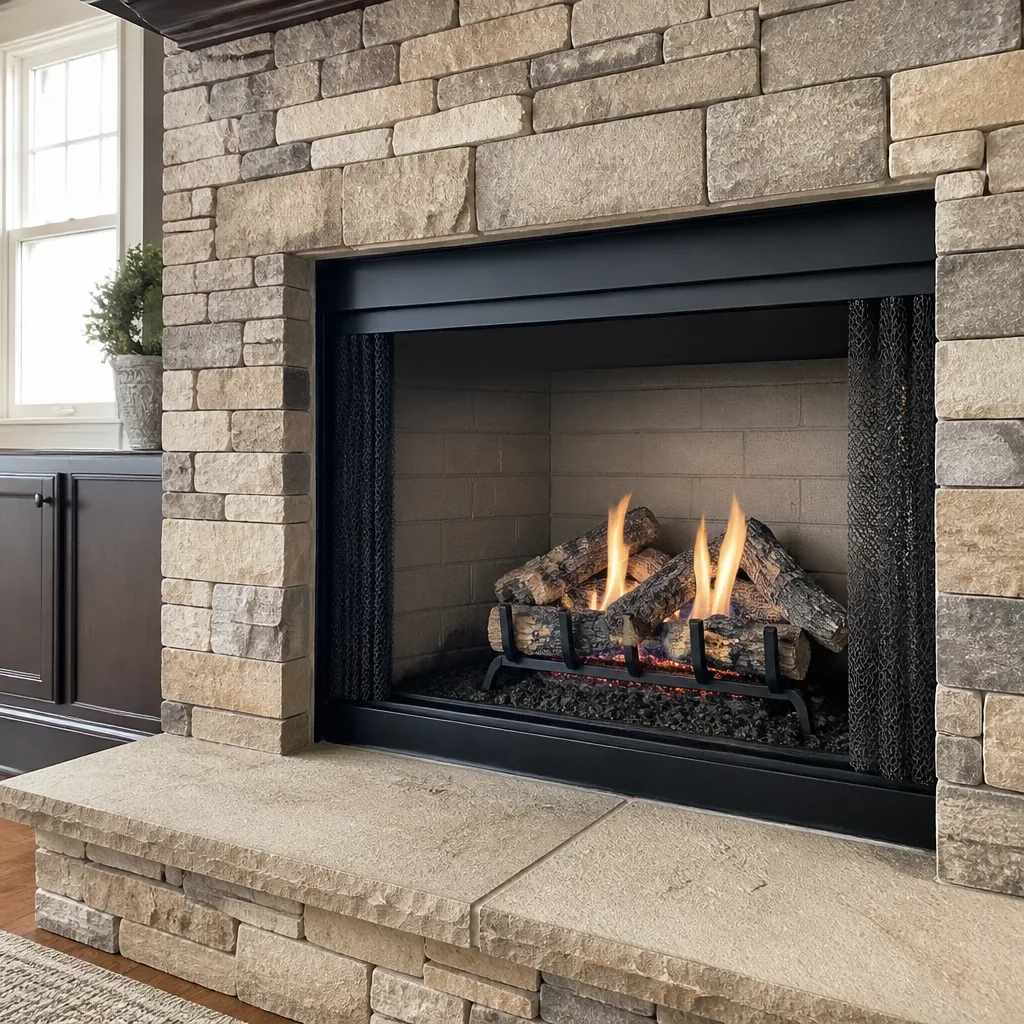 Gas fireplace service
Level 1 sweep and inspection to the NFPA 211 annual standard - flue, crown, cap, and flashing checked and photographed
Chimney sweep logs do not sweep chimneys. They loosen some creosote - which then falls where a brush and vacuum still have to collect it.
Chimney Sweep Maintenance Checklist for Placentia Homeowners
Generic chimney checklists tell you to “inspect the flashing” and call it a day. That advice was written for snowy climates with steep asphalt roofs, and it misses most of what actually goes wrong on a Placentia chimney. Here, the damage is usually done in September, not January: months of dry heat bake the mortar and crown until hairline cracks open, then the first rain finds them. A checklist built for Placentia has to account for tile roofs, long dry summers, and a short but intense burn season. Below we lay out a season-by-season maintenance routine you can actually run, plus the ground-level benchmarks that tell you when to stop looking and call a pro.
Quick Answer
A working Placentia chimney maintenance routine has four parts: a pre-season inspection and sweep before your first fall fire, a mid-season visual check of the firebox and cap, a post-season moisture assessment in spring, and a written log of every visit. Most homeowners need a professional sweep and inspection once a year, and cap or crown repairs whenever the inspection shows cracking or missing components.
Styles & brands we work with
- Sweep & inspection
- Caps & crowns
- Flue relining
- Masonry repair
- Gas fireplace service
Table of Contents
- Why a Placentia Chimney Ages Differently
- The Pre-Season Checklist: What to Do Before the First Fire
- Post-Season Tasks Most Homeowners Skip
- Ground-Level Checks vs. Roof-Level Work
- What to Log Every Season (And Why It Matters)
- Material-Specific Maintenance Notes
- Creosote, Draft, and the Short Burn Season
- Building Your Annual Calendar
Why a Placentia Chimney Ages Differently
Placentia sits in a Mediterranean-dry climate: hot, rainless summers, mild winters, and a fire season that typically runs from late fall into early spring. That pattern creates two distinct failure modes on a chimney, and they require different fixes.
The first is heat fatigue. A masonry crown, the concrete cap that sheds water off the top of the chase, expands and contracts through months of 90-degree-plus days. Over several seasons, that movement produces hairline cracks. They look trivial from the ground, but each one is a channel for water. Mortar joints on the chimney stack behave the same way: they dry out, shrink slightly, and open. After a dry Placentia summer, you’ll often see mortar that looks chalky and recessed rather than crumbly and wet. That’s heat-driven, and repointing is usually the fix.
The second is moisture-driven failure, which shows up after the rainy season. Mortar in that case looks soft, dark, and sometimes sandy, and you may see white efflorescence staining on the chase. That’s water working through the masonry and pushing salts to the surface. The fix there isn’t just repointing – you need to find where the water is getting in, which is almost always the crown, the cap, or the flashing.
The distinction matters because the wrong repair fails fast. Repointing a moisture-saturated joint without addressing the crown is like painting over a leak. Our chimney repair work starts by identifying which failure mode you’re looking at.
The Pre-Season Checklist: What to Do Before the First Fire
In Placentia, pre-season work belongs in October, before your first fire of the year. Here is the sequence we recommend:
- Book a professional sweep and inspection. Ideally before the first cool evening. Sweeps fill up quickly in late October, and putting this off is the single most common reason homeowners end up burning into a dirty flue.
- Check your firebox for last season’s ash buildup. A thin bed of ash is fine; an inch or more of compacted ash insulates the fire and reduces draft.
- Look at the damper. It should open and close smoothly and seal reasonably well. A damper stuck open in the off-season lets conditioned air escape; one stuck closed can fill your room with smoke.
- Inspect the firebox walls for cracks or missing mortar. Hairline surface cracks in firebrick are usually cosmetic; gaps wider than a credit card or missing mortar joints are not.
- From the ground, check the chimney cap and crown. See the ground-level section below for exactly what to look for.
- Confirm your smoke and carbon monoxide detectors work. A wood-burning fireplace produces carbon monoxide; a working detector is non-negotiable.
- Clear the hearth area. Nothing combustible within three feet of the firebox opening.
One caution specific to Placentia: if your chimney hasn’t been swept in more than a year, don’t assume the sweep visit is just a cleaning. It’s the inspection that tells you whether the flue is safe to use. Those are two different things, and the second one is the important one.
Post-Season Tasks Most Homeowners Skip
Spring is the season nobody thinks about the chimney, and that’s exactly why the biggest problems start there. Once you stop burning, the firebox sits unused for months, and in Placentia that means weeks of rain followed by dry heat.
If you leave ash and soot sitting in a firebox through the rainy season, you’re giving moisture something to cling to. Soot is hygroscopic – it pulls water out of the air. That trapped moisture works its way into the firebrick and mortar joints, and over a few years it produces spalling: the brick face flakes and pits away. Spalling firebrick doesn’t just look bad; it changes how heat distributes through the firebox wall.
Post-season tasks to add to your spring routine:
- Sweep out the firebox and ash pit thoroughly. This is the one most-skipped task and the one that prevents the most long-term damage.
- Check the damper and leave it slightly cracked. In Placentia’s dry summer air, a fully sealed damper can trap humid spring air inside the firebox with nowhere to go. A small gap lets it breathe.
- Close or cap the flue if you have a top-sealing damper. It keeps out rain, birds, and debris during the off-season.
- Inspect the crown after the last rain. Spring is when new cracks show up most clearly, because the water that found them leaves visible staining.
- Look up into the firebox from below with a flashlight. You can see the underside of a damaged damper frame or a piece of dislodged mortar from the damper housing. If you see anything loose or displaced, don’t use the fireplace until a professional looks at it.
Doing these six things takes an hour and buys you years of firebox life. Spring is also when you can book a maintenance sweep without the October rush.
Ground-Level Checks vs. Roof-Level Work
One of the most useful distinctions in chimney maintenance is between what you can safely assess from the ground and what genuinely requires a trained technician on the roof. Knowing the difference keeps you out of danger and helps you describe the problem accurately when you call.
What you can inspect from the ground
- The crown. Look for visible cracks, missing chunks, or a gap between the crown and the flue tile. A crown in good shape looks solid, slightly sloped, and continuous around the flue.
- The cap. It should cover the flue opening with mesh or a solid top, and it should be firmly attached. A cap that’s loose, rusted through, or missing is a problem regardless of whether you can see water damage yet.
- Mortar joints on the stack. Look for joints that look recessed (heat-driven erosion) or dark and sandy (moisture-driven). Note which you see.
- Staining on the chase. Dark vertical streaks usually mean water is running down the outside; white efflorescence means it’s coming through the masonry.
- The chimney’s vertical alignment. A lean is a structural issue and warrants a call, not a wait.
What requires a professional on the roof
- The flue interior. Creosote buildup, cracked flue tiles, and gaping joints can’t be seen from the ground.
- Flashings where the chimney meets the roof. The step flashing, counter-flashing, and any sealant joints. Failing flashing is the classic source of water intrusion in Placentia’s tile roofs.
- The top plate and flue crown at the very top. This is fine detail work that needs to be done from above.
- The chimney cap and crown for installation or repair. Cap and crown work is done at height and needs proper attachment to the flue tile and chase, not just a drop-in filter.
Our Placentia Chimney Sweep inspections include a camera up the flue and a documented photo report, so you can see exactly what we saw. That’s the accountability piece that matters most – you shouldn’t have to take a stranger’s word about thousands of dollars in work.
What to Log Every Season (And Why It Matters)
Most homeowners never keep a chimney maintenance record, and that’s a quiet problem. Your chimney log is your defense if a chimney fire or water-damage claim ever comes up, and it’s also the fastest way to spot a slow-developing problem.
Record this for each season:
- Date of the most recent sweep and inspection.
- What the inspection found. Note visible cracks, creosote level, cap condition, crown condition – in plain language, not technical terms.
- What work was recommended and what was actually done. “Recommended crown sealing; not done this year” is exactly the kind of thing that matters two seasons later.
- Photos of the crown, cap, and chase from the ground. Take them in the same spot every year and keep them together. A slow-growing crack is obvious in a photo series and invisible in a single shot.
- Whether the fireplace was used, and roughly how often. Wood-burning frequency drives sweep intervals.
- Any chimney fire. Even a small one, even if you didn’t call the fire department. Log the date and whether the flue has been inspected since.
Why does this matter for insurance? Most homeowner policies cover chimney fires and resulting damage only if a reasonable maintenance routine was in place. A clean log with dates and findings shows a pattern of care. An empty history shows the opposite. Keep the log in a fireproof place or back it up digitally.
We leave a written report with every inspection and a photo set you can keep – that’s one of the reasons we treat the inspection as a documented event rather than a verbal one.
Material-Specific Maintenance Notes
Not every chimney system ages at the same rate, and the maintenance interval depends on what’s actually inside your flue. Here’s how to think about the materials you’re likely to find on a Placentia home.
Stainless steel flexible liners
Stainless flexible liner systems, like those from DuraFlex, are built for long service life. Annual inspection is still the right interval, but the inspection is looking for something specific: whether the liner’s connections at the top and bottom are still tight and whether the inner wall shows soot buildup that suggests poor draft. Because they’re corrosion-resistant, they handle Placentia’s dry-to-rainy swing well.
HeatShield ceramic resurfacing
If your flue has been resurfaced with HeatShield ceramic flue repair to extend a cracked or spalling clay tile line, the maintenance interval is annual. The resurfacing becomes a working part of the flue, and the inspection checks for adhesion failure, cracking, or wear at the transition points. HeatShield is a repair material, not a replacement liner; if the underlying flue was already too compromised for resurfacing, you’d have a liner instead, and the maintenance interval would be the same but the inspection focus would shift.
Chimney caps and crowns
These are the components that take the sun and weather directly. Cap brands from Olympia Chimney and similar trade brands tend to hold up, but the attachment points – where the cap is fastened to the flue tile – are what you’re checking. A cap that’s still installed but slightly loose will vibrate in wind and eventually open a gap. Crowns, whether cast or poured, want an annual look for new cracking.
Firebrick and mortar
Firebrick in the firebox is a “look annually, repair when needed” component. Mortar joints on the exterior stack are the same. Because Placentia’s failure modes are heat and moisture rather than freeze-thaw, most mortar issues here are addressable with repointing rather than rebuild – but only if found early.
Whatever your system, we can tell you at inspection what’s inside your flue and what interval applies. That’s part of why we source from the same trade supply brands professional chimney contractors use, including Gelco and Olympia Chimney components.
Creosote, Draft, and the Short Burn Season
Placentia’s short fire season changes how creosote forms. When you burn for months straight in a cold climate, you get a steady creosote profile. In a Mediterranean climate, most households burn sporadically: a few times in December, a bit more in January, then off. Sporadic burning is actually harder on a flue in one specific way – a cold flue that’s heated quickly produces more creosote condensation in the smoke as it cools at the top, and infrequent use means more cold starts.
What creosote does: it’s the residue of incomplete combustion. It builds in three stages, from a powdery soot to a glazed tar-like deposit. Glazed creosote is the hardest to remove and the most flammable. The specific risk with glazed creosote is a chimney fire in the flue, which is why a sweep interval shorter than the manufacturers’ guideline is sometimes appropriate for a household that burns a lot of resinous wood or damps the fire down.
Practices that reduce creosote buildup
- Burn seasoned wood. Split wood that’s been air-dried for a full season, ideally split and stacked in Placentia’s dry summer for at least six months.
- Don’t damper down a fire to extend it. A smoldering fire produces far more creosote than a hot fire.
- Keep the fire hot and short. A 30-minute hot fire moves more creosote out of the flue than a four-hour slow burn.
- Don’t burn construction scraps or pallet wood. The heat content varies wildly and some are treated.
- Watch your draft. If smoke rolls back into the room, the flue isn’t drafting properly, and you have either an obstruction, an undersized flue, or an air-supply problem.
When to sweep
The trade rule of thumb is to sweep when the flue has an eighth-inch of soot or creosote buildup. If you burn regularly, that’s roughly once a year. If you burn occasionally, you may go a couple of years – but the inspection still needs to happen annually, because the visual check is what triggers the sweep, not the calendar.
Building Your Annual Calendar
Here’s a simple twelve-month routine that fits Placentia’s climate. Print it, stick it to the fridge, and run it.
- September: Do your ground-level crown and cap inspection. Note any cracks or loose components. Start booking your sweep.
- October: Sweep and inspection. Confirm the flue is clean and code-compliant before the first fire.
- November – February: Burn season. Mid-season visual check of the firebox, damper, and hearth every few weeks.
- March: Empty and clean the firebox thoroughly. If you had the chimney swept late, the sweep report should already be in your log.
- April: Post-rain inspection of the crown and chase. Look for new staining and note it against last year’s photos.
- May – August: Nothing chimney-related except the annual maintenance record. This is also a good window to schedule cap or crown work, since it doesn’t require the fireplace to be in use.
Two or three visits a decade combine the pre-season sweep and inspection with a cap and crown check, and one pass addressing any fireplace repair the inspection turns up. Everything else is visual and takes minutes. Chimney sweep scheduling should land in October; fireplace repair can happen any time of year and doesn’t need to wait for the burn season.
Common Mistakes to Avoid
- Skipping the inspection because the chimney “looks fine.” From the ground, a full flue of glazed creosote looks exactly like a clean flue. The interior is what matters, and the interior is what requires an inspection.
- Waiting until the first cold snap to book. In Placentia, the first cold weekend fills every sweep’s schedule. Book in September or early October and you’ll get a same-week slot instead of a late-November one.
- Repointing without addressing the crown. Heat cracks and moisture cracks need different repairs, but both start at the top. Repointing alone without fixing the crown just sends the water down the same channel.
- Assuming a chimney cap is optional. It isn’t. The cap keeps rain, birds, and debris out of the flue and is cheap insurance against a much larger repair.
- Using caulk and a bucket for a crown crack. A patched crown with roof cement over a hairline crack usually pops off within a season. Crown repair that lasts is poured or cast properly.
- Leaving a firebox damp through the off-season. Ash left in a firebox through Placentia’s spring is the most common accelerator of firebox spalling we see.
- Treating a chimney fire as a “close call.” Even a small chimney fire damages the flue. An inspection after any chimney fire is not optional.
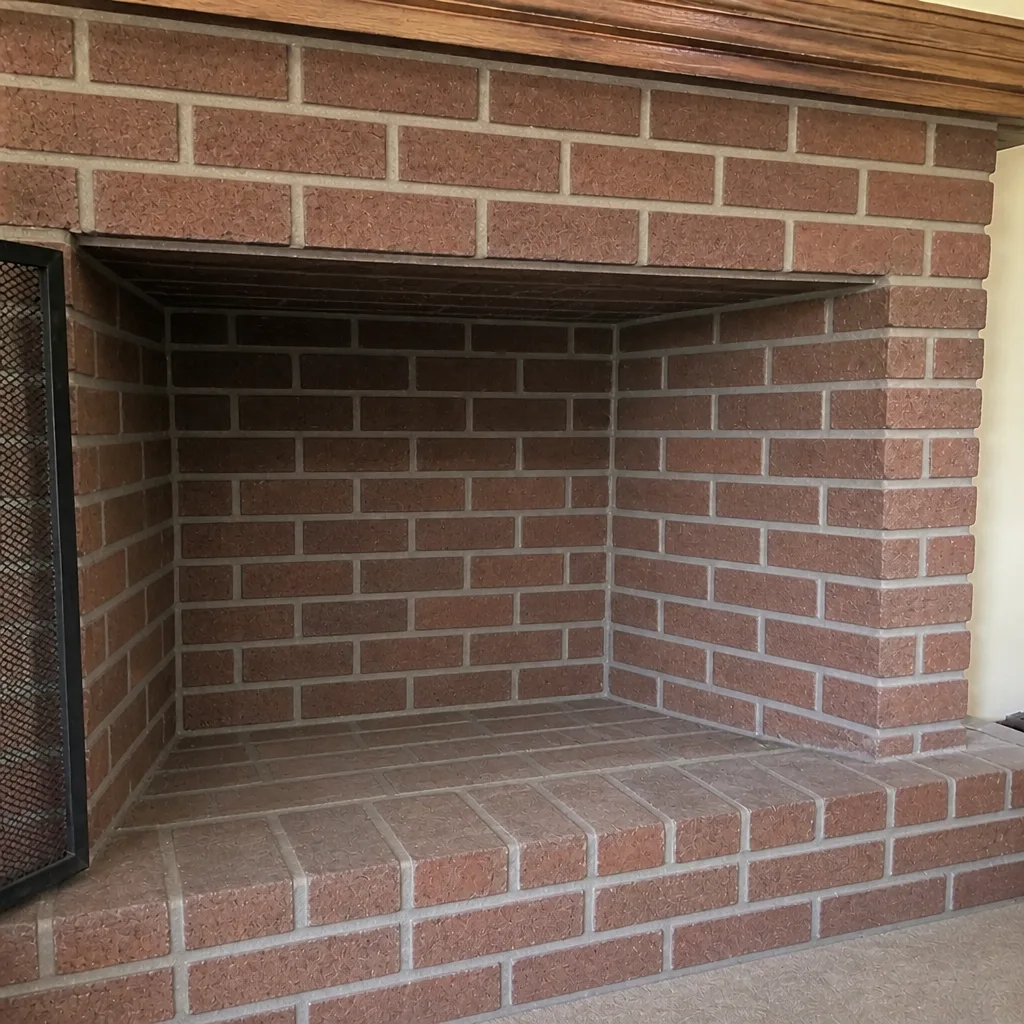
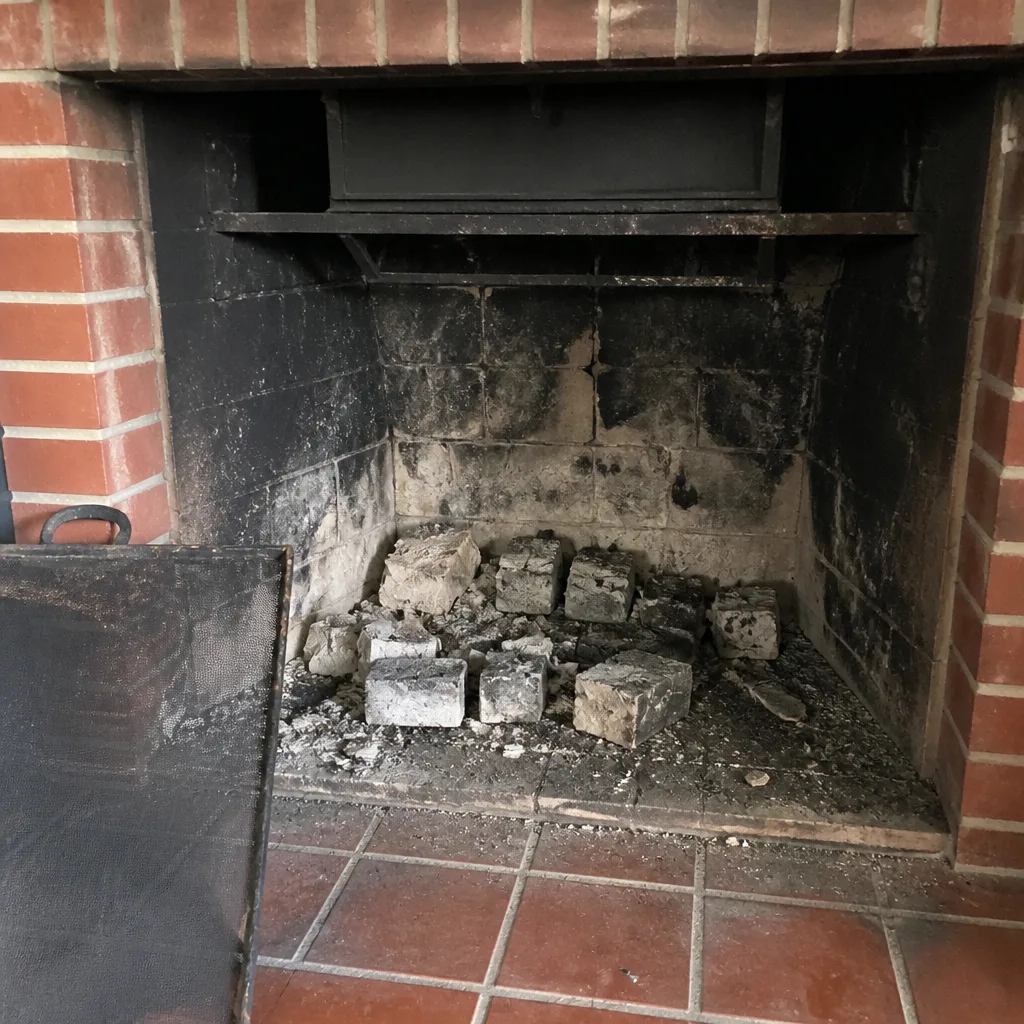
See the difference
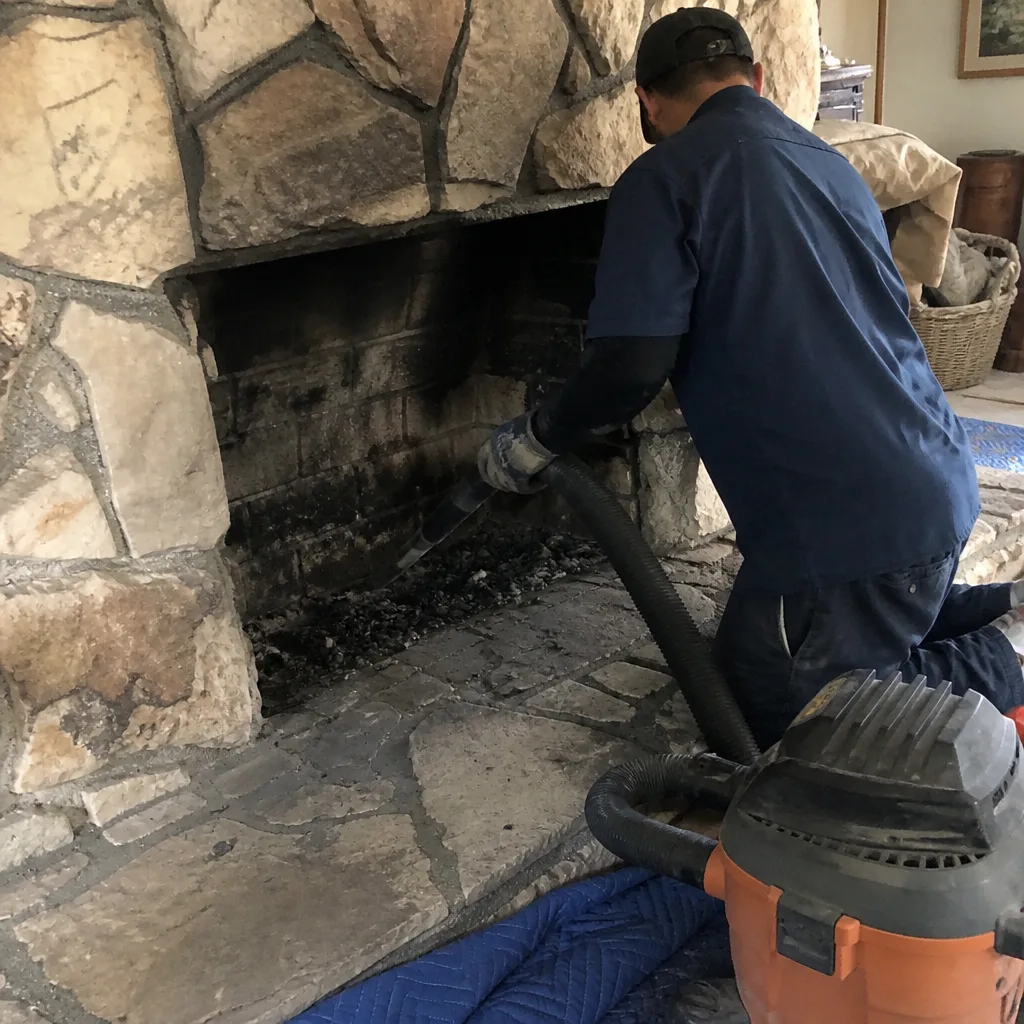 Before
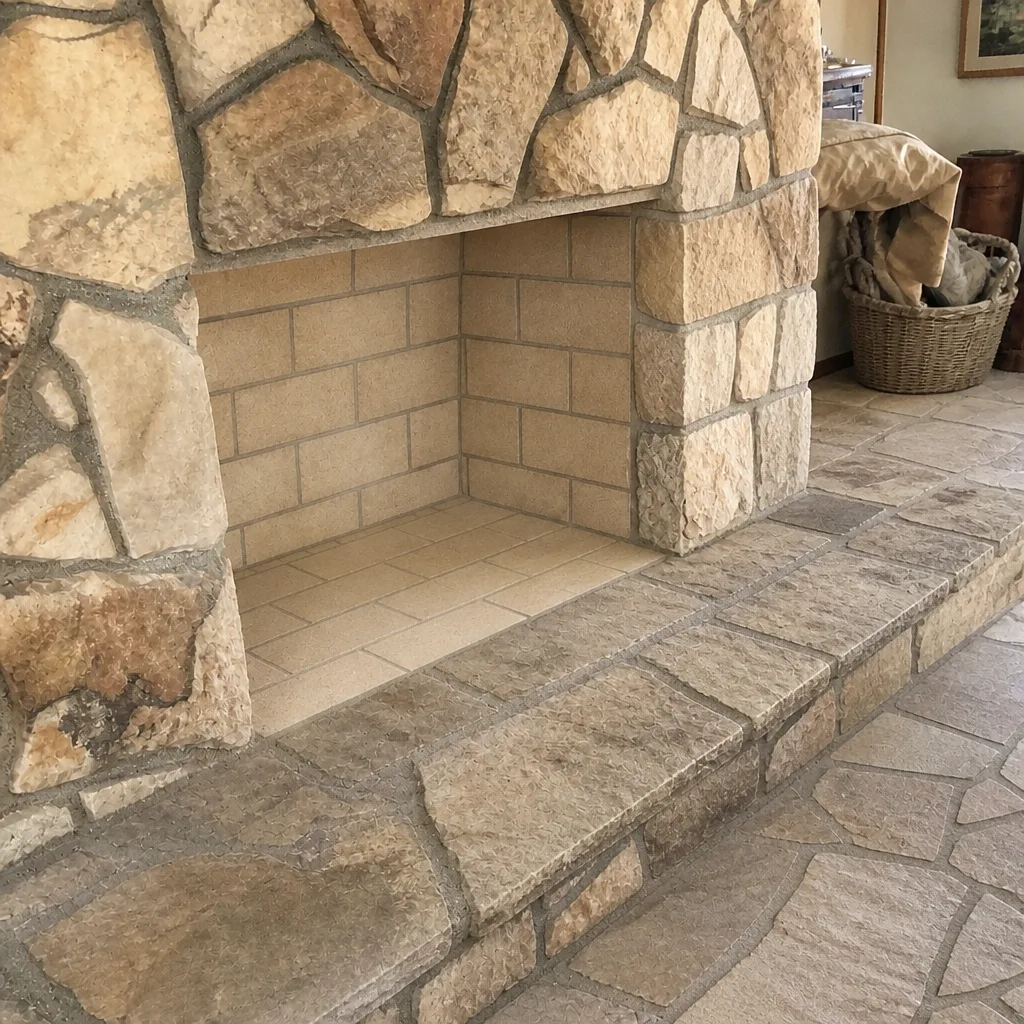 After
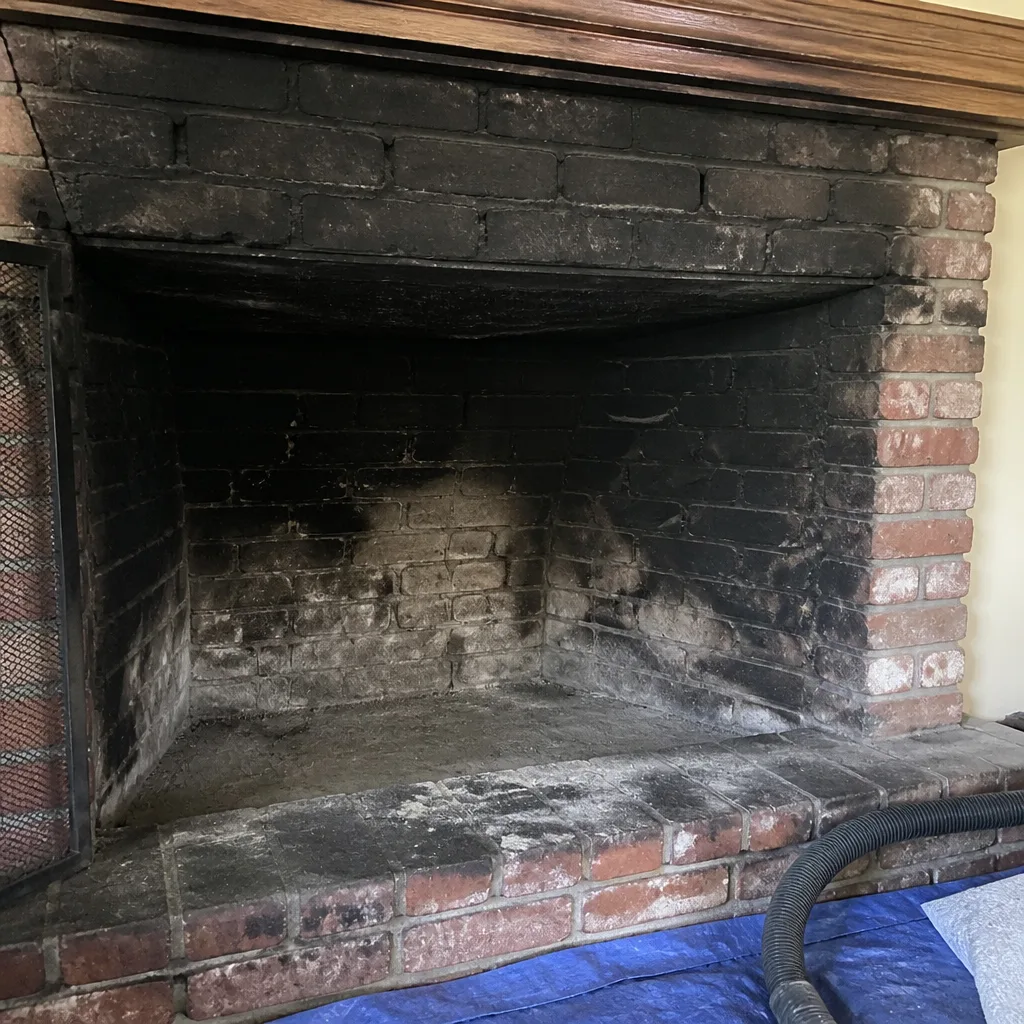 Before
 After
 Before
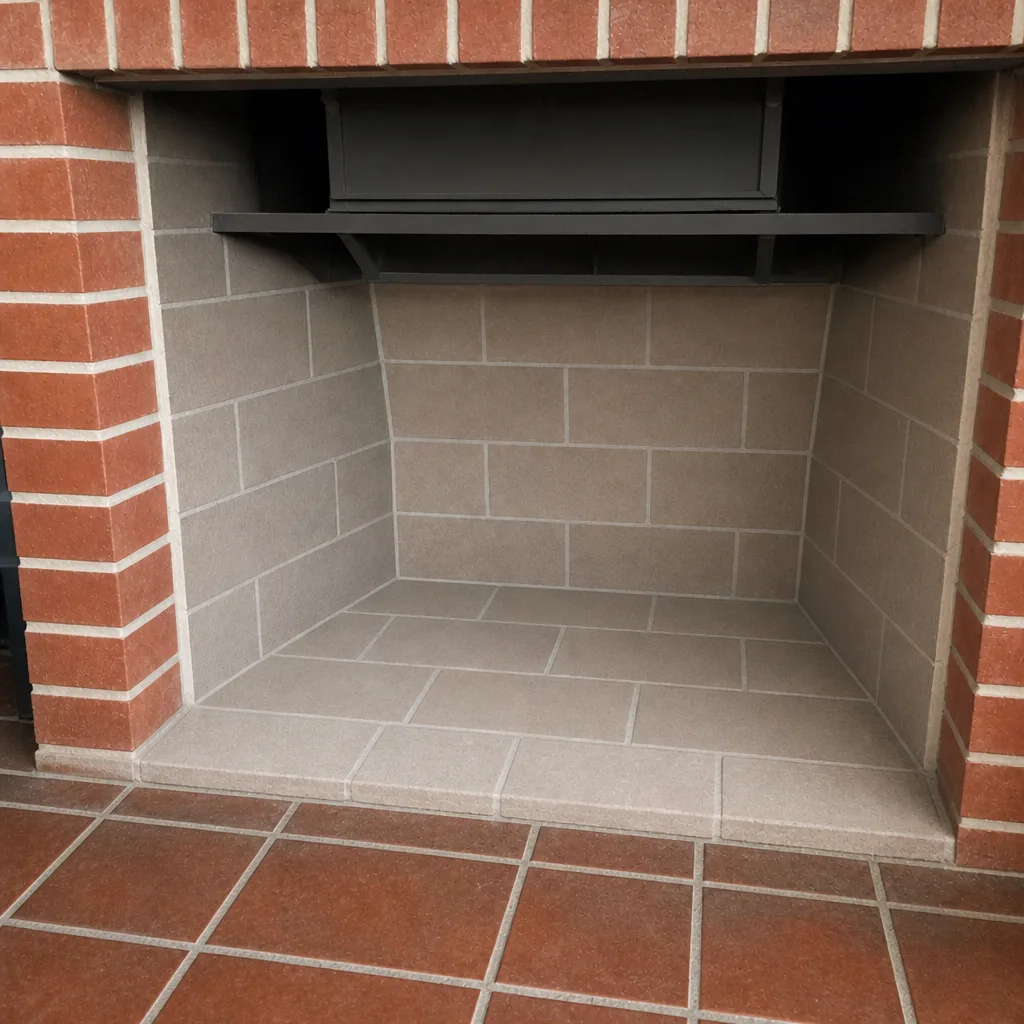 After
When to Call a Professional
Call when any of these apply: you haven’t had the chimney inspected in over a year; you see cracking on the crown or missing chunks of mortar on the stack; the cap is loose, missing, or rusted through; you see staining on the chase; smoke comes into the room when you burn; you smell a strong creosote odor; you’ve had a chimney fire; you’re buying or selling a Placentia home with a wood-burning fireplace; or the flue has never been inspected since you moved in. Any of these is reason enough. Don’t wait to see if it “gets worse” – start with an inspection and a written report. Placentia Chimney Sweep offers free estimates in Placentia – call (866) 585-7269. We answer 24/7. Fast dispatch from 7am to 7pm, Sunday through Friday.
Frequently Asked Questions
Once a year if you burn regularly, and every two to three years if you burn only occasionally – but the inspection should happen annually regardless, because the inspection is what tells you whether a sweep is needed. In Placentia’s short burn season, many households fall into the occasional-burner category and can stretch the sweep interval, as long as the flue is inspected each year. Call (866) 585-7269 to book an inspection and we’ll tell you what your flue actually needs.
The written estimate sets the final price, so we can’t give you a firm number before inspection, but you can expect the price to reflect the size of the flue, the amount of buildup, and whether any cap or crown work is bundled in. Sweeping is typically the smallest line item in a chimney maintenance visit. Call (866) 585-7269 for an exact quote – estimates are free.
Not usually. Most flues that get recommended for “relining” turn out to be candidates for less invasive repair, including ceramic resurfacing with HeatShield if the underlying clay tile is intact enough. That’s the option many sweep-only operators can’t perform. The recommendation should always be backed by camera evidence you can see for yourself, and if the flue is safe to use as-is, you’ll be told that too.
The two outcomes are creosote buildup and water damage, and they’re both slow until they aren’t. Creosote builds quietly until it reaches a flammable stage, at which point a chimney fire becomes possible. Water damage progresses through the crown and cap and eventually into the chase and firebox. Neither is an emergency today, but neither gets better on its own. Call (866) 585-7269 and we’ll tell you honestly whether work can wait.
Yes. Placentia’s dry season is real, but the rainy season is real too, and a cap protects the flue from rain, birds, and debris year-round. Most water damage we see in Placentia starts at the top of the chimney, not the bottom. A cap is protection, not an add-on. Call (866) 585-7269 to have yours checked.
You can, and some homeowners do it safely with the right brush and rods. But home brushing doesn’t replace an inspection – the flue’s interior condition, connection points, and any glazed creosote deposit are what determine whether the chimney is safe, and those require a camera and a trained eye. For anything involving the roof, the cap, or the crown, hire a professional. Call (866) 585-7269 for an inspection.
A standard sweep and inspection typically takes one to two hours, depending on the flue size, the buildup, and whether cap or crown work is needed. You’ll leave the visit with a written report and photos of what we found.
The Bottom Line
A chimney maintenance routine built for Placentia has to reflect Placentia’s climate, not a national template. That means pre-season crown and cap checks in September, an October sweep before the first fire, a spring firebox clean that most homeowners skip, and a written log of every visit. The whole routine takes an hour of your time per season and a professional inspection once a year. Everything else – the cap, the crown, the firebox, the flue – benefits from being looked at, documented, and addressed early. If you’ve skipped a year or two, don’t panic. Start with an inspection and see where you actually stand.
Placentia Chimney Sweep offers free estimates in Placentia. Call (866) 585-7269 for your free estimate. We answer 24/7. Fast dispatch from 7am to 7pm, Sunday through Friday. Our technicians have up to 14 years of experience, and we work with trade-grade materials from DuraFlex, HeatShield, Gelco, Olympia Chimney, Famco, and Copperfield. The local pro we connect you with is licensed and insured as their state requires, and every job is set per the written estimate agreed before booking. Camera inspection and a photo report are included, along with our satisfaction guarantee.
Written by the team at Placentia Chimney Sweep.