
Last updated November 25, 2026
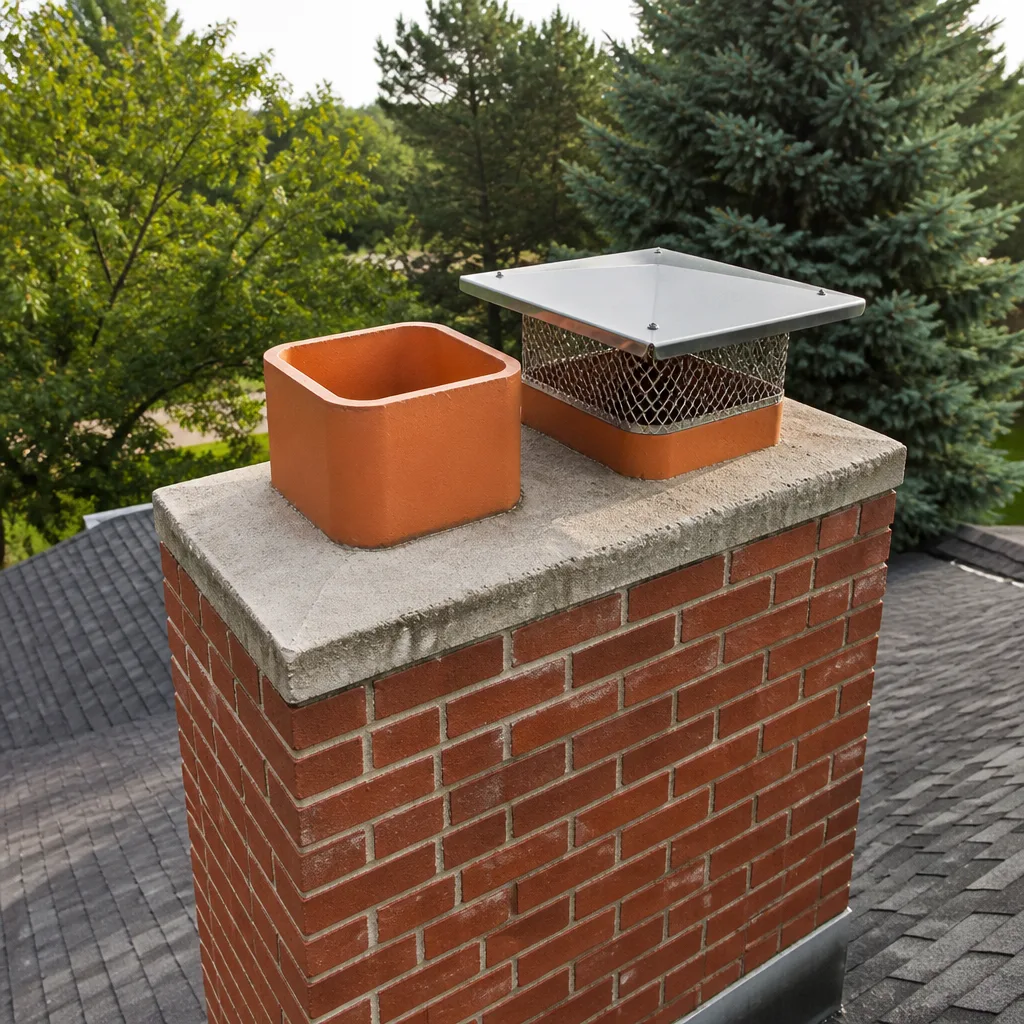 Sweep & inspection
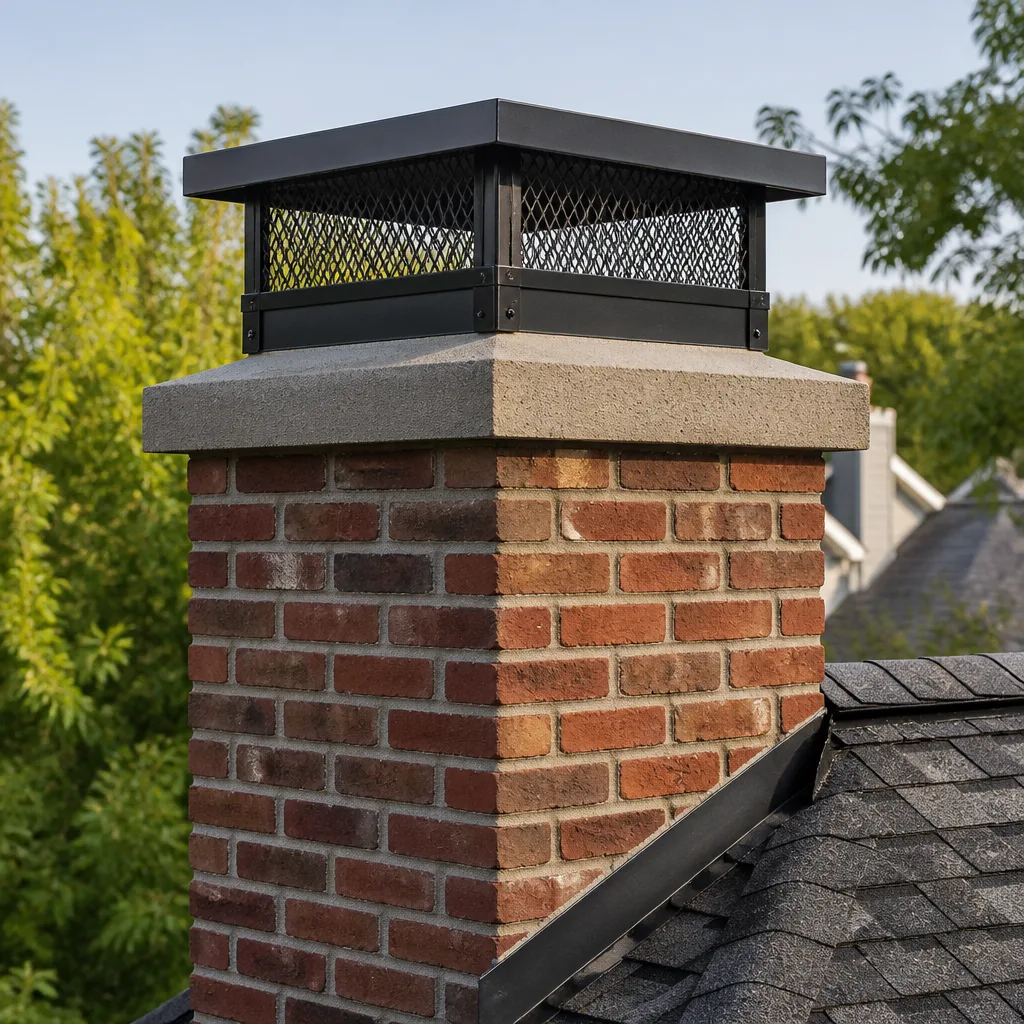 Caps & crowns
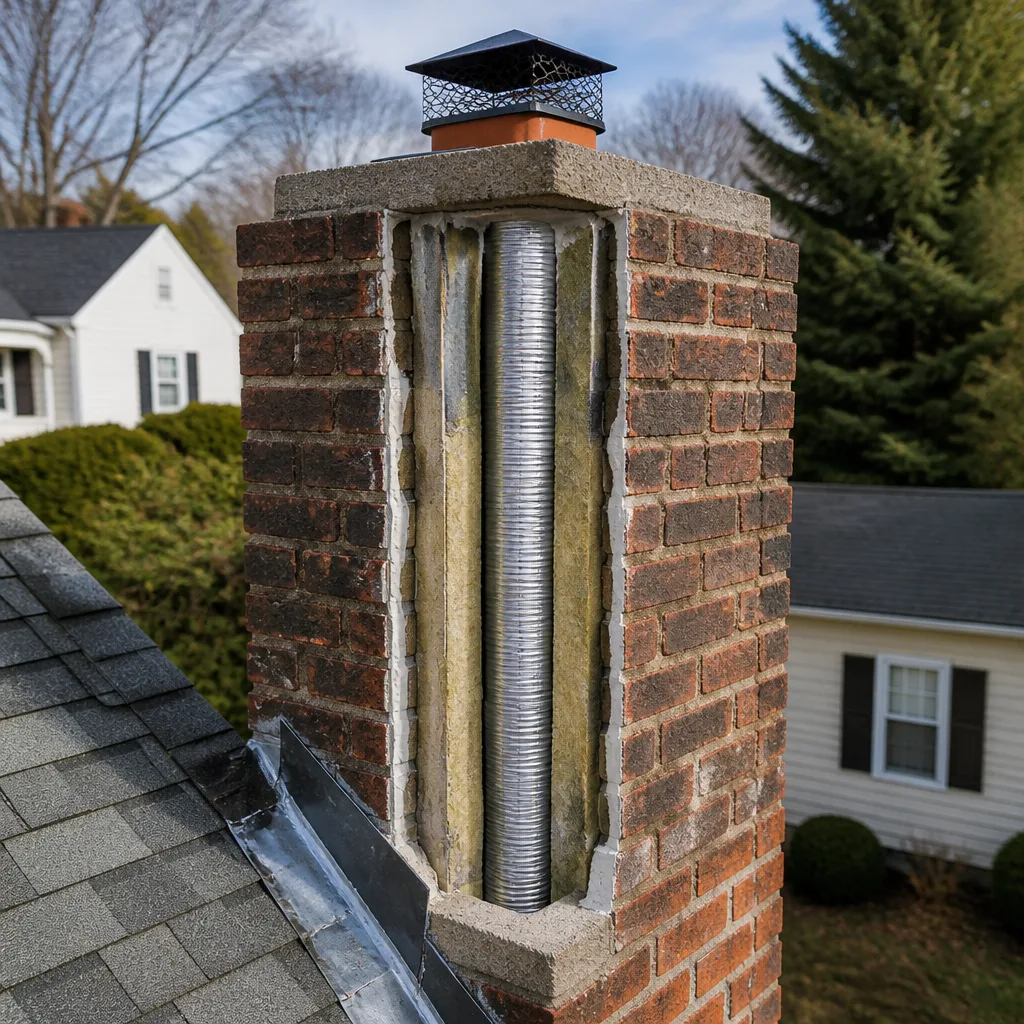 Flue relining
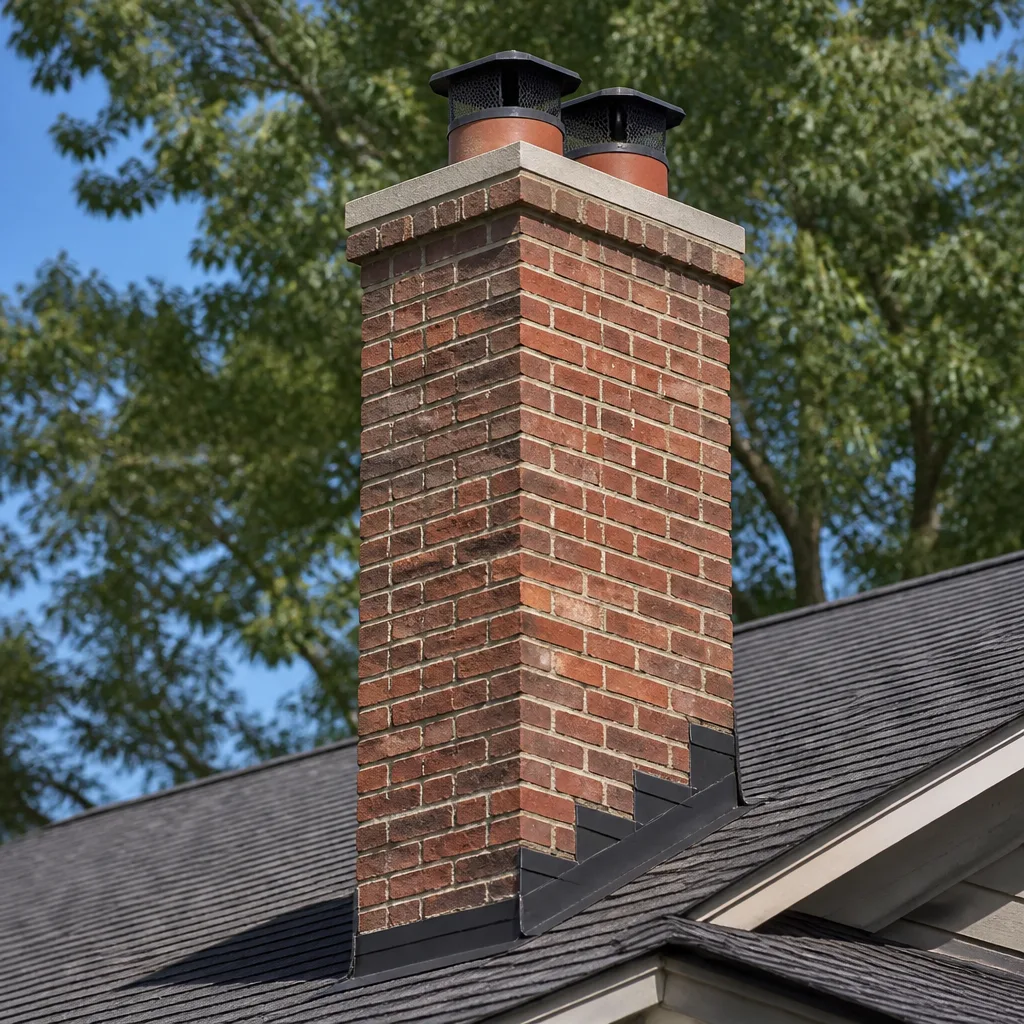 Masonry repair
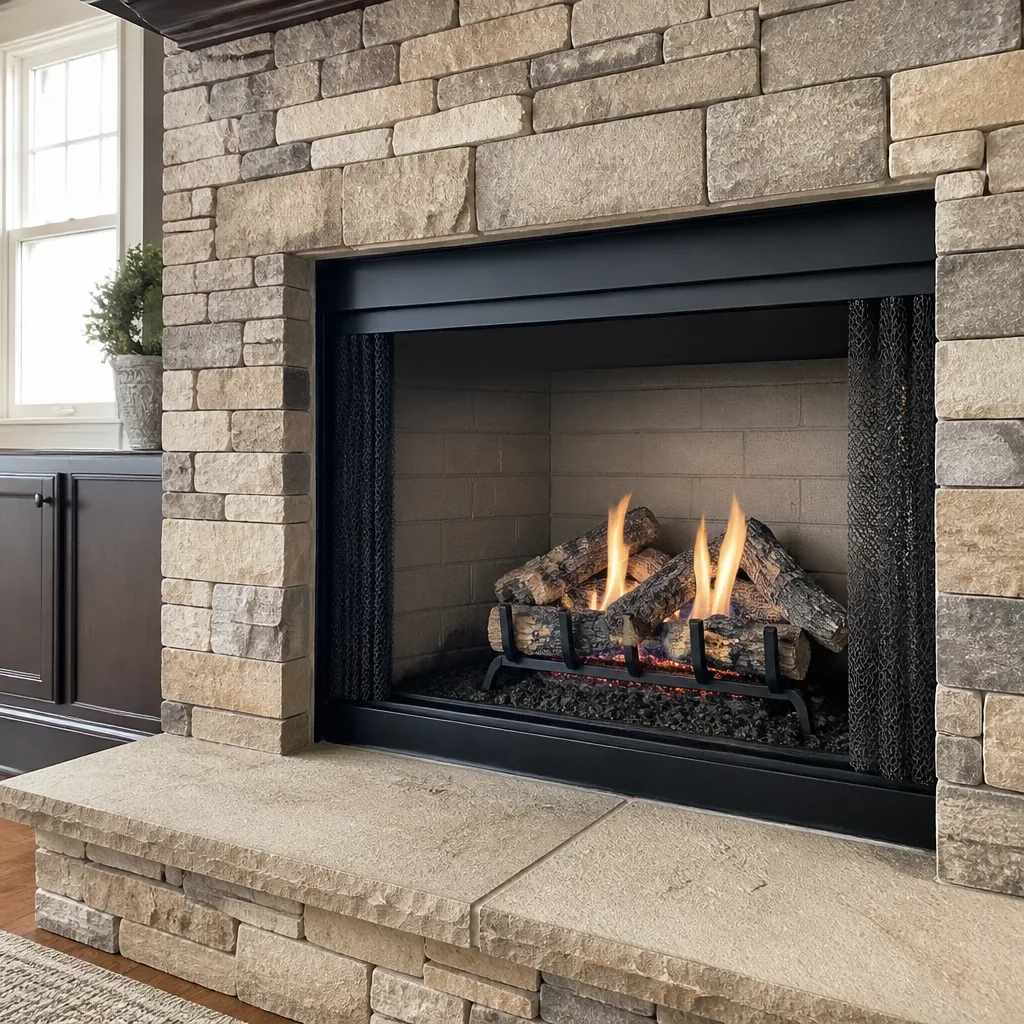 Gas fireplace service
Level 1 sweep and inspection to the NFPA 211 annual standard - flue, crown, cap, and flashing checked and photographed
Chimney sweep logs do not sweep chimneys. They loosen some creosote - which then falls where a brush and vacuum still have to collect it.
Chimney Cleaning Emergency Preparedness Guide for Placentia Homes
Most people assume a chimney fire announces itself with roaring flames and a wall-shaking rumble. In our experience, the more common scenario is quieter: a low, smoldering burn that sounds like distant wind through a pipe, or a slow creosote ignition you never notice at all. That gap between what a chimney fire sounds like in your head and what it actually sounds like in a Placentia living room causes homeowners to react with the wrong move at the wrong moment. Pour water into the firebox and you risk cracking the flue. Crack a window to “vent” the smoke and you feed the fire oxygen it didn’t need. This guide walks through the 60 seconds before you dial 911, the documentation steps that decide whether your insurer covers the damage, and the prep work that turns a potential disaster into a manageable event.
Quick Answer
If you suspect a chimney fire, close the damper and glass doors to starve it of oxygen, get everyone out of the house, and call 911 if you see flames or thick black smoke at the top of the chimney. If it’s a contained flue fire that’s already self-extinguishing with no visible flames at the crown, keep the damper closed, watch for smoke, and call a professional the same day. Afterward, do not clean or repair anything until you’ve documented the damage for your insurance adjuster.
Styles & brands we work with
- Sweep & inspection
- Caps & crowns
- Flue relining
- Masonry repair
- Gas fireplace service
Table of Contents
- Immediate Response Protocol: What to Do in the First 60 Seconds
- When to Call 911 vs. When a Contained Flue Fire Self-Extinguishes
- Post-Fire Documentation: What Your Adjuster Needs Before Any Cleaning
- Carbon Monoxide Preparedness for Chimney Systems
- How to Tell if You Had a Low-Intensity Chimney Fire You Didn’t Notice
- What to Have on File Before an Emergency
- The Preventive Role of a Chimney Sweep in Placentia
- Placentia-Specific Considerations for Fireplace Safety
Immediate Response Protocol: What to Do in the First 60 Seconds
The correct first response to a chimney fire is counterintuitive: you close the damper, not open it. Most people instinctively want to open the damper to let heat and smoke escape upward, but that feeds the fire the oxygen it needs to grow. Starving the flue of air is the single most effective thing you can do in the opening seconds, and in our experience, it’s the move most homeowners get wrong.
Here is the step-by-step protocol we share with Placentia homeowners:
- Close the damper and any glass doors. This cuts the oxygen supply to the fire in the flue. If you have a gas log set, turn off the gas supply at the valve.
- Get everyone out of the house. Move the family and any pets to the yard. Smoke inhalation is the immediate hazard, even in a small fire.
- Check the chimney top from outside. A steady plume of thick black or brown smoke, visible flames at the crown, or sparks flying from the top means the fire is still active. Call 911.
- Do not pour water into the firebox. Water hitting a hot firebrick or clay flue can cause the flue to crack thermally. A cracked flue is a far bigger repair than a swept chimney.
- Do not open windows near the fireplace. This draws air through the firebox and into the flue, which is the opposite of what you want.
- Wait, and monitor the chimney exterior. If the smoke thins and stops within a few minutes, the fire may have burned itself out. Keep the damper closed until you’ve had the flue inspected.
Every fire is different, and we always say that if your gut tells you the fire is out of control, it probably is. Call 911. There is no penalty for being cautious. A fire crew will assess the situation without charging you anything, and a false alarm is far cheaper than a burned-out chase or a compromised flue.
When to Call 911 vs. When a Contained Flue Fire Self-Extinguishes
Here is the decision many Placentia homeowners face in the moment, and it’s not always obvious. A creosote fire in a well-sealed flue can burn out on its own within a few minutes if the damper is closed and the oxygen supply is cut. But an active fire with flames visible at the top of the chimney is a structural emergency that requires professional firefighting response. The key distinction: a self-extinguishing flue fire stays contained inside the chimney, while an active fire is actively consuming creosote and threatening the chase, the roof, or adjacent framing.
Call 911 immediately if you see any of these signs:
- Flames visible at the top of the chimney or at the crown
- Thick black or dark brown smoke pouring from the chimney top for more than a couple of minutes
- Sparks or embers flying from the chimney
- A rumbling, roaring, or “freight train” sound from the flue
- Smoke entering the living space, which means the flue is cracked or blocked
- Heat felt on the chimney breast or chase wall
- Any flame or burning smell inside the house beyond the firebox
If none of those signs are present, and you closed the damper immediately, monitor the exterior for several minutes. If the smoke stops entirely, the fire likely burned out on its own. But “burned out on its own” is not the same as “no damage done.” A creosote fire that burns hot enough to be noticeable also typically burns hot enough to crack a clay flue liner or leave glazed creosote stuck to the flue walls. A professional inspection after any suspected flue fire is not optional. We work with the chimney repair team every week on post-fire assessments in Placentia, and the damage a quiet fire leaves is often more serious than a noisy one, because the homeowner often skips the inspection entirely.
Post-Fire Documentation: What Your Adjuster Needs Before Any Cleaning
This is the section most Placentia homeowners wish they’d read before calling a single contractor after a fireplace incident. Once you’ve cleaned soot or swept the flue, the evidence your insurance adjuster needs to process a claim is gone. In our experience, chimney fire claims get denied more often for poor documentation than for any other reason, and the window to capture the evidence is the first day or two after the fire, not the first week.
Before any cleaning, sweeping, or repair work begins, collect and photograph the following:
- Exterior chimney photos from multiple angles – front, back, both sides, and the roof line around the chimney.
- Close-up photos of the crown – cracking, spalling, and any visible heat damage.
- The chase wall on all accessible interior sides – any discoloration, blistered paint, or soot staining.
- The firebox interior – shoot the full firebox and the damper assembly. Include close-ups of any cracked firebrick.
- The smoke chamber – if it’s visible from the damper, photograph the interior surface.
- Any displaced or cracked flue tiles – if a tile has shifted, photo it before anyone touches it.
- A video of the flue interior – a camera inspection captures glazing, cracks, and joint gaps that photos miss.
- The date, time, and any fire department presence – note whether the fire department responded, the incident number if they provided one, and any verbal assessment they gave.
- Documentation of any installed liner or repair materials – the brand, model, install date, and any warranty paperwork you have on file.
Ask the contractor to photograph the flue interior before sweeping. Sweeping first and photographing after means you’ve lost evidence that could determine whether a claim is approved. We always photograph and log a camera report before touching the flue, and we keep that documentation available if the homeowner’s insurer wants to see it. Ask for the same from any contractor you hire in Placentia. It’s not a special request, it’s standard practice.
Carbon Monoxide Preparedness for Chimney Systems
Carbon monoxide intrusion from a fireplace system is a blockage problem, not a fire problem. When the flue is partially or fully blocked by soot, bird nests, a fallen tile, or a collapsed liner, exhaust gases have nowhere to go but back into the living space. That’s the failure mode that typically gets missed, and it’s the one that causes carbon monoxide incidents. A chimney fire can also cause CO intrusion after the fact; a fire can crack the flue liner, which then lets exhaust seep through the chimney wall into the house.
What CO intrusion from a blocked or damaged flue typically looks like:
- Headaches, dizziness, or nausea that improve when you leave the house
- Sleepiness or confusion in family members, particularly in rooms near the fireplace
- Soot streaks or dark staining around the fireplace opening or on the chase wall
- A smell of combustion gases in the room, even when the fireplace is not burning
- Backdrafting – smoke rolling back into the room from the firebox
Place a CO detector on each level of your home, and place one specifically in the room with the fireplace. A detector mounted near the fireplace catches CO intrusion at the source, before it spreads. Test the batteries regularly, and be aware that a CO detector mounted directly above the firebox can trigger on normal operation; mount it at the recommended height on the opposite wall or ceiling, following the manufacturer’s instructions.
The CO failure mode often starts with a blocked flue cap or an untested damper. If you haven’t had a professional inspect the flue, cap, and crown in over a year, the CO risk is unknown. Our Placentia chimney sweep service includes a camera inspection and a photo report, which is the most reliable way to catch a partial blockage before it becomes a CO event.
How to Tell if You Had a Low-Intensity Chimney Fire You Didn’t Notice
Many chimney fires don’t announce themselves with flames or a roar. A low-intensity fire – sometimes called a smoldering or quiet fire – can burn in a creosote deposit for a matter of minutes and then extinguish itself when the airflow stabilizes. The problem is that a quiet fire doesn’t stay quiet structurally. In our experience, the structural signs of a low-intensity chimney fire show up in the inspection, not in the moment. That’s why we recommend a professional inspection after any burning season where you used the fireplace heavily, even if nothing visibly happened.
Signs that a low-intensity fire may have occurred:
- Puffy, honeycombed, or cracked creosote on the flue walls – this is the classic signature of a creosote fire that burned and self-extinguished. Look for flaky, popcorn-textured deposits that crumble under contact.
- Heat discoloration on the chase or crown – even mild browning on the masonry around the top of the chimney indicates heat exposure.
- Warped or warped-looking damper – a damper that no longer closes flat may have warped under heat.
- Cracked clay tiles within the flue – visible only by camera inspection, but a clear sign of thermal shock.
- Blackened or blistered firebrick in the firebox – particularly on the back wall, indicating the fire burned hotter than normal.
- A sulfur or creosote smell that lingers after the fire goes out – burned creosote can leave a smell that persists for days.
If you notice any of these signs, schedule an inspection. We use camera inspection to see the flue from top to bottom, and we’ll tell you plainly if the flue is fine (which is common) or if a repair is needed. And if a repair is needed, we can often resurface the flue with HeatShield ceramic repair, which extends the life of the flue without a full relining. That’s a repair option a lot of sweep-only operators can’t do, and for Placentia homeowners with a cracked but otherwise sound flue, it’s usually the most durable and cost-effective option.
What to Have on File Before an Emergency
Preparedness is mostly paperwork, and it’s the part Placentia homeowners skip. If a chimney fire happens at 9pm and you have to call your insurer from your driveway, you don’t want to be digging through a junk drawer for documentation. Build a “chimney file” now, and keep it in the same place you keep your homeowner’s insurance policy.
What to keep in the file:
- Your contractor’s contact information – name, phone, and any email address. Include our line: (866) 585-7269.
- The most recent inspection report – date, findings, and any recommended actions.
- Permit history – the original permit for the fireplace or chimney, if you have it. Placentia city records often have this on file, and it’s useful if your insurer asks about original construction.
- Product documentation for any installed liner or repair materials – if a DuraFlex liner or HeatShield ceramic resurfacing was installed, keep the brand, model, and warranty paperwork.
- Photographs of the chimney, crown, cap, and firebox – taken recently, from multiple angles. These become your “before” photos.
- A record of when the fireplace was last used and what was burned – a simple log is enough. This helps an adjuster establish whether a fire was caused by a maintenance gap or an external event.
- The homeowner’s insurance policy and claim phone number – available in a single place, not scattered across email.
We can pull up inspection records and product documentation from previous visits to support your claim. We install and apply DuraFlex, HeatShield, Gelco, and Olympia Chimney components, and we document what went in and when. That documentation belongs to you, not just to us – ask for a copy.
The Preventive Role of a Chimney Sweep in Placentia
Most chimney fires in Placentia are preventable with a routine chimney sweep and inspection. The buildup of creosote – the tar-like residue that forms when wood burns incompletely – is the fuel source for almost every chimney fire. A professional sweep removes creosote before it reaches the dangerous stage, and an inspection catches the small issues (a cracked flue tile, a disconnected liner, a corroded damper) before they become a fire or a carbon monoxide problem.
How often should a Placentia chimney be swept? The general rule most flue and venting agencies use is once a year, or once every cord of wood burned. For a Placentia homeowner burning regularly through the cooler months, an annual sweep before the burning season starts is the reliable baseline. If you burn a lot of soft, resinous wood, or you’ve had a chimney fire in the past, an inspection after each season is prudent.
The sweep is also the moment to check the chimney cap and crown, which are the chimney’s first line of defense against water getting in and deteriorating the flue. A missing or rusted cap lets rain and animals into the flue. A cracked crown lets water sit on top of the masonry, where it can freeze and spall in cooler climates, or simply erode over time. Our cap and crown work is treated as a core service, not an add-on. If the inspection turns up a crown issue, we’ll tell you plainly and offer the repair; if not, we’ll leave it alone. That’s the point of reading the flue before recommending work.
Placentia-Specific Considerations for Fireplace Safety
Placentia’s climate is not the harsh, freeze-and-thaw environment of higher-elevation areas, but the local conditions still create specific chimney risks. The mild winters mean wood-burning season is long and often less intense; homeowners may burn smaller fires more often, which produces more low-grade creosote than a few large, hot fires. That low-grade creosote is the fuel for a quiet chimney fire. The area’s characteristic warm, dry conditions also mean fire danger from a chimney spark that reaches a roof or landscaping is a realistic concern during the driest months.
A few Placentia-specific considerations:
- Older homes and flue construction – many Placentia homes built in the mid-20th century have unlined or clay-tile-lined flues that were not designed for modern wood-burning. If your home’s flue has never been inspected, it’s worth confirming what’s behind the firebox.
- Gas fireplace conversions – if a wood-burning fireplace has been converted to gas, the original flue may still need inspection. The flue cap and the damper condition still matter, and a gas log set can still produce CO if the flue is blocked.
- Fireplace use patterns – many Placentia households use the fireplace for ambiance more than heat, which means small fires with poor draft and more creosote. A professional sweep before each season catches the buildup before it matters.
Our technicians have up to 14 years of experience reading Placentia flues, and we’ve seen the same pattern repeatedly: a homeowner skips a year, the creosote builds, and a low-intensity fire leaves a cracked tile behind. The cost of an inspection is small; the cost of a cracked flue is not.
Common Mistakes to Avoid
- Opening the damper during a suspected chimney fire. Opening the damper feeds the fire. Close it and let the fire starve of oxygen.
- Pouring water into the firebox. Water on a hot flue can crack tiles thermally. Even a small amount can cause enough thermal shock to crack the flue.
- Cleaning before documenting. Once the soot is swept, the evidence your insurer needs is gone. Photograph and log first, clean second.
- Skipping the inspection after a quiet fire. A low-intensity fire that self-extinguishes still leaves cracked creosote and often a cracked tile. An inspection is how you find out.
- Hiring a sweep-only operator for post-fire work. A sweep-only crew may clean the flue but not diagnose the structural damage. Look for a contractor who handles inspection, repair, and liner work in a single engagement.
- Using a generic hardware-store flue part. Flue components need to be rated for high-temperature environments. DuraFlex, HeatShield, Gelco, Olympia Chimney, Famco, and Copperfield components are rated for this environment; generic substitutes are not.
- No CO detector near the fireplace. A CO detector in the room with the fireplace catches a flue failure before it reaches the sleeping areas.
See the difference
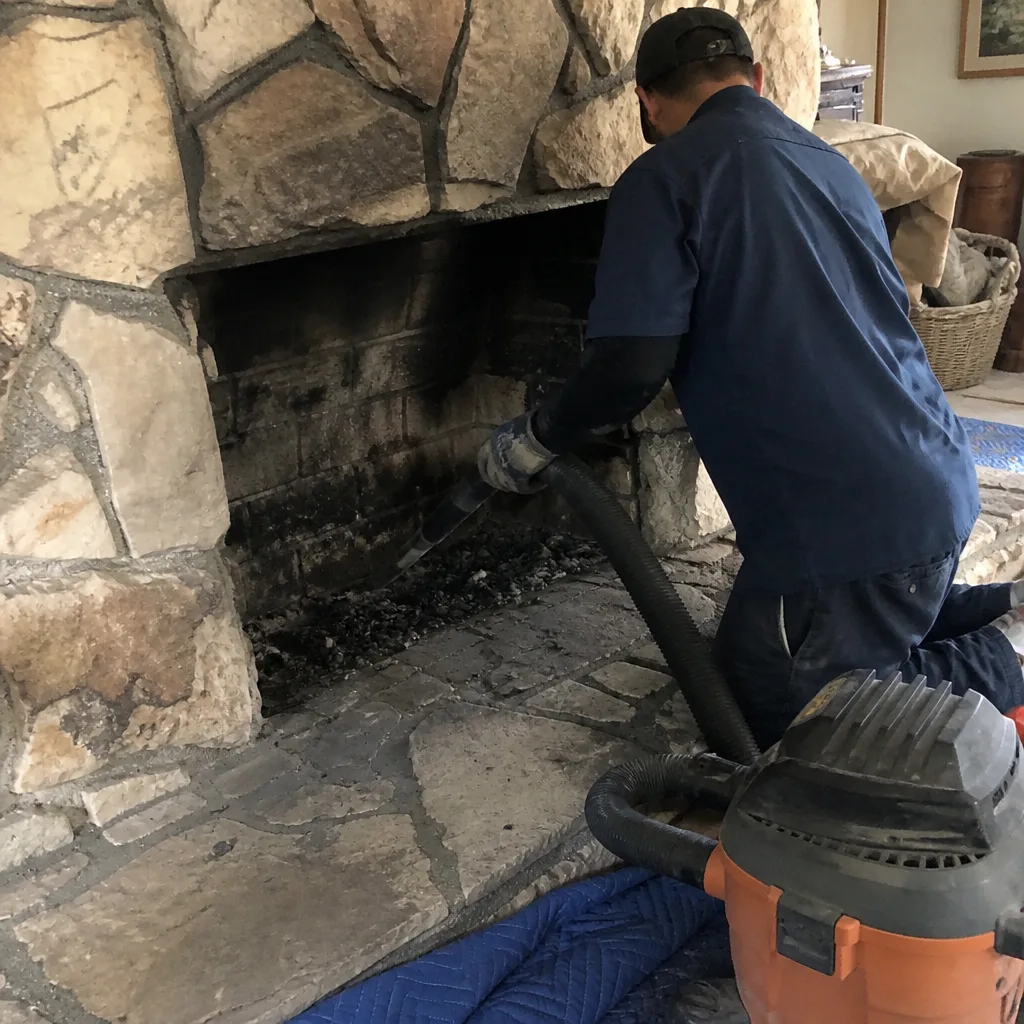 Before
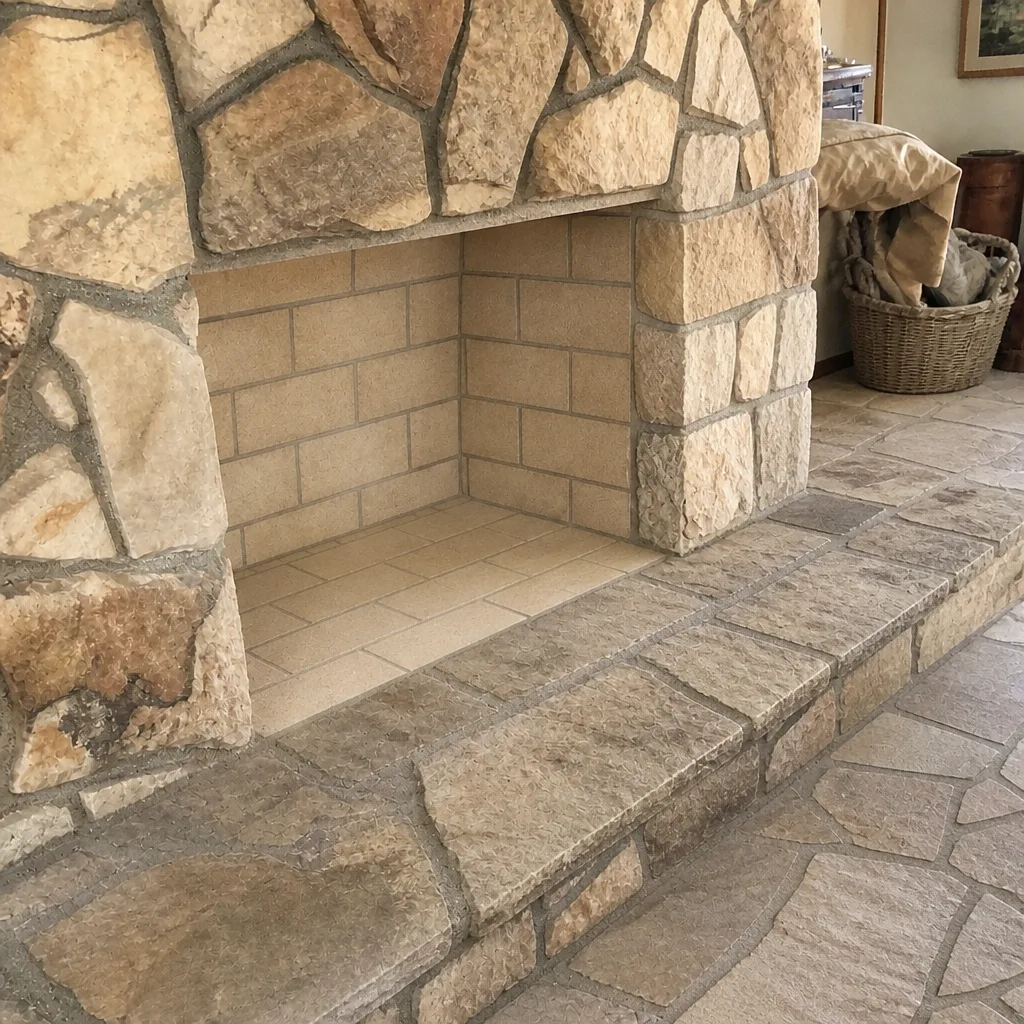 After
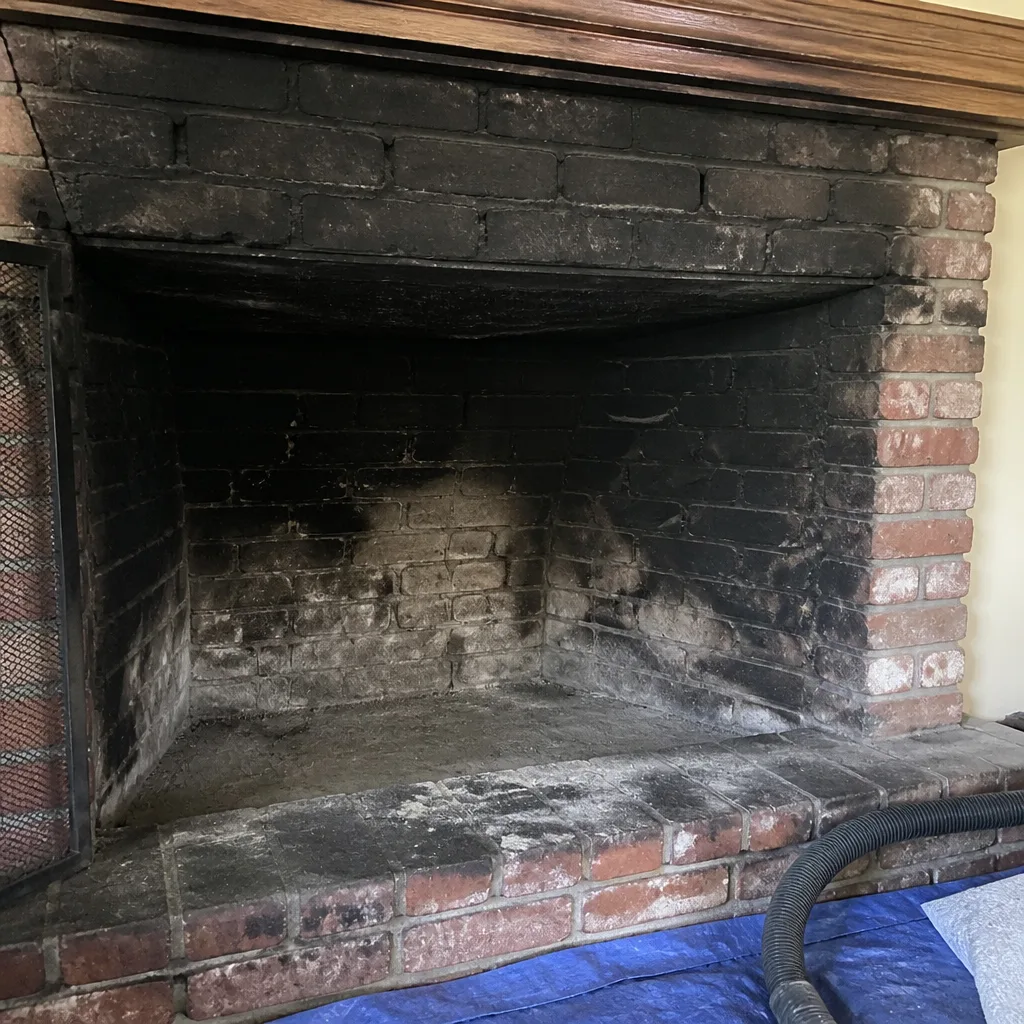 Before
 After
 Before
 After
When to Call a Professional
Call a professional if you’ve had any suspected chimney fire, even a small one. Call if you see cracking on the crown, a missing or damaged cap, staining on the chase wall, or smoke rolling back into the room. Call if your CO detector has triggered near the fireplace, or if anyone in the house has been experiencing headaches or dizziness that resolve when they leave the home. Call if it’s been more than a year since the last inspection, or if you’ve moved into a Placentia home and don’t know the flue’s inspection history.
Placentia Chimney Sweep offers free estimates in Placentia – call (866) 585-7269. We answer 24/7. Fast dispatch, 7am-7pm, Sunday through Friday. When a technician arrives, the first step is a camera inspection and a photo report, and the recommendation follows the findings. If the flue is fine, we tell you. If a repair is needed, we show you the evidence.
Frequently Asked Questions
Close the damper and any glass doors to starve the fire of oxygen, get everyone outside, and call 911 if you see flames or thick black smoke at the top of the chimney. Do not pour water into the firebox or open windows near the fireplace.
A standard chimney sweep in Placentia is typically priced per job, and the written estimate sets the final price. Call (866) 585-7269 for an exact quote – estimates are free.
Yes. A low-intensity fire that self-extinguishes can still crack flue tiles and leave glazed creosote. Only a camera inspection confirms whether the flue is intact. Call (866) 585-7269 to book an inspection – estimates are free.
CO intrusion happens when the flue is blocked by soot, a bird nest, a fallen tile, or a collapsed liner, forcing exhaust gases back into the living space. A cracked flue from a prior fire can also let exhaust seep through the chimney wall. Place a CO detector in the room with the fireplace, and have the flue inspected if it’s been over a year.
Photograph the chimney exterior from all angles, the crown, the chase wall, the firebox interior, and any cracked flue tiles before any cleaning. Ask the contractor for a camera inspection video of the flue before it’s swept. Note the date, time, and any fire department incident number. Your insurer will typically want all of it.
Once a year, or once per cord of wood burned, is the reliable baseline. If you burn heavily or you’ve had a prior fire, an inspection after each burning season is prudent. Call (866) 585-7269 to schedule a sweep – estimates are free.
The Bottom Line
Emergency chimney preparedness comes down to three things: knowing the right first response (close the damper, don’t open it), documenting the damage before anyone cleans or repairs, and having the paperwork in place before you need it. A quiet fire you never noticed is the one most likely to leave hidden structural damage, and only a camera inspection catches it. If you’ve had any suspected fire, or if it’s been over a year since a Placentia sweep, schedule an inspection now rather than after the next burning season. Our technicians have up to 14 years of experience reading Placentia flues, and we show you the evidence before we recommend a thing.
Contact
Call (866) 585-7269 for a free estimate. We answer 24/7. Fast dispatch from 7am to 7pm, Sunday through Friday. Whether you need a routine sweep, a post-fire inspection, a fireplace repair, or cap and crown work, we handle the full chimney in a single engagement, and we document what we find so you can make an informed decision.
Written by the team at Placentia Chimney Sweep.