
Last updated November 25, 2026
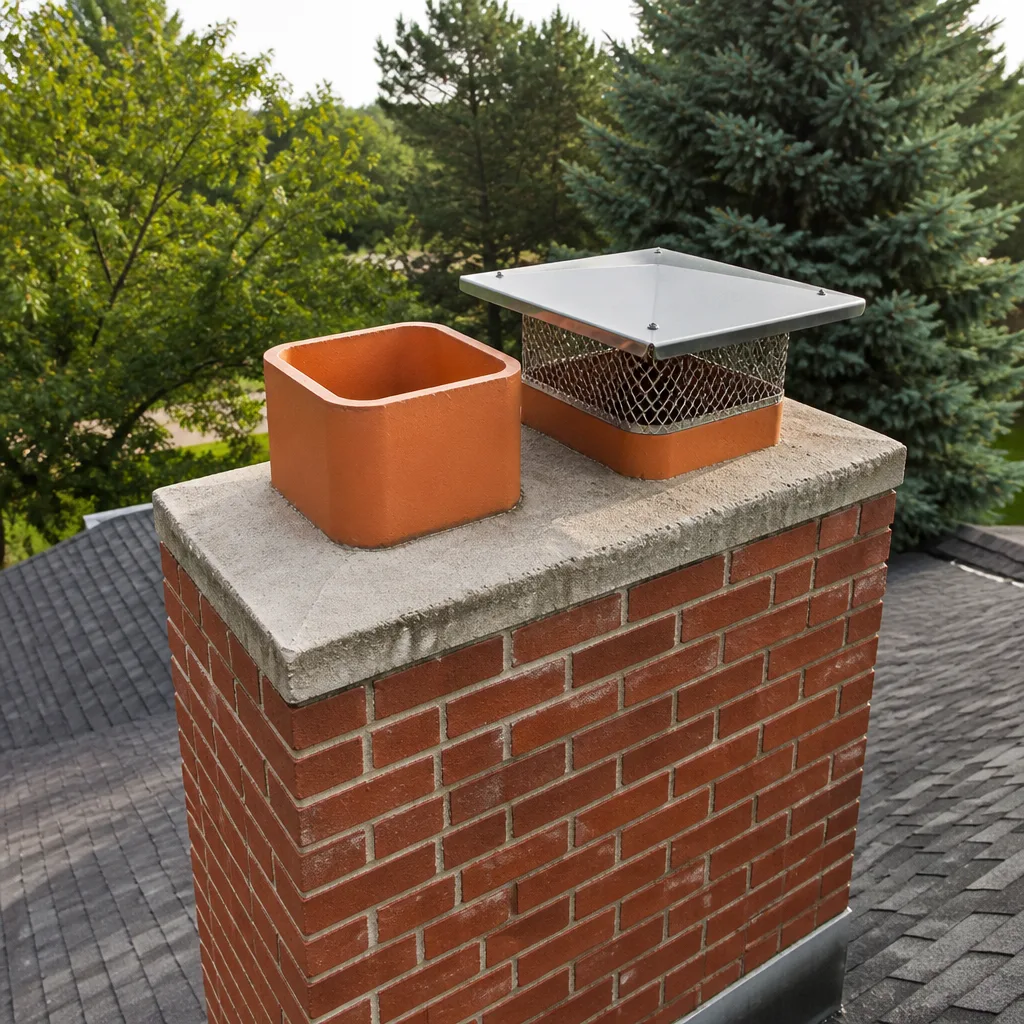 Sweep & inspection
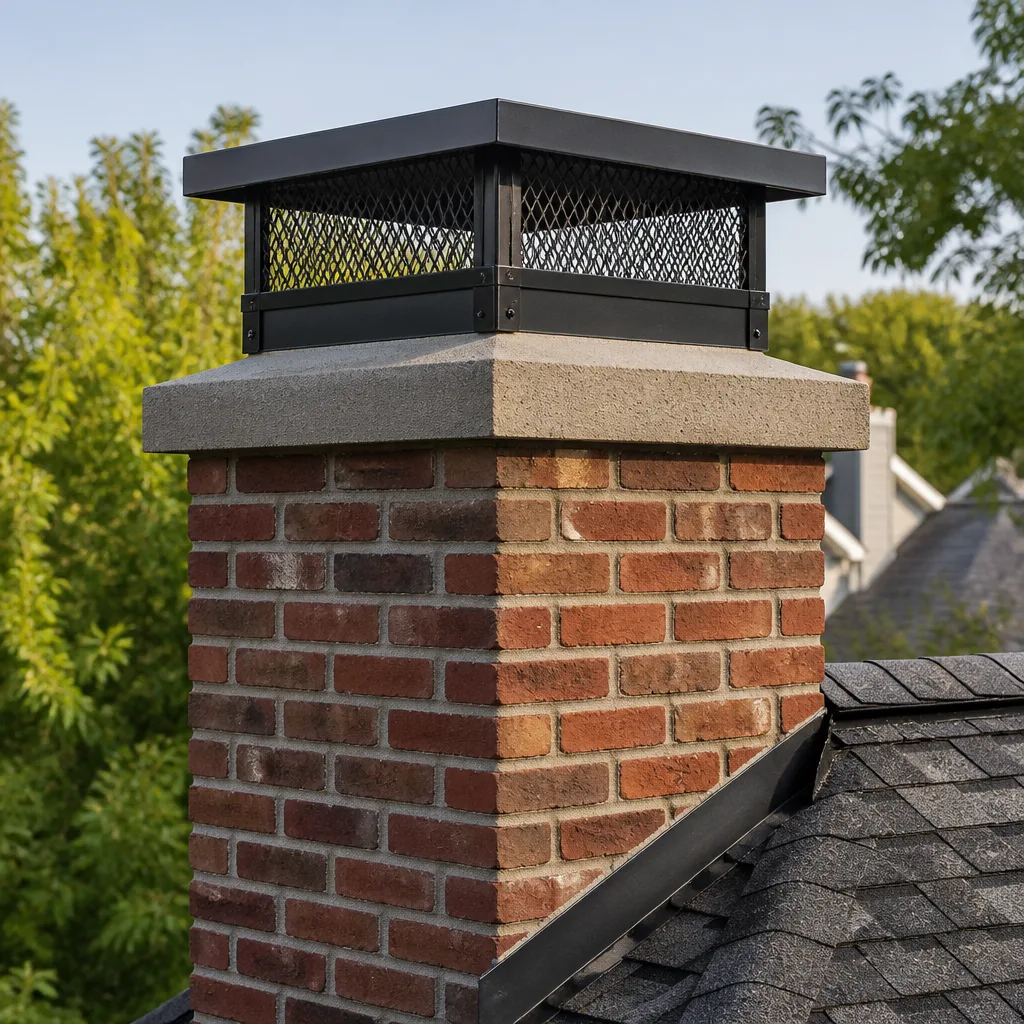 Caps & crowns
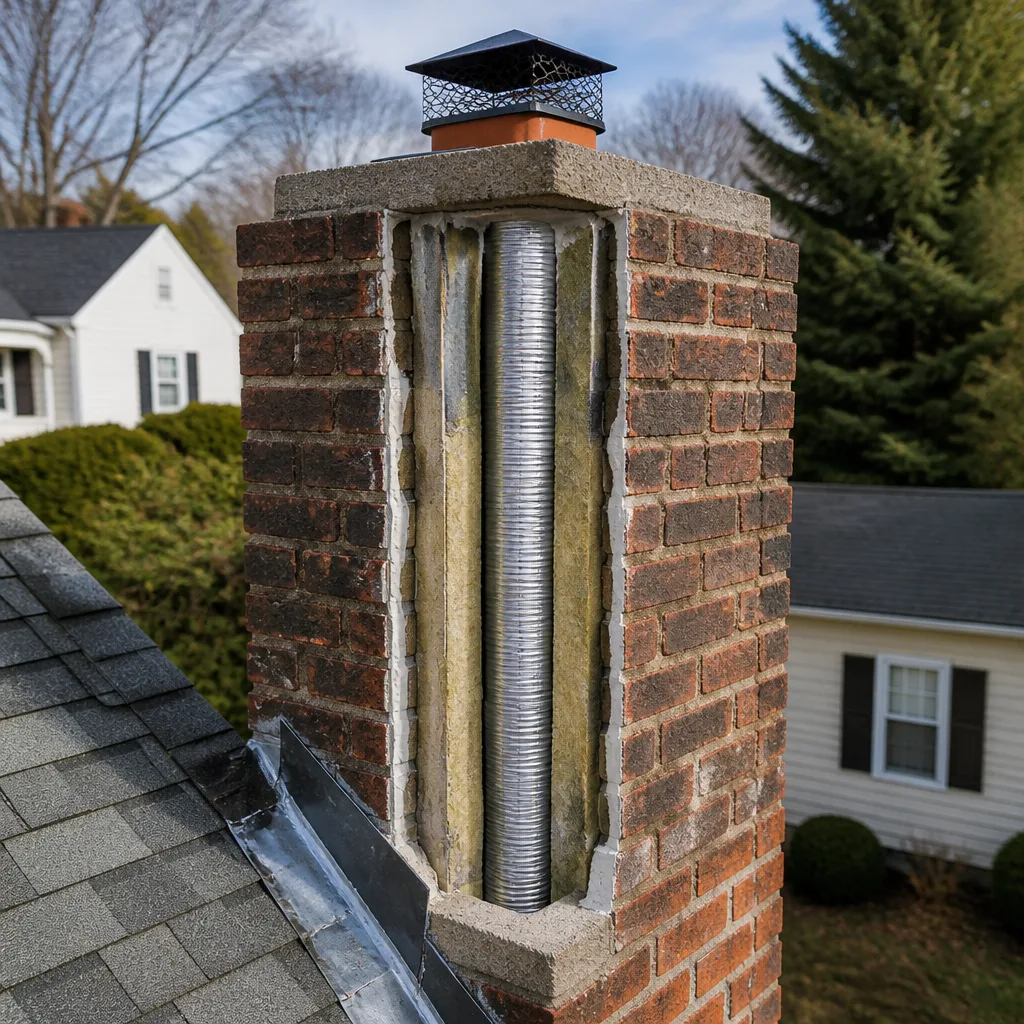 Flue relining
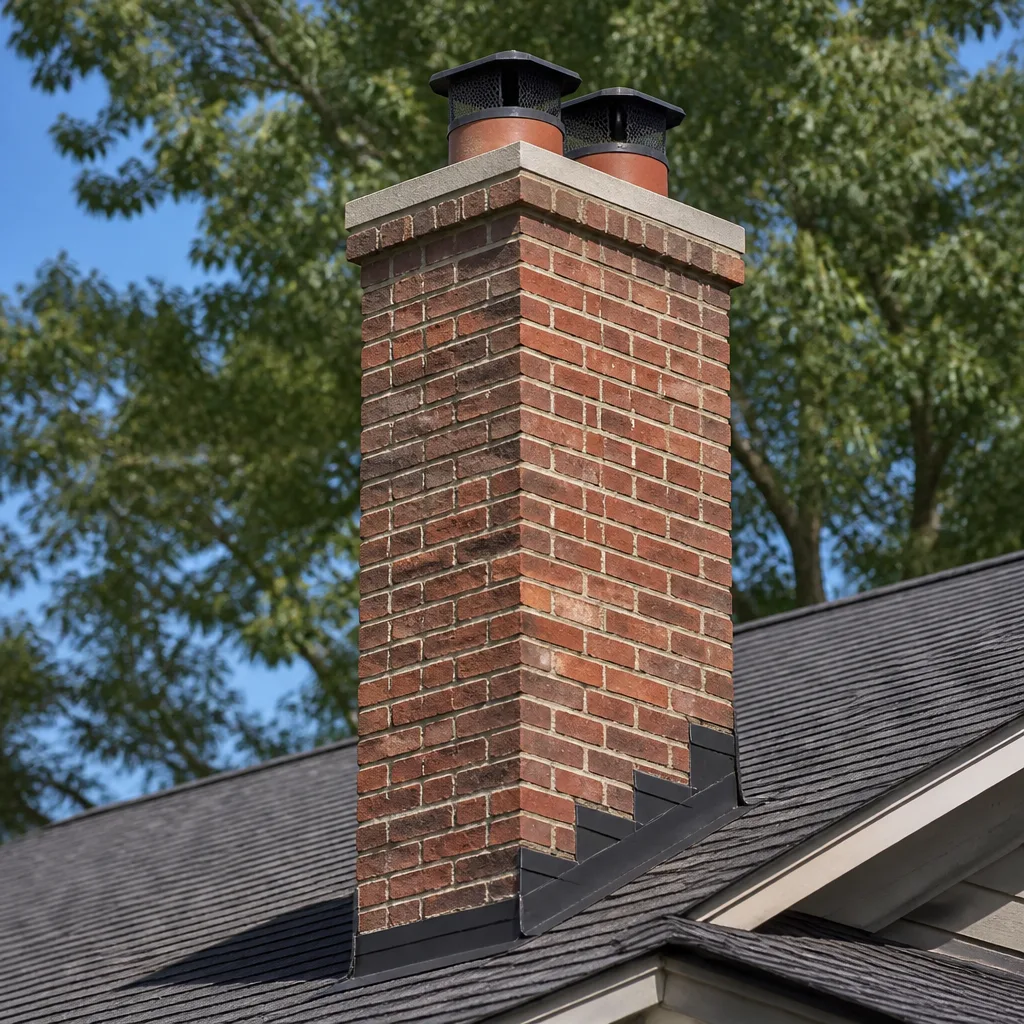 Masonry repair
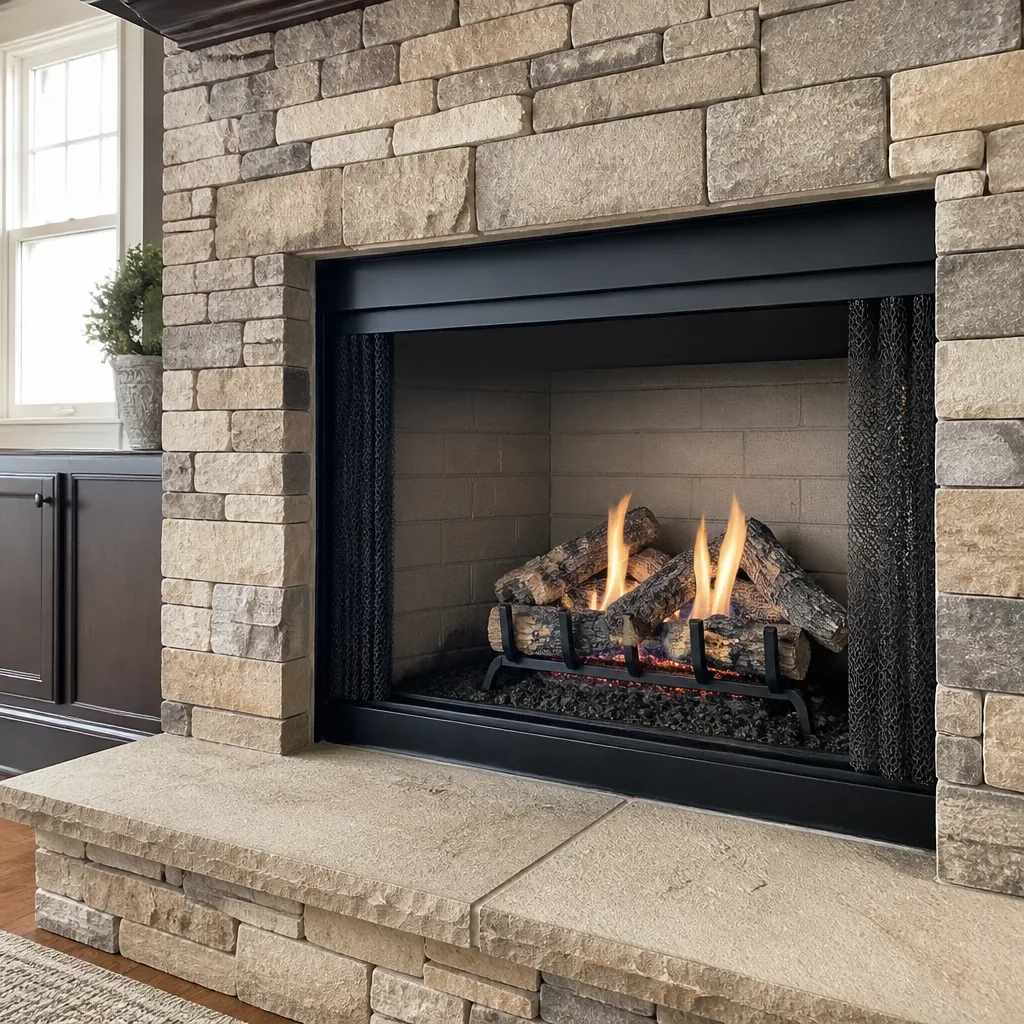 Gas fireplace service
Level 1 sweep and inspection to the NFPA 211 annual standard - flue, crown, cap, and flashing checked and photographed
Chimney sweep logs do not sweep chimneys. They loosen some creosote - which then falls where a brush and vacuum still have to collect it.
How to Hire a Chimney Cleaning Contractor in Placentia: A Step-by-Step Guide
CSIA certification tells you a technician passed a written test. It tells you nothing about whether that technician carries HeatShield applicator credentials, stocks their own repair materials, or will hand your liner job to whoever answers the phone that week. Most homeowners in Placentia shop for a chimney contractor by comparing sweep prices, then discover halfway through the job that the person who cleaned the flue cannot fix the cracked crown they found. This guide walks through how the market here actually works, the five types of contractors you will encounter, the exact questions that separate an in-house specialist from a referral service, and how to check credentials in California before anyone climbs onto your roof.
Quick Answer
To hire a chimney cleaning contractor in Placentia, verify three things before you book: the technician’s CSIA certification and the contractor’s California license through the state’s online lookup, proof of general liability and workers’ compensation coverage, and whether the contractor performs structural repairs, liner work and cap and crown installation in-house or subcontracts them. Ask for a written scope and inspection report before any work begins, and get the sweep price and any repair pricing in writing. A legitimate contractor puts findings in a report; a sweep-only operator puts a brush in your flue and sells the repair to someone else.
Styles & brands we work with
- Sweep & inspection
- Caps & crowns
- Flue relining
- Masonry repair
- Gas fireplace service
Table of Contents
- The Five Types of Chimney Contractors in the Placentia Market
- Questions to Ask Before You Book
- How to Verify Insurance, Licensing and CSIA Credentials in California
- What a Legitimate Estimate Looks Like vs. a Lowball Sweep Offer
- Local Context: What Placentia Chimneys Actually Face
- What a Written Inspection Report Should Contain
- Red Flags in Contractor Communication
- Step-by-Step: Booking and Managing the Job
The Five Types of Chimney Contractors in the Placentia Market
Not every business that advertises chimney cleaning does the same work, and the differences matter most when your chimney turns out to need more than a sweep. Here is how the market breaks down.
- Sweep-only operators. They clean the flue and leave. That is the whole business. If they find a cracked crown or a damaged liner, they hand you a business card for someone else. The sweep price is usually the lowest you will see, but the accountability stops at the door.
- Sweep-and-refer. They clean, inspect to a basic level, and have a standing relationship with a repair contractor they call for anything structural. The trouble is that you rarely get to evaluate that second contractor, and no single party owns the outcome from inspection through repair.
- Full-service chimney contractors. They sweep, inspect, repair fireboxes, resurface or reline flues, and install caps and crowns. Materials are sourced from trade distributors rather than a hardware store shelf. When the inspection finds a problem, the same company that found it can fix it, which is where documentation and accountability stay connected.
- National franchises. Recognizable branding, standardized processes, and often a call center between you and the technician. The quality can be excellent, but the person answering the phone may not know whether the local franchise does HeatShield resurfacing or only subcontracts it. Ask specifically.
- Handymen and general contractors. Some will clean a chimney as part of a broader home-repair offer. Most are not trained in flue environments, do not carry the right brushes for the flue size, and cannot tell you whether a hairline crack in the firebox brick is cosmetic or a pathway for carbon monoxide into the living space.
For most Placentia homeowners with a wood-burning or gas fireplace, the practical choice narrows to a full-service contractor, with a franchise a reasonable second if you confirm the local franchise performs repairs itself. In our experience, the handoff between a sweep and a referred repair contractor is where costs quietly climb and where nobody takes responsibility for the seam between the two jobs. That is the single most useful thing to understand before you start calling around.
Questions to Ask Before You Book
The questions below are designed to reveal, in one phone call, whether a contractor owns the whole job or passes pieces of it along. Write them down. A confident full-service contractor answers them plainly and without hesitation.
- “Do you perform structural chimney repairs in-house, or do you subcontract?” If they subcontract, ask who performs the work, whether that company is licensed and insured, and who honors the workmanship if something fails. If the answers get vague, the accountability is vague too.
- “Are your technicians CSIA-certified, and can you tell me which certifications?” The CSIA Certified Chimney Sweep credential is the baseline. Ask specifically about additional credentials such as HeatShield applicator certification if the conversation turns to flue resurfacing, since that product requires training to apply correctly.
- “What does your written inspection report include?” The answer should describe photographs, a documented condition assessment of the flue interior, firebox, damper, crown and cap, and a written scope for any recommended work. “We’ll let you know what we find” is not a report.
- “Do you install chimney caps and crowns as a standard service?” Cap and crown work is protection, not an add-on. A contractor who treats it as an upsell is not thinking about your chimney’s long-term condition.
- “What brands of liner and repair materials do you install?” Trade-grade answers include names like DuraFlex for flexible stainless liner systems and HeatShield for ceramic flue resurfacing. A contractor who cannot name materials is likely buying whatever is cheapest that week.
- “Will the sweep price you quote today be the price on the invoice?” Ask for the quote in writing, confirm what the sweep includes, and confirm whether the inspection is bundled or separate. Watch for a price that seems designed to get a foot on the roof rather than price the actual work.
Two more worth keeping in your pocket: “How do you document findings for me to keep?” and “If you recommend a repair, will you show me the evidence?” Both questions shift the conversation from trust to verifiable evidence, which is exactly where it belongs.
How to Verify Insurance, Licensing and CSIA Credentials in California
California gives you real tools for this, and they take about ten minutes to use. Here is the sequence.
- Check the contractor’s license through the Contractors State License Board (CSLB). The CSLB runs a free online license lookup at cslb.ca.gov. Search by business name or license number. Confirm the license is active, that the classification covers the work (C-29 is the masonry classification often relevant to chimney work; ask the contractor which classification applies to their scope), and that the license is in the business’s name. You can also call the CSLB directly to confirm.
- Ask for a certificate of insurance and confirm it is current. You want general liability coverage and workers’ compensation. Call the insurer listed on the certificate to confirm the policy is active and the coverage dates are current. A contractor who cannot produce a certificate should not be on your roof.
- Verify CSIA certification directly with the Chimney Safety Institute of America. The CSIA maintains a searchable directory of certified sweeps at csia.org. Look up the company and confirm the technician names match who will actually arrive.
- Confirm HeatShield applicator credentials if resurfacing is on the table. Ask to see the certificate, and cross-check with the manufacturer’s own listings if they publish them. This is not a detail. Resurfacing applied without training fails, and a failed resurfacing means the liner replacement you were trying to avoid becomes the only option.
- Ask for proof that the business carries the state-required licensing for the scope of work named in the estimate. If the scope includes structural work, confirm the classification covers it rather than assuming it does.
One thing to keep clear: the CSIA certification applies to individuals, not companies. Every technician on your roof should be able to produce the credential on request, and the certification should be current rather than expired. This is the sort of check that takes two minutes and eliminates a surprising number of operators from your list.
What a Legitimate Estimate Looks Like vs. a Lowball Sweep Offer
A legitimate estimate in Placentia is a written document, given before any work begins, that names the scope, the materials, the price, and the condition of your chimney as found by the inspection. Anything less is not an estimate; it is a number spoken aloud on your porch before the technician has seen the flue interior.
Here is the difference in structure.
- Legitimate estimate: written, itemized by job component (sweep, inspection, repair scope if applicable), names specific materials (a DuraFlex liner system, HeatShield resurfacing, a specific cap style), states the price, and specifies what the inspection report will deliver. It says what is included and what is not. It may say a repair can wait, and it should be willing to do so.
- Lowball sweep offer: an unusually low number, often quoted over the phone, that gets a technician inside your home. Once that happens, the technician finds a problem the flue “definitely” has, and the repair conversation is conducted on the spot with no written findings. The lowball price was never the price of the job. It was the price of the visit.
Two details tell you which you are looking at. First, a legitimate contractor sends a written inspection report after the visit, with photographs and a scope for any recommended work. Second, a legitimate contractor is willing to tell you when a repair can safely wait and when it cannot. A sweep-only operator whose business model depends on the upsell has no incentive to tell you to wait. If you ask to see the camera footage or photographs of what they found, a legitimate contractor shows you without hesitation. If they hesitate, that is your answer.
A note on materials: professional-grade chimney components from established distributors like Olympia Chimney, Famco, Gelco and Copperfield cost more than generic hardware-store substitutes. They are also rated for the high-temperature environment of a flue. A quote that seems low may simply be using the wrong materials, which turns a durable repair into a short-lived one. When you compare estimates, compare materials, not just numbers. For a deeper look at what a professional sweep actually involves, see our chimney sweep page.
Local Context: What Placentia Chimneys Actually Face
Placentia sits in the Santa Ana River basin in Orange County, and the housing stock reflects decades of development with chimneys built to the standards of their time. That matters for how hiring decisions play out here.
Winters here are mild. That is not a small detail. A mild climate means many homeowners use their fireplace intermittently, in bursts during the coolest weeks rather than through a long continuous heating season. Intermittent use is a known condition for creosote accumulation because the flue does not always heat up enough to burn off the deposits between fires. A chimney that gets used a dozen or so evenings a year still needs an annual inspection, and the deposits can surprise homeowners who assume light use means a clean flue.
The other local factor is age. Placentia has neighborhoods built across several decades, and older chimneys tend to have original crowns with visible cracking, standard clay tile liners of varying condition, and caps that have rusted through after long exposure to Southern California sun and seasonal rain. A cracked crown is the entry point for water, and water damage in a chimney is cumulative and expensive to reverse. A missing or damaged cap lets birds, squirrels and debris into the flue. These are protection issues, and they are exactly what a full-service contractor should be finding during the inspection rather than as a separate visit six months later.
The third factor is the gas fireplace. Placentia has plenty of homes with gas-burning fireplaces, sometimes in a converted traditional wood-burning firebox. Gas fireplaces still need inspection, and the inspection is different from a wood-burning sweep because the concern is the venting system and the termination rather than creosote alone. Ask any contractor you call whether they handle gas fireplaces specifically, and whether the annual inspection includes the vent termination outside.
What a Written Inspection Report Should Contain
If a contractor shows up, sweeps, and tells you everything looks fine without giving you anything in writing, you have a problem. The written report is the evidence trail and the single best defense against a recommendation you cannot verify. Ask for these elements.
- The flue interior condition. A visual assessment at a minimum, and photographs or camera imagery if accessible. The report should name the liner type and describe any cracks, gaps, spalling or missing mortar.
- The firebox and damper. The state of the firebox brick and mortar joints, and whether the damper opens, closes and seals correctly.
- The crown. Cracks, separation from the flue, and any staining that suggests water entry.
- The cap and spark arrestor. Present or missing, condition, and whether the flue is protected against animals and debris.
- The smoke chamber and shelf if applicable. Not every inspection covers these, but if the sweep recommends a repair to them, ask why and expect documentation.
- A written scope for any recommended work, with the rationale for the recommendation and the materials that would be used.
The reason this matters is accountability. A report makes the recommendation checkable. You can look at the photographs with the contractor and understand what the problem is and why it needs fixing. If a recommendation comes with no photographs, no scope and a same-day pressure to sign, treat it as a sales presentation rather than an inspection finding. Our chimney repair page describes the range of repairs that a documented inspection might surface.
Red Flags in Contractor Communication
Most hiring mistakes are visible before anyone arrives, in the phone call and the quote. Here is what to watch for.
- Vague scope. “We’ll clean it out and take a look” tells you nothing about what is included, what it costs, or what happens if a problem turns up. A real estimate names the work.
- No written inspection report. If the inspection is verbal, the findings disappear when the technician leaves, and your defense against a bad recommendation goes with them.
- “We’ll figure it out when we’re up there.” A contractor who prices the repair after arriving on your roof has the leverage, not you. Legitimate contractors come prepared with a scope and materials for the most likely repairs.
- Failure to name materials. Ask what brands they install. A trade-grade contractor answers without hesitation. A subcontractor or handyman will likely answer “whatever’s on the truck.”
- Pressure to decide today. A chimney repair rarely needs signing on the spot under duress. The exception is an immediate carbon monoxide or structural hazard, which the technician should explain clearly with documentation, not pressure.
- No verifiable credentials. If they cannot produce a CSLB license number, a current certificate of insurance, or CSIA certification on request, walk away from the conversation.
- Reluctance to subcontract in writing. If they subcontract repairs, ask for the name of the subcontractor, and run the same credential checks on them.
One useful move: ask for the CSLB license number and the certificate of insurance by email before you book. A legitimate contractor answers within the hour. A less organized operation often stalls. Our homepage links to our Placentia Chimney Sweep service overview if you want to see how a full-service contractor’s scope is organized.
Step-by-Step: Booking and Managing the Job
Here is the sequence to follow from the first call to the completed work.
- Confirm the contractor’s credentials before you call to book. Check the CSLB lookup, confirm the insurance certificate, and verify CSIA certification in the CSIA directory. Do this in advance so the call is about scheduling, not about trust.
- Ask the six questions from the earlier section. Note the answers. If a contractor stumbles on the in-house repair question, the answer is your priority check.
- Request a written estimate. The estimate should reflect the sweep price, confirm whether the inspection is bundled or separate, and list the materials the contractor installs. Review it before anyone books time.
- Confirm the inspection report format. Ask whether the report includes photographs, whether it is delivered electronically, and whether it is written before or after the visit.
- Schedule the visit and be available. Ask the technician to walk you through what was found and to show you any photographs. A contractor who documents findings will happily explain them.
- Read the report and the repair scope separately. Any recommendation should tie directly to a documented finding. If it does not, ask why.
- Get the repair in writing before you authorize it. Same standard as the sweep estimate. Scope, materials, price, and what happens if a hidden condition turns up once the work begins.
- Confirm the cap and crown are addressed. It is a protection decision, not an optional upgrade. If the inspection found cracking or a missing cap, ask for the fix to be scoped and priced separately from the sweep.
One thing worth saying plainly: full-service repairs are not fast. Liner replacement and HeatShield resurfacing are careful work with curing and curing time involved, and the clean, code-compliant flue you end up with is the point. The better question to ask is not “how fast” but “what will you document, and what will you test before you consider this done.” Our fireplace repair page covers the firebox side of that work in more detail. If your chimney needs structural repair, the contractors who do it in-house will often book the repair during the same engagement as the sweep and inspection, which keeps the documentation and the work under one responsibility.
Common Mistakes to Avoid
- Booking on price alone without checking credentials. The lowest sweep quote in Placentia often comes from an operator with no path to a structural repair. The savings disappear the moment the recommendation is handed off to a stranger.
- Assuming CSIA certification is the whole check. It is a written test credential. It does not establish whether the contractor applies HeatShield, installs DuraFlex liners, or subcontracts the work.
- Accepting a verbal inspection. Without a written report, you have no evidence to review and no way to tell a genuine finding from a sales pitch.
- Skipping the insurance verification. Ask for the certificate and call the insurer. A contractor without current coverage leaves you exposed if a technician is hurt on your property or a repair fails.
- Treating the cap and crown as optional. A missing cap or a cracked crown allows water into the chimney structure and debris into the flue. Skipping it pushes the problem from a small repair to a structural one.
- Authorizing a repair before reading the report. Read the documented findings first. If the scope and the evidence do not line up, ask the contractor to explain the gap.
- Overlooking gas fireplace venting. A gas fireplace needs inspection too, and the vent termination is part of the puzzle. A contractor who only knows wood-burning flues may miss it.
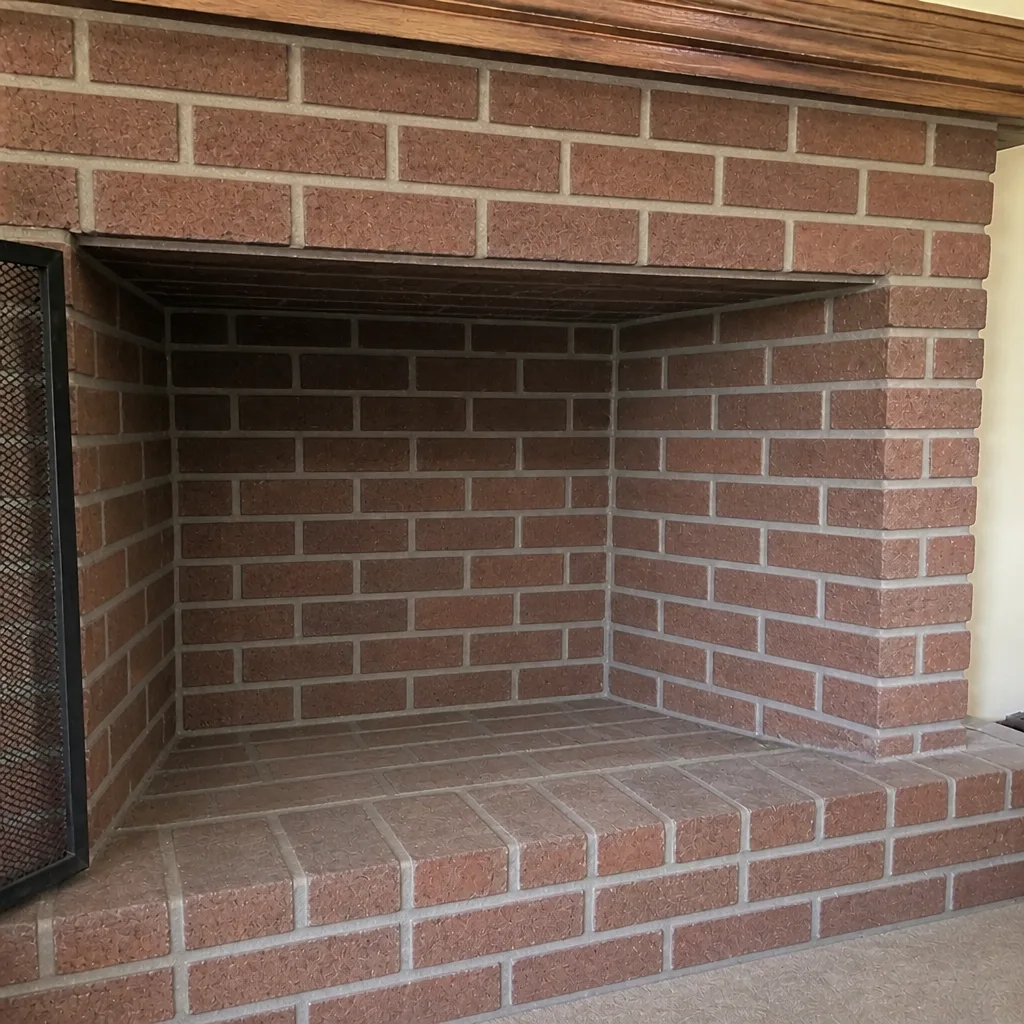
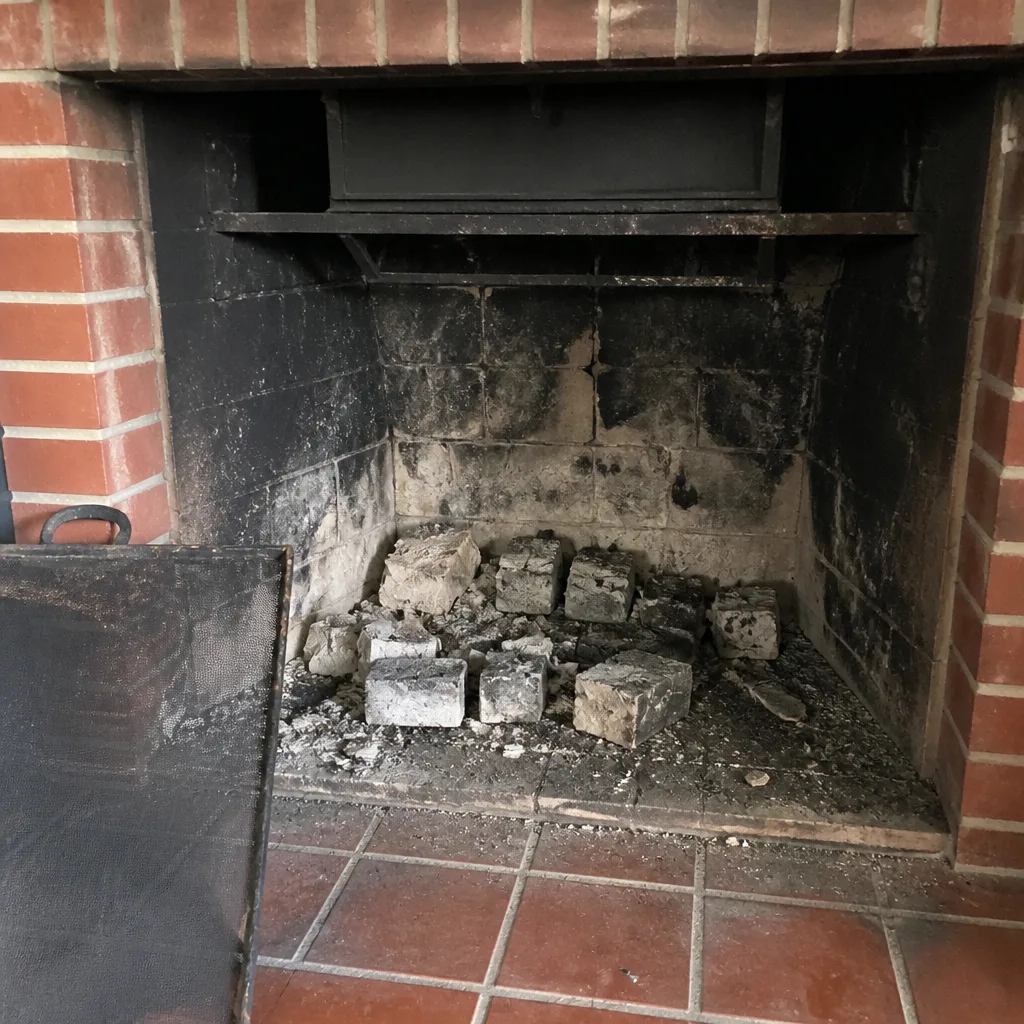
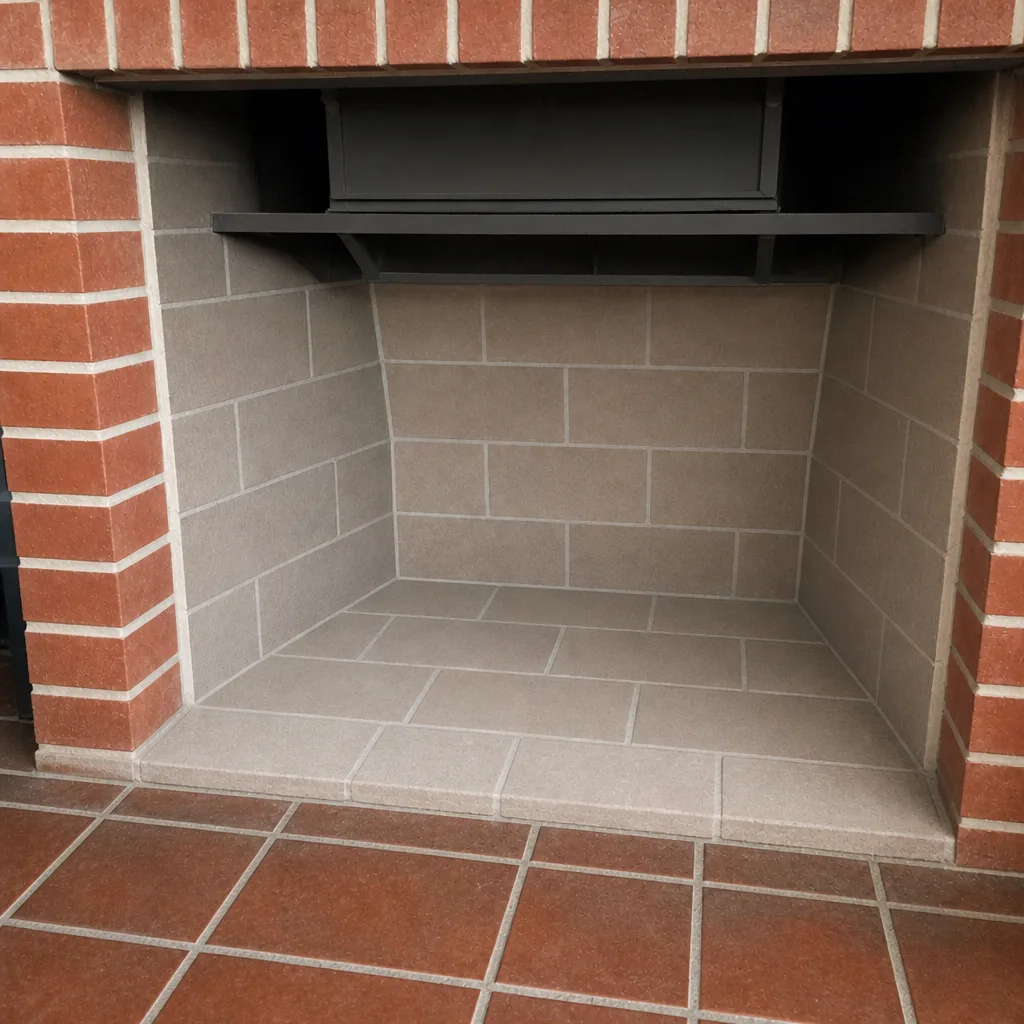
See the difference
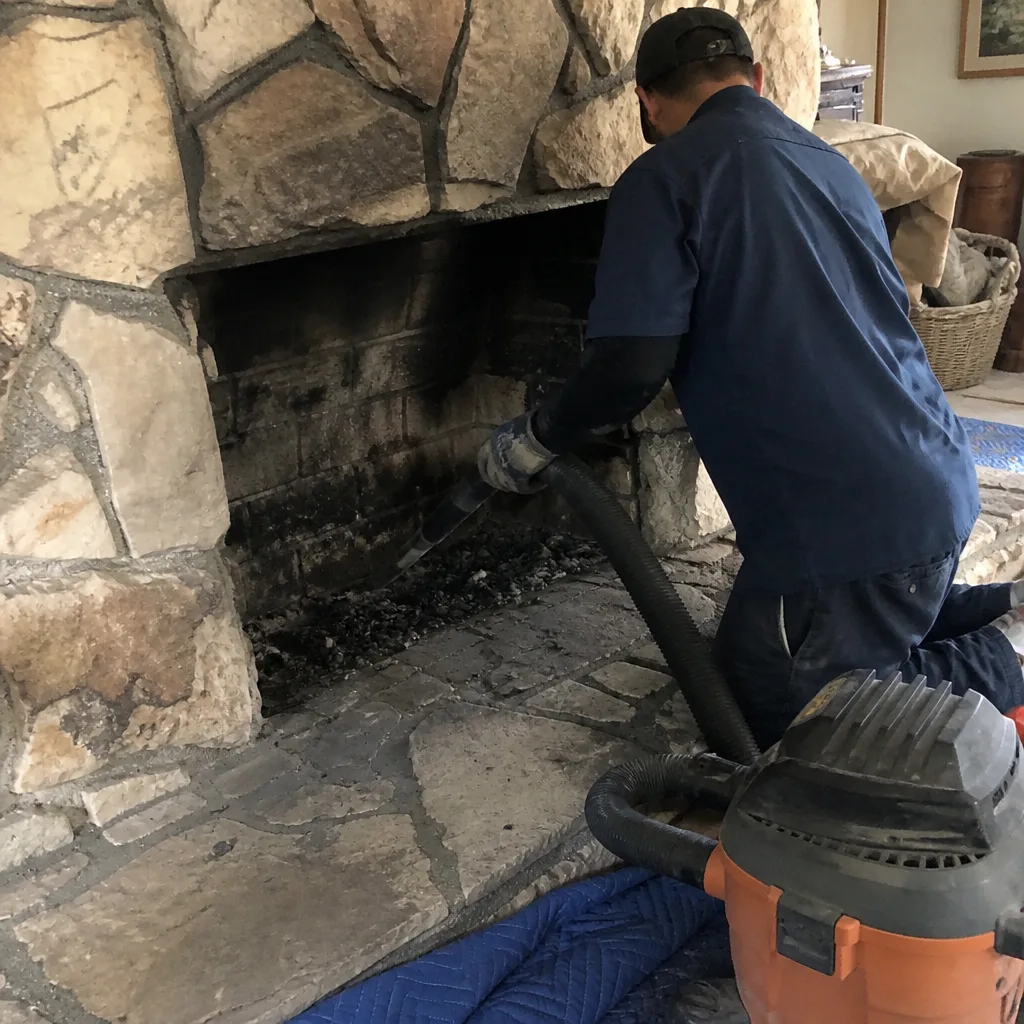 Before
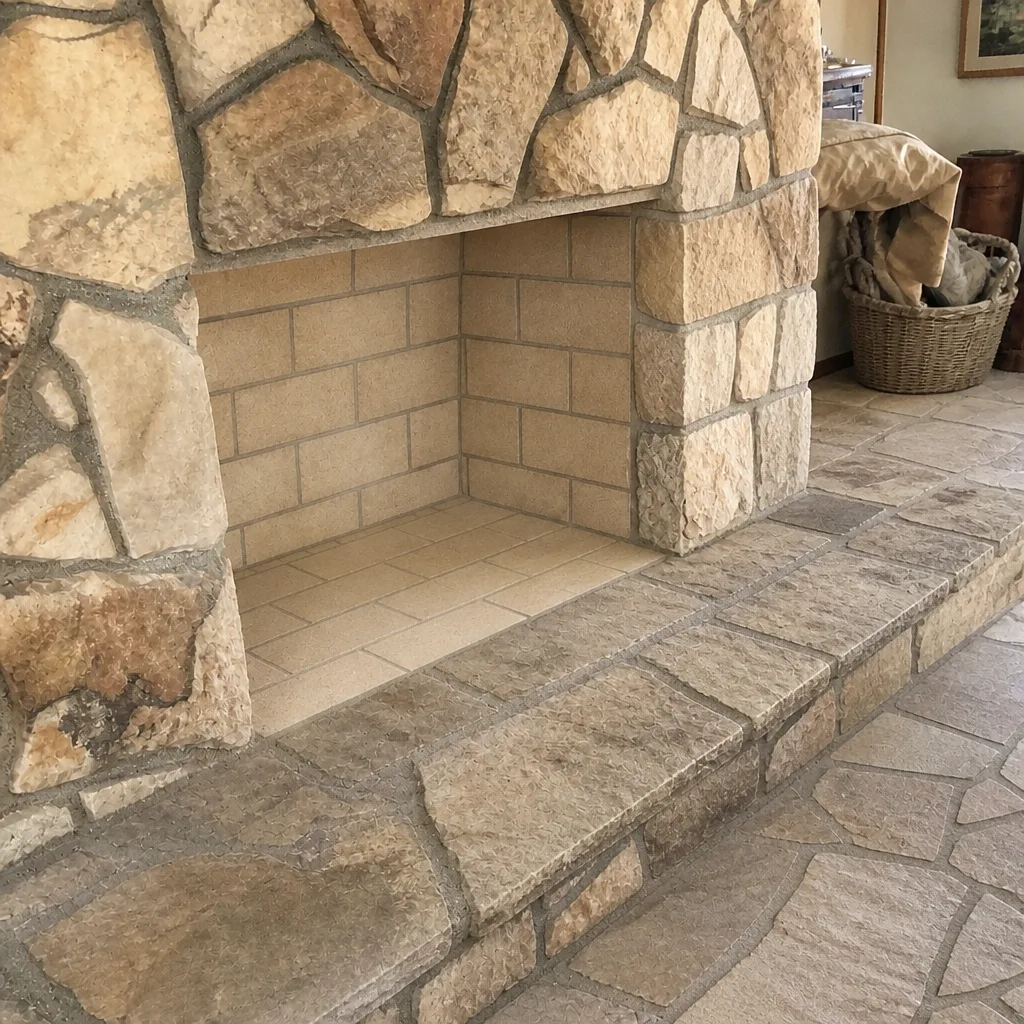 After
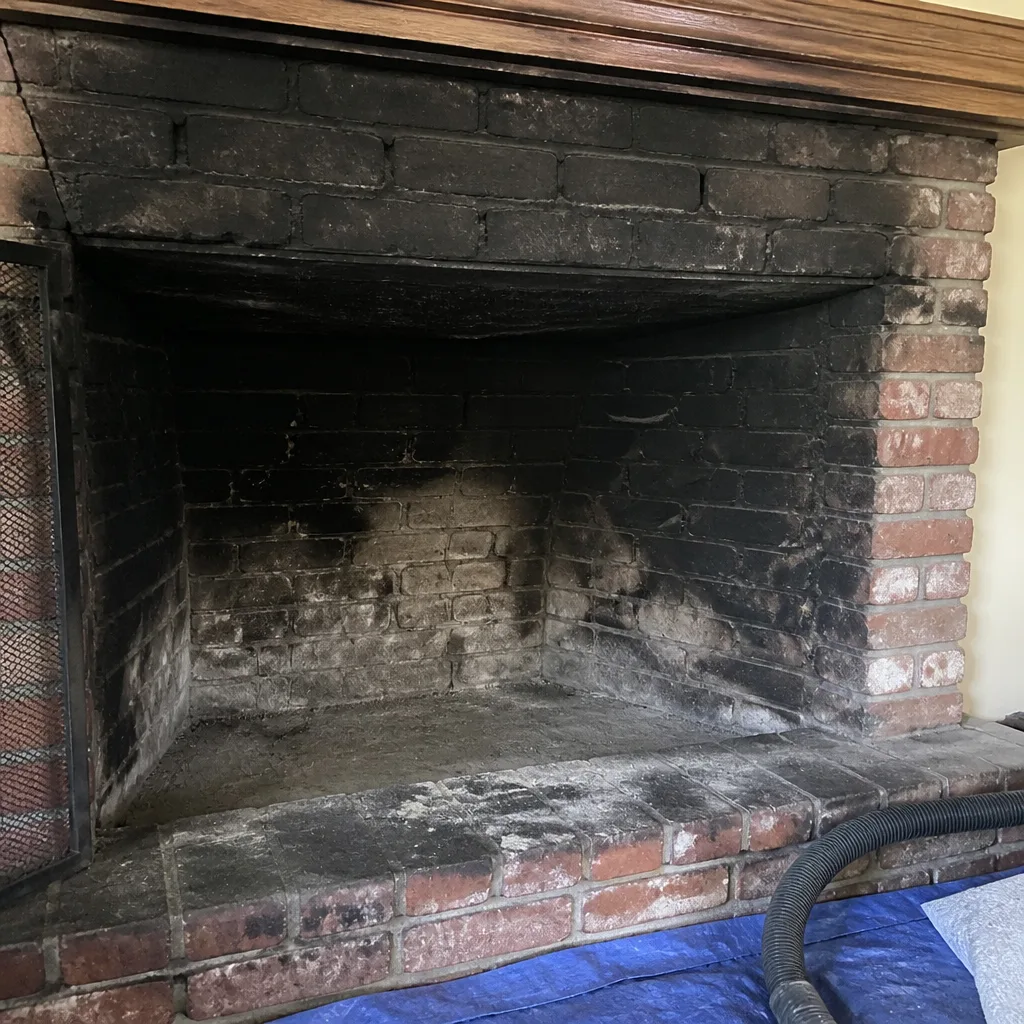 Before
 After
 Before
 After
When to Call a Professional
Some situations require a contractor now rather than later. Call a professional if you smell smoke in the living space when the fireplace is not in use, if the firebox has visible cracks or crumbling mortar, if the crown shows separation from the flue, if the cap is missing or damaged, if there is staining on the exterior chase, or if you have not had the chimney inspected within the past year. Also call if the damper does not open or close smoothly, if the fire smokes back into the room, or if you have had a chimney fire at any point, even a small one. Gas fireplaces deserve the same attention, particularly to the venting system. Our chimney inspection service is the starting point for any of these. Placentia Chimney Sweep offers free estimates in Placentia, and our technicians work with DuraFlex liner systems, HeatShield ceramic flue resurfacing, and components from Olympia Chimney, Famco, Gelco and Copperfield. Call (866) 585-7269 for a free estimate.
Frequently Asked Questions
A sweep-only operator is fine if your chimney is clean, undamaged, and well-protected, and you have a recent inspection report confirming it. A full-service contractor is the safer choice once the inspection finds anything requiring repair, because the same company documents the finding and performs the work, and there is no handoff of accountability. In Placentia, where chimneys range from original-condition older builds to newer gas fireplace installations, the more common outcome is that some repair work is needed.
Ask for a certificate of insurance naming general liability and workers’ compensation coverage, then call the insurer listed on the certificate to confirm the policy is active and the coverage dates are current. You can also verify the contractor’s license through the Contractors State License Board at cslb.ca.gov. Do both before anyone arrives, and keep copies.
It proves an individual technician has passed the CSIA’s certification exam and met its standards for training and code knowledge. It does not prove the company performs repairs in-house, carries HeatShield applicator credentials, or installs trade-grade liner materials. Treat CSIA certification as the floor, then ask the follow-up questions about scope and materials.
Yes, and you should. A contractor who documents findings will show you the flue interior, the firebox, the crown and the cap. If the recommendation comes with no photographs, ask why. The evidence trail is the difference between an inspection and a sales call.
Not always, but treat it as a question to answer. Ask what the sweep price includes, whether the inspection is bundled or separate, and what the contractor’s repair capabilities are. A low sweep price paired with a subcontracting model is a common way for the cost to climb once you are on the roof.
An annual inspection is the standard for any wood-burning or gas fireplace, and a sweep is performed when the inspection shows enough buildup or condition issues to warrant one. In Placentia’s mild climate, many households use the fireplace intermittently, which is a known condition for creosote accumulation even when use feels light. If you have not had an inspection in the past year, schedule one before the next burning season.
The Bottom Line
Hiring a chimney contractor in Placentia comes down to one question: who owns the job when the brush finds something. Verify the CSLB license and the insurance certificate before you book. Confirm the CSIA certification and the HeatShield and DuraFlex credentials if the conversation turns to repair. Demand the written inspection report. Compare materials when you compare prices, not just numbers. A sweep-only operator and a full-service contractor may charge the same for the sweep and part ways the moment the crown cracks. The full-service contractor keeps the work, the documentation and the accountability together. That is worth a longer phone call before you book.
Placentia Chimney Sweep performs chimney sweeping, chimney and fireplace repair, chimney inspections, and chimney cap and crown installation and repair. Our technicians have up to 14 years of experience. We answer 24/7. Call (866) 585-7269 for a free estimate.
Written by the team at Placentia Chimney Sweep.