
Last updated November 25, 2026
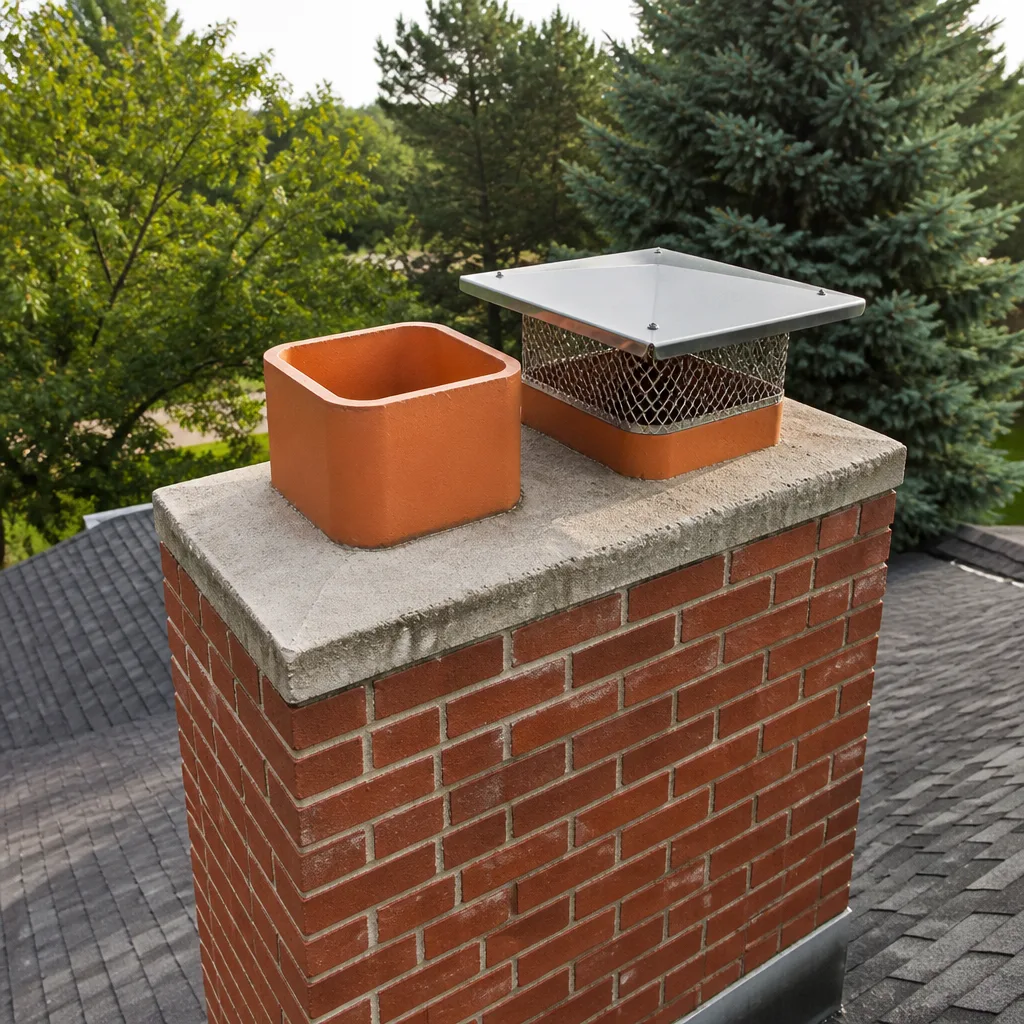 Sweep & inspection
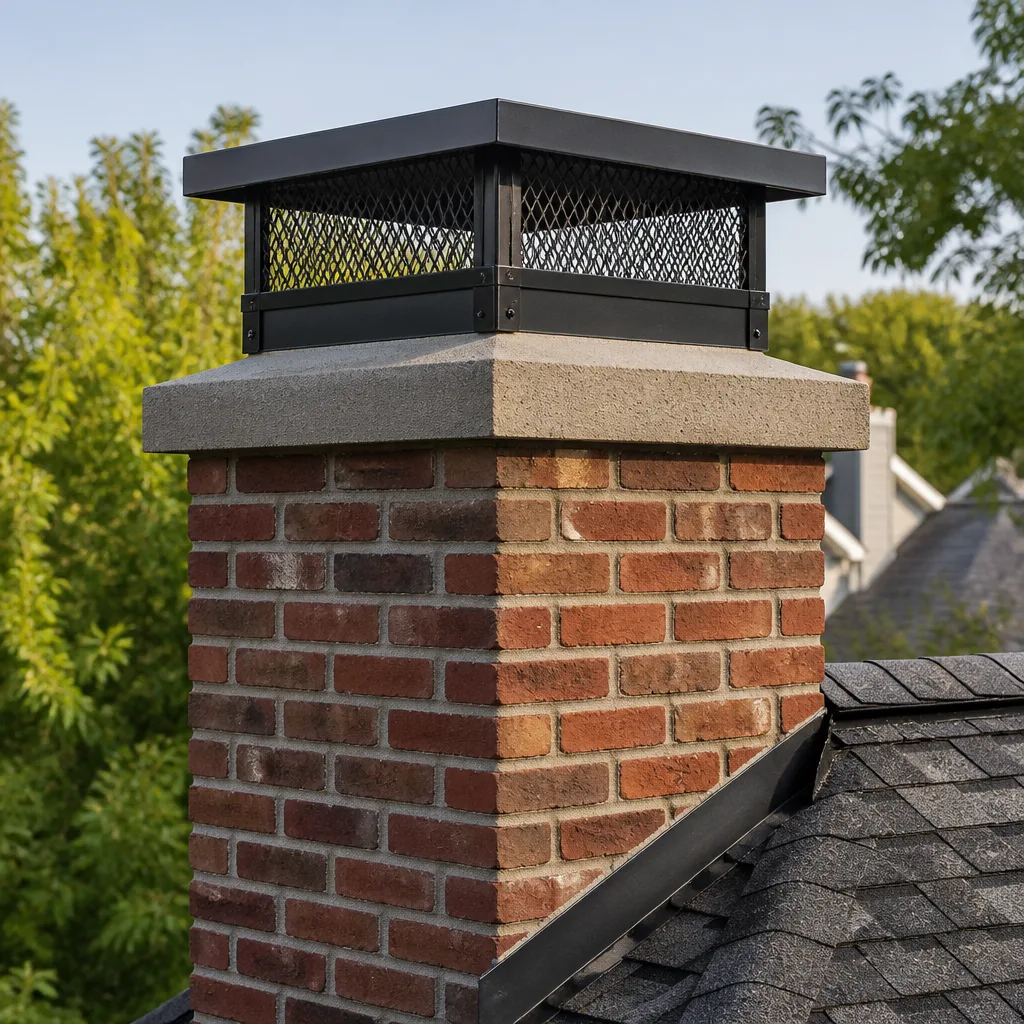 Caps & crowns
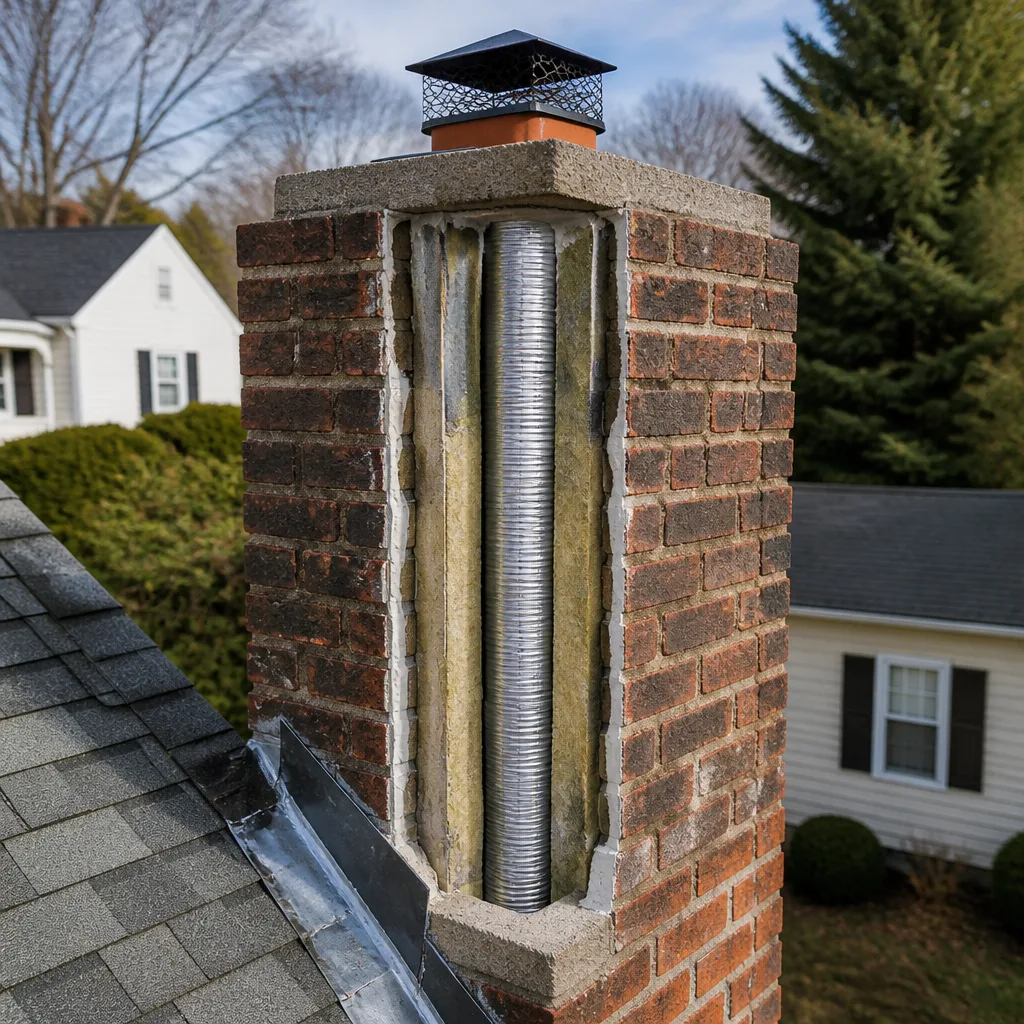 Flue relining
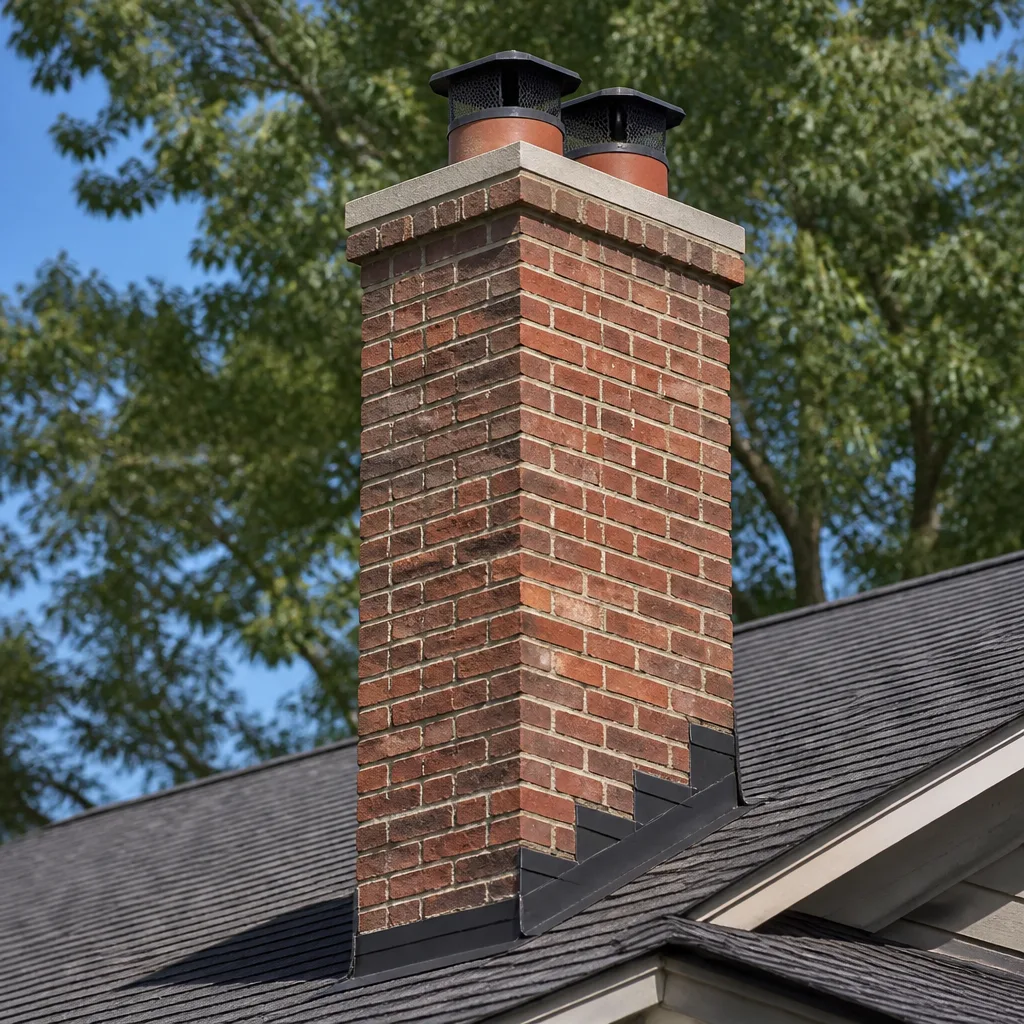 Masonry repair
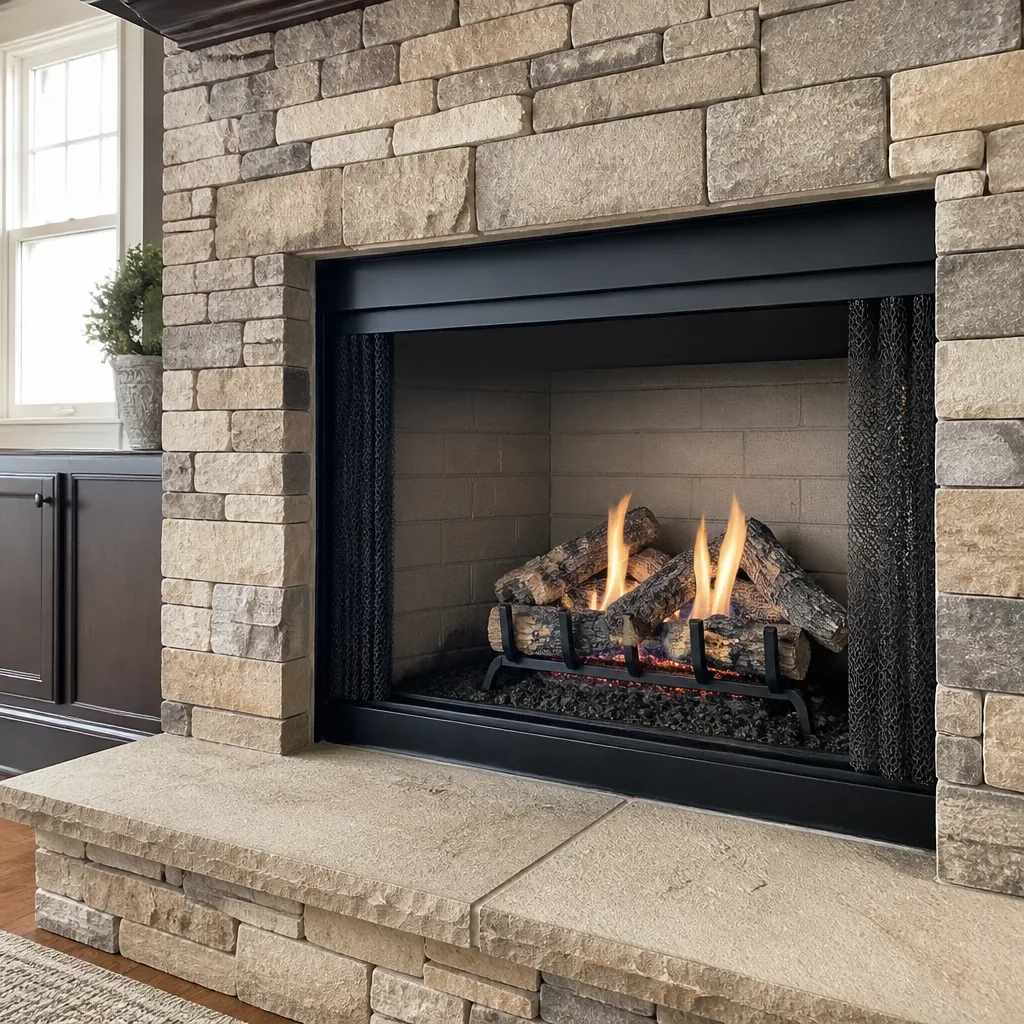 Gas fireplace service
Level 1 sweep and inspection to the NFPA 211 annual standard - flue, crown, cap, and flashing checked and photographed
Chimney sweep logs do not sweep chimneys. They loosen some creosote - which then falls where a brush and vacuum still have to collect it.
DIY vs Professional Chimney Cleaning: The Placentia Homeowner’s Decision Guide
You can physically remove creosote from a flue with a brush-and-vacuum kit from a hardware store. What you can’t do with that kit is tell stage-one soot from stage-two glaze by touch in a dark flue, and that distinction is the one that changes your fire risk from low to high. Brush contact feels the same against a light dusting of creosote as it does against a hardened, tar-like layer bonded to the flue wall. The difference requires light, a trained eye, and often a camera. This guide walks Placentia homeowners through what a DIY sweep actually accomplishes, which tasks are genuinely safe to handle yourself, where the line sits, and how the cost of going solo compares to annual professional service once you factor in equipment and the diagnostic value you don’t get.
Quick Answer
A DIY chimney sweep can clear light, stage-one creosote from an accessible flue and is reasonable for a homeowner who understands the limits. It cannot assess creosote stage, inspect the flue interior for cracks or gaps, evaluate the crown and cap for water intrusion, or produce a documented inspection record. Professional cleaning is the safer choice once a season of burning has passed, once you notice smoke rolling into the room, or any time you can’t see the full flue interior. In Placentia’s mild, dry climate, chimneys spend most of the year idle, which makes an annual inspection before burning season the single most useful step a homeowner can take.
Styles & brands we work with
- Sweep & inspection
- Caps & crowns
- Flue relining
- Masonry repair
- Gas fireplace service
Table of Contents
- What a DIY Chimney Kit Actually Accomplishes
- Tasks That Are Genuinely Safe for a Prepared Homeowner
- The Three Stages of Creosote and Why Stage Two Is a Professional Job
- Liability and the Insurance Question
- DIY Sweep vs. Annual Professional Service: A Realistic Comparison
- What a Professional Cleaning in Placentia Actually Includes
- Why Placentia’s Climate Changes the Equation
- Making the Decision: A Step-by-Step Walkthrough
What a DIY Chimney Kit Actually Accomplishes
A consumer chimney kit is built to do one thing: remove loose soot and light creosote from the flue walls by mechanical action. That’s it. The brush spins, the rods extend, and a shop vac pulls the loosened material into a bag or canister. If your flue has only a dusting of stage-one creosote after a light burning season, a kit will make the flue visually cleaner and reduce the volume of combustible material sitting on the walls.
What the kit cannot do is the part of the job that matters most. Consider what a professional sweep is actually evaluating while the brush is in the flue:
- Creosote stage. Is the deposit soft and flaky, or hard and glazed? Stage two and stage three deposits don’t brush off with consumer tools, and attempting to force them can damage the flue lining.
- Flue integrity. Cracks, gaps at joints, and spalling in a clay tile liner are hidden behind the creosote layer. A brush passes right over them.
- Obstructions. Nests, leaves, and collapsed tile fragments can sit above the smoke shelf where a brush from below won’t reach them.
- The smoke chamber and damper. These areas accumulate creosote too and are usually skipped entirely in a DIY sweep.
- The crown and cap. These live at the roofline. Water intrusion from a cracked crown is the most common cause of long-term chimney damage, and it has nothing to do with how clean the flue is.
The gap between physical removal and structural evaluation is the whole story. A DIY kit can remove material. It cannot tell you what that material was hiding, and it cannot put a documented inspection on record. For a Placentia homeowner who burns wood regularly, that omission is the difference between a swept flue and a known-safe flue.
Tasks That Are Genuinely Safe for a Prepared Homeowner
Not every chimney-related task requires a professional, and it’s worth being honest about that. A prepared homeowner with the right tools and a healthy respect for heights can handle several jobs around the firebox and at ground level. Here’s where the line sits.
Safe for a prepared homeowner
- Clearing the firebox. Remove ash, leftover wood, and debris after the burning season. Use a metal scoop and a metal container for ash. Never vacuum warm ash with a household vacuum.
- Visual cap inspection from the ground. With binoculars or a phone camera zoom, look for a missing cap, bent mesh, or bird nests at the top. A damaged cap lets water and animals in.
- Damper check. Open and close the damper by hand to confirm it moves freely and seats correctly. A damper that won’t close lets heated air escape all summer; one that won’t open is a smoke-in-the-room problem waiting to happen.
- Firebox and hearth cleanup. Sweep the hearth, check for loose mortar at the firebox joints, and note any cracks for a professional to evaluate.
- Exterior visual survey. From the ground, look at the chase and crown for staining, cracking, or missing mortar. Photograph anything that looks off.
Not safe for a homeowner
- Climbing onto the roof to inspect or clean the flue from above. Height work on a residential roof, near a hot flue termination, is a genuine fall hazard and belongs to a trained professional with the right equipment.
- Removing glazed creosote. Stage two and stage three deposits require chemical treatment or mechanical rotary tools, and forcing them with a consumer brush risks damaging the liner.
- Anything involving the flue interior beyond a light brush pass. If you can’t see the full length of the flue, you can’t evaluate it.
- Electrical, gas line, or appliance connection work at the fireplace. These are trained-professional tasks in every case.
Knowing which column you’re in is most of the decision. A Placentia homeowner who clears the firebox, checks the damper, and photographs the cap each spring is doing real preventive work. That same homeowner is not inspecting the flue, and shouldn’t pretend otherwise.
The Three Stages of Creosote and Why Stage Two Is a Professional Job
Creosote forms when wood smoke cools against the flue walls and condenses. It doesn’t arrive in one form. It builds through three distinct stages, and each one demands a different response.
Stage one: soot and light flaky creosote
This is the dusty, flaky, easily brushed deposit that accumulates after a season of burning. It’s what a consumer kit is designed for. Stage one creosote is combustible, but in small quantities and with adequate draft it’s a manageable risk. A brush pass removes most of it.
Stage two: hardened, crusty, and bonded
Stage two creosote is where the DIY approach hits a wall. The deposit hardens into a crust that bonds to the flue wall. A consumer brush skates over it. Forcing the brush can crack clay tile and score a stainless liner, and neither is a repair you want to discover after the fact. Stage two removal requires either a chemical treatment that breaks down the bond over time or a rotary tool with the right head for the liner material. This is professional-only work.
Stage three: glazed, tar-like, and the highest risk
Stage three creosote is a hard, glazed layer that looks almost like dark glass. It’s the most combustible form and the hardest to remove. In some cases, a flue with heavy stage three deposits can’t be cleaned at all, and the accurate recommendation is relining. A technician trained to read glazed deposits knows when to stop cleaning and start diagnosing, and that judgment is exactly what you’re paying for.
Why does this matter in a place like Placentia? Because our burning season is short and the shoulder months are warm. Homeowners here often burn in bursts, on cool evenings, with the damper partly closed to slow the fire. That habit produces cooler flue gases and more condensation, which is what pushes creosote from stage one toward stage two faster than a hot, continuous fire would. A homeowner who runs a few smoky fires a week through the cool months may be surprised at what’s actually on the flue wall, and can’t confirm it without a professional inspection.
Liability and the Insurance Question
This is the part of the DIY conversation almost nobody talks about, and it’s worth a straight answer. When a homeowner sweeps their own chimney, there is no third party on record saying the flue was clean, sound, and free of obstructions on a specific date. When a chimney fire or a carbon monoxide incident happens, the insurance company’s first question is whether routine maintenance was performed and documented. A professional inspection report establishes a baseline. A self-swept flue establishes nothing, which leaves the homeowner defending a decision they can’t prove was sound.
We’re not raising this to sell you anything. Plenty of homeowners sweep their own chimneys successfully for years. The point is narrower: self-certifying a flue as clean without a professional inspection on record is a real risk, and the cost of a documented annual inspection is almost always small compared to the cost of an insurance dispute after a loss.
There’s a second layer too. If a homeowner’s DIY work damages a liner, and that damage goes undetected until a later failure, the repair bill typically exceeds what an annual professional service would have cost over the same period. A cracked liner is a full relining job, not a cleaning. That’s the asymmetry: DIY saves money on the front end and can cost more on the back end, and the homeowner usually doesn’t know which side of that equation they’re on until something breaks.
The documented findings advantage
An inspection-first workflow means the technician assesses before recommending anything. Findings are documented, photographed, and dated. That record does three things a homeowner can’t do alone: it establishes maintenance history, it gives you something concrete to bring to an insurer if a claim ever happens, and it lets you see for yourself why a repair is being recommended. When the recommendation is “replace the liner” and you can see the crack in the photo, the decision is easier to make with confidence. If a technician recommends a full relining without evidence you can review, push back. In our experience, a trained eye will always show the work.
DIY Sweep vs. Annual Professional Service: A Realistic Comparison
Most DIY-versus-pro comparisons stop at the price tag on the kit. That comparison misses the actual economics, which include time, tool quality, and the diagnostic value embedded in a professional visit. Here’s the honest accounting.
What the DIY route really costs
- Kit cost. A consumer rod-and-brush kit with a shop vac attachment runs in the range of a few hundred dollars.
- Time. Setup, sweeping, and cleanup for a typical single-flue chimney takes a homeowner an afternoon the first time, less on repeat visits, plus the learning curve on rod control.
- Storage and replacement. Rods get bent, brush heads wear, and the shop vac gets repurposed. Kits don’t last indefinitely.
- What you don’t get. No creosote stage assessment. No flue integrity check. No crown and cap evaluation. No documented inspection record. No second opinion on whether a repair is actually needed.
What annual professional service includes
- Sweeping. Full-flue cleaning with rotary equipment sized to the liner material, including the smoke chamber and smoke shelf.
- Inspection. Visual assessment of the flue, firebox, damper, crown, and cap, often with a camera, with findings documented.
- Diagnosis. A trained read on creosote stage, liner condition, and whether the chimney is safe to use for the coming season.
- Repair recommendations. Only what the findings support, with photos you can review.
So which is cheaper?
Over a single year and a healthy flue, the DIY kit may cost less out of pocket. Over several years, once you account for the kit, the time, and the fact that you’re still going to need a professional inspection eventually (for insurance, for a home sale, or the first time something looks wrong), the gap narrows considerably. And if a professional inspection is what catches a developing crack in the liner or a failing crown before it turns into a full relining job, the professional visit can pay for itself several times over.
The way to think about it: a professional sweep isn’t just a cleaning you’re buying. It’s a cleaning plus a diagnostic visit. You’re paying for both. If you’re going to spend the afternoon sweeping yourself, you still need the diagnostic visit, which means you’re sweeping twice.
What a Professional Cleaning in Placentia Actually Includes
A full professional cleaning covers more of the chimney system than a DIY pass ever will. Here’s what a typical visit should cover, and what to ask for if it’s not mentioned.
- Floor and furniture protection. Drop cloths and a sealed vacuum line before any brush goes into the flue.
- Firebox and ash removal. Ash cleared and bagged before sweeping starts, so the flue floor is accessible.
- Full-flue sweep. Rotary equipment sized to the liner, from the firebox up through the flue termination.
- Smoke chamber and smoke shelf. These areas trap creosote just like the flue and are frequently skipped by DIYers.
- Damper inspection. Movement, seal, and condition.
- Crown and cap inspection. At the roofline, checking for cracked mortar, missing mesh, or a cap that’s no longer seated.
- Documentation. Findings written up and photographed, so you know the condition of the system and can plan any repair on your terms.
When a repair is warranted, the work is done with materials that are rated for the high-temperature flue environment, not generic hardware-store substitutes. Flexible stainless liner systems like DuraFlex are built for continuous contact with flue gases. HeatShield ceramic flue repair resurfacing is a recognized alternative to full relining when the liner is sound enough to be repaired rather than replaced. Parts and components come from established supply brands like Olympia Chimney and Copperfield. The material choice matters as much as the labor, and a homeowner can’t reasonably self-source trade-grade components. If you’d like to understand the full scope of what the visit covers, the chimney sweep page covers it in detail.
When the inspection turns up crown or cap damage, that work is treated the same way as the cleaning itself, not as an upsell. The crown is your chimney’s first line of defense against water damage, and a failed crown lets in water that works its way down through the masonry and into the flue. That’s a structural problem, not a cosmetic one.
Why Placentia’s Climate Changes the Equation
Placentia’s climate is mild. Most of the year is warm and dry, which means a residential chimney sits idle for months at a time. That idleness shapes how a chimney actually ages here, and it changes what a homeowner should prioritize.
First, the burning season is short and concentrated. Homeowners tend to burn in bursts rather than continuously, and bursts produce cooler flue gases and more condensation. That condensation is what drives creosote accumulation, and it’s why even a lightly used chimney can have more stage-two creosote on the walls than the homeowner expects. A homeowner in Placentia who burned maybe a dozen fires over the winter still needs an inspection before the next season.
Second, the dry season stresses the crown, not the flue. Long months without rain, followed by the occasional soaked winter, is the exact cycle that opens hairline cracks in the crown and around the cap. Water gets in during the wet months, then sits in the masonry during the dry months. Over a few cycles, that’s how a small crown crack becomes a bigger structural repair. An annual cap and crown inspection, done from the roofline, catches this before it advances.
Third, the fire risk is real but not seasonal in the way people assume. A dirty flue is a dirty flue in July as much as in January. What changes with the season is when a homeowner is likely to notice. Smoky fires, a draft that feels weaker than it used to, or a chase that shows staining after the first rains are all signals that a professional should look. If you’re noticing any of those, we’ve written about what a chimney repair visit typically involves and how to tell when a warning sign is structural rather than cosmetic.
None of this is unique to Placentia. What is specific to Placentia is the combination: mild winters, a short concentrated burning season, and the resulting pattern of creosote buildup that doesn’t match the assumptions a homeowner carries from colder climates. A homeowner from the Midwest or Northeast may expect a chimney to need aggressive cleaning after a hard winter. In Placentia, the chimney may look clean and still have the kind of deposit that requires a Rotary pass.
Making the Decision: A Step-by-Step Walkthrough
If you’re still weighing the two paths, this sequence is the one we’d recommend to a homeowner who wants a clear answer rather than a pitch.
- Start with the firebox and damper. Clear ash, check the damper, and look at the firebox joints for loose mortar or cracks. This is safe to do yourself and takes twenty minutes.
- Inspect from the ground. Photograph the cap and crown with a zoom lens. Look for staining on the exterior chase, a missing cap, or bent mesh. Note anything that looks off.
- Ask the honest question. Can you see the full length of the flue from the firebox with a light? If yes, you can do a stage-one brush pass. If no, you need a professional inspection, because the flue interior is where the problems live.
- Book the inspection if you burned through the past season. Even if your kit pass looked clean, book a professional inspection once a year. It establishes a documented baseline and catches what a brush can’t.
- Read the findings before authorizing any repair. A professional will show photos and explain what they’re seeing. Nothing should be recommended without evidence you can review. If the work can safely wait, a good technician will say so.
- Plan repairs on your timeline. Cap and crown work, liner repair, and resurfacing can usually be scheduled rather than rushed. The urgency here is seasonal, not hourly. Get it on the calendar before burning season starts.
That sequence is the difference between a clean chimney and a known-safe chimney. The first is something a homeowner can produce. The second is something only a professional visit produces, and it’s the one that counts when the season turns.
Common Mistakes to Avoid
- Sweeping without checking the cap first. A missing or damaged cap lets rain and animals in. Sweeping the flue before inspecting the cap in Placentia is putting the cart before the horse, because water damage is the more common long-term problem.
- Assuming a clear flue is a safe flue. Visual clearance doesn’t confirm liner integrity. A crack in a clay tile can sit behind a clean wall with nothing visible from below.
- Brushing glazed creosote with a consumer tool. Stage two and stage three deposits need chemical or rotary treatment. Forcing a brush can crack the liner.
- Skipping the smoke chamber. Homeowners cleaning their own flues almost always stop at the damper. The smoke chamber above it collects creosote too and needs the same attention.
- Self-certifying for insurance purposes. A homeowner’s own word is not a documented inspection. If you need a record for an insurer or a home sale, only a professional report counts.
- Burning soft, wet wood to “save money”. Unseasoned wood produces more smoke and more condensation, which accelerates creosote buildup. Burn dry, seasoned wood.
- Waiting until the chimney smokes to book an inspection. By the time smoke is rolling into the room, the flue is already restricted. Book before the season, not after the first bad fire.
The caps and crowns point is worth repeating. In a place like Placentia, the one thing homeowners consistently overlook is the top of the chimney. The flue gets swept, but the cap gets forgotten, and the crown gets ignored until staining appears on the chase. That’s backward. Cap and crown installation is protection, not decoration. It’s the piece of the system that keeps water out, and water damage is the repair most likely to escalate into something structural if it’s left alone.
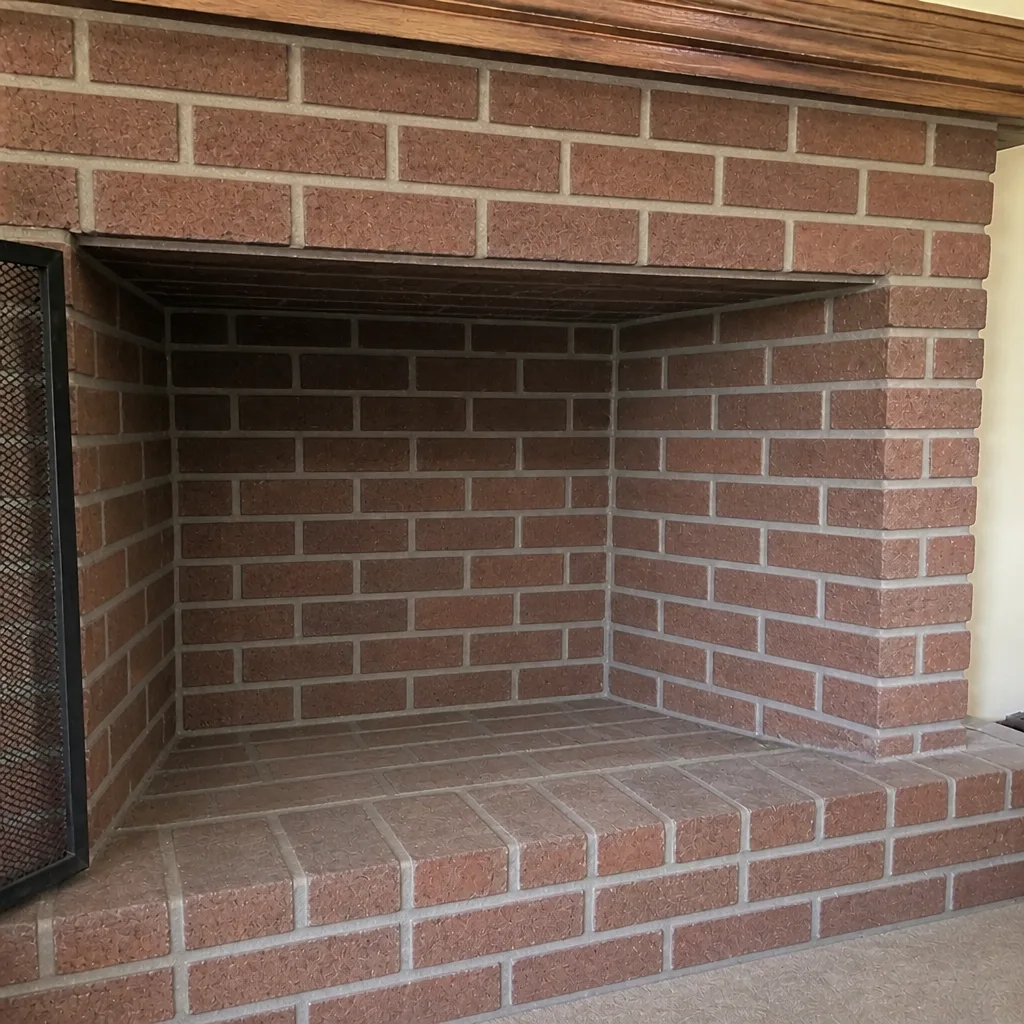
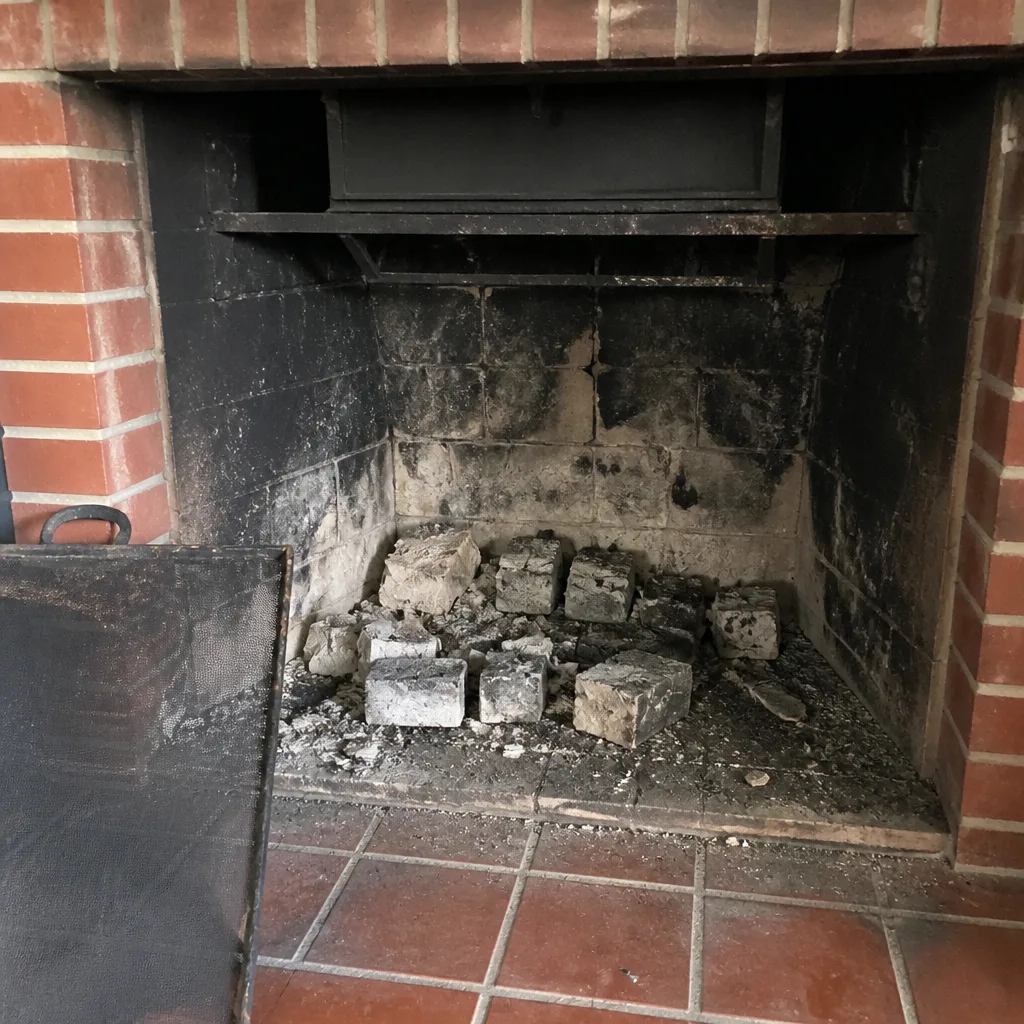
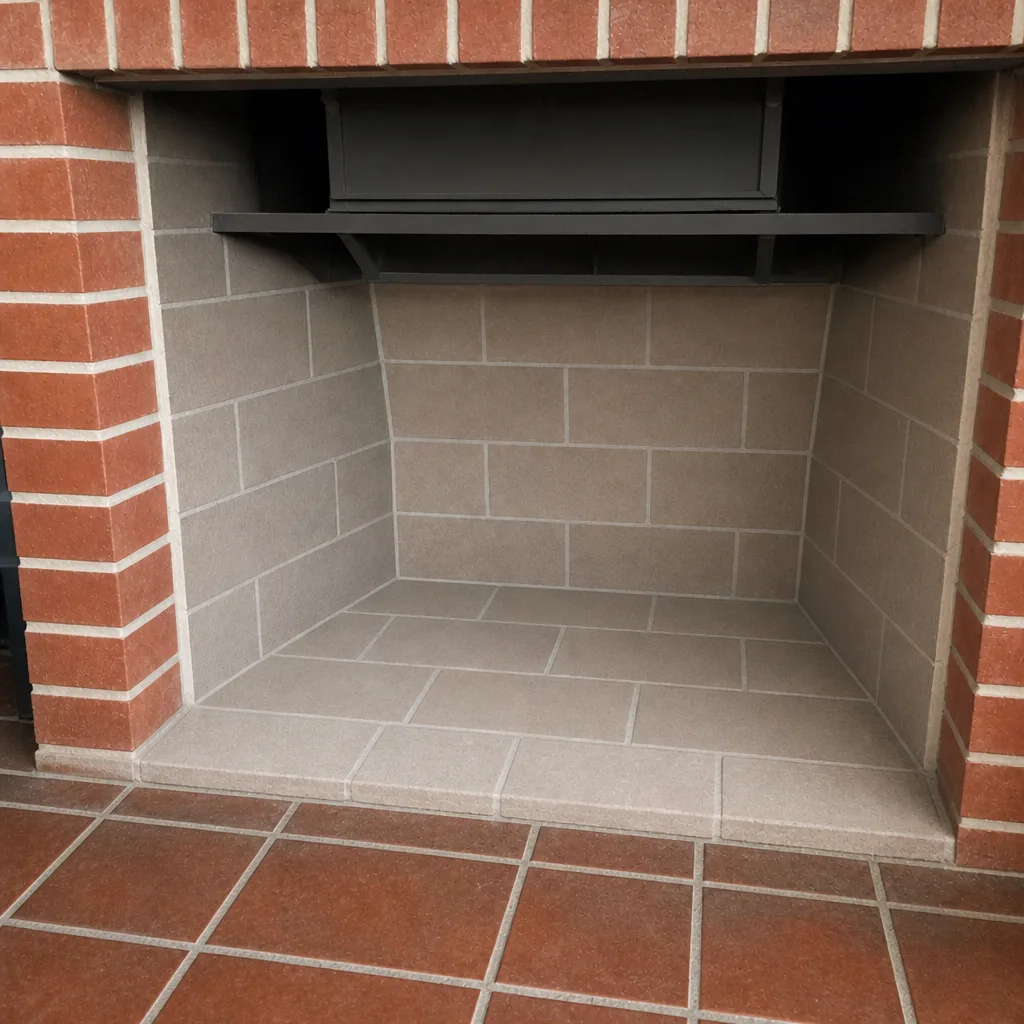
See the difference
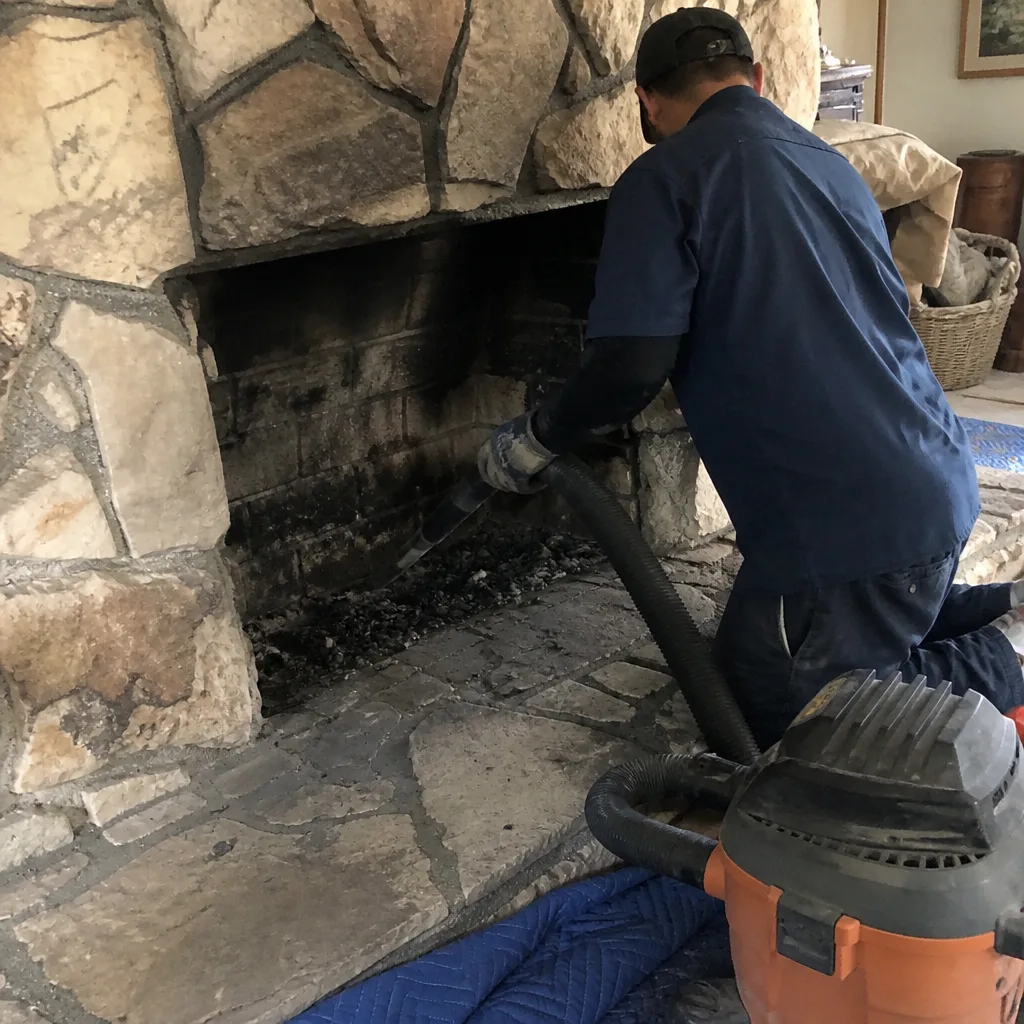 Before
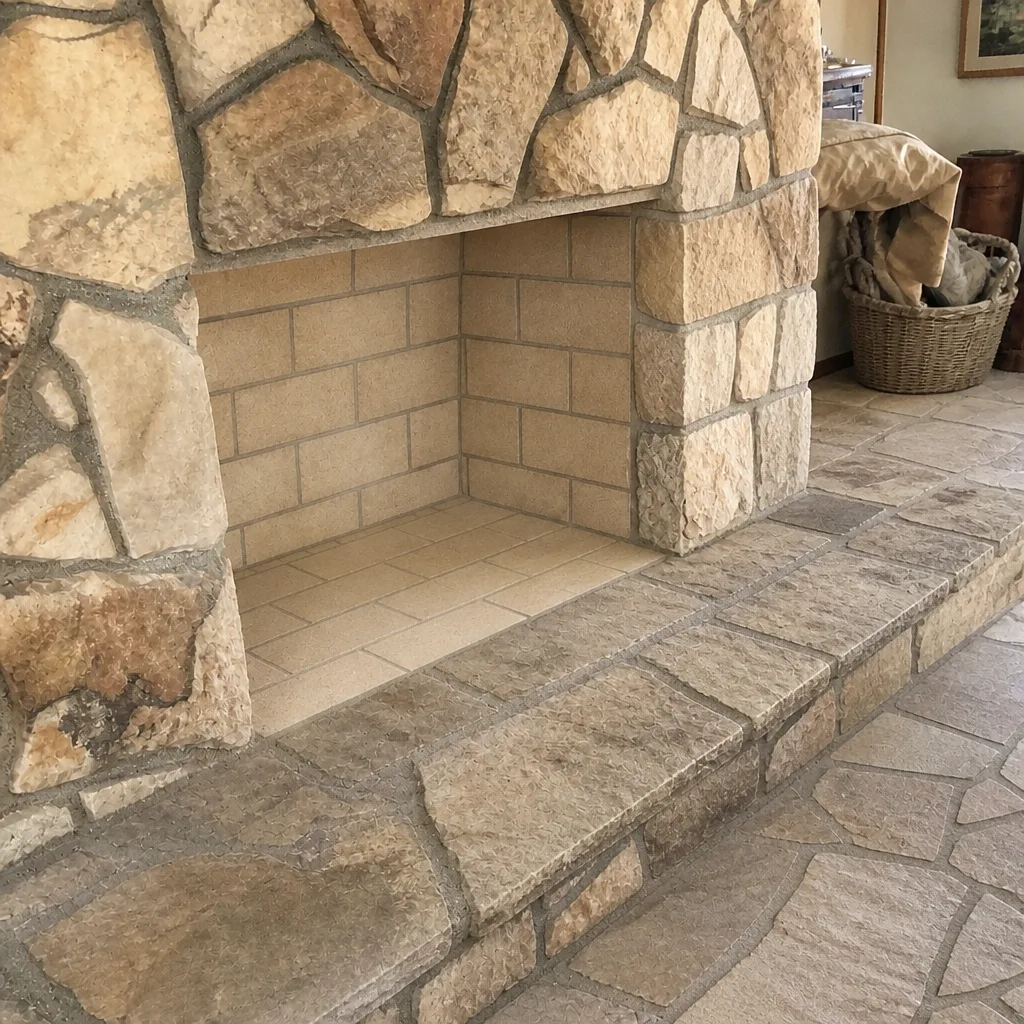 After
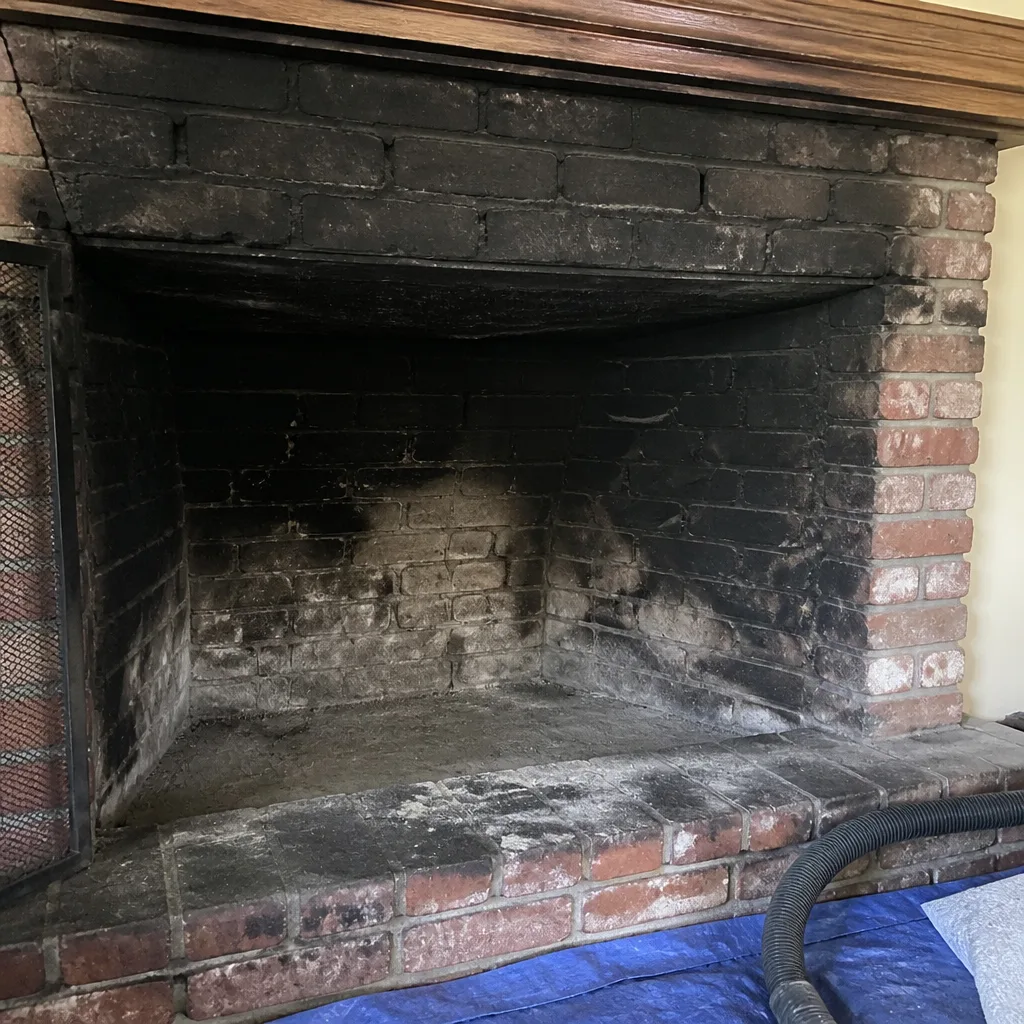 Before
 After
 Before
 After
When to Call a Professional
Call a professional in any of these situations: you’ve burned through a full season and haven’t had an inspection since; you notice smoke rolling into the room when the fire is lit; the damper won’t open or seat properly; you see staining on the exterior chase or the ceiling near the chimney; the cap is missing, damaged, or bent; the crown shows visible cracking; the firebox has loose mortar or cracks; or you smell a strong creosote odor in the room. Any of these is the point where a trained eye is worth having on the system, not just a brush in the flue.
Placentia Chimney Sweep offers free estimates in Placentia. Call (866) 585-7269. We answer 24/7. Fast dispatch from 7am to 7pm, Sunday through Friday.
Frequently Asked Questions
You can perform a light, stage-one sweep of an accessible flue with a consumer kit, and you can safely clear the firebox, check the damper, and inspect the cap from the ground. What you cannot do with a kit is assess creosote stage, inspect the flue for cracks and gaps, or produce a documented inspection record. A professional visit covers all three. Call (866) 585-7269 for an exact quote; estimates are free.
Once a year, ideally before burning season begins. Placentia’s mild climate means the chimney sits idle for months, and a short, bursty burning season can still produce enough cool-gas condensation to build creosote on the flue walls. An annual inspection catches it before the season starts, and it establishes the maintenance record that matters for insurance.
Stage one is soft, flaky, and easily brushed away; it’s what a consumer kit is designed to remove. Stage two is hardened and bonded to the flue wall, and brushing with a consumer tool won’t remove it, or worse, can damage the liner. Stage-two removal requires chemical treatment or rotary tools, which is professional work. A trained technician can tell the two apart by touch and by sight in a lit flue.
You don’t need it to buy insurance, but you need it if a chimney fire or carbon monoxide incident ever produces a claim. An inspection report establishes that the system was in known condition on a specific date. A self-swept flue establishes nothing the homeowner can point to. When the recommendation is a repair rather than a cleaning, ask to see the photos before authorizing anything.
No. Professional rotary equipment is sized to the liner material, and a trained technician adjusts the tool and the technique for the flue at hand. The risk of liner damage is higher with DIY work, where a consumer brush can crack clay tile or score a stainless liner when forced against hardened creosote. If your liner turns out to be in poor condition, the repair path may be a flexible stainless system like DuraFlex, or HeatShield ceramic resurfacing for a liner that’s compromised but still structurally sound.
You should see camera footage or photos of the actual condition being diagnosed. Nothing we recommend is presented without documented findings you can review for yourself, and we’ll say plainly when a repair can safely wait. The urgency here is seasonal, not hourly, so there’s room to plan. Call (866) 585-7269 for an exact quote; estimates are free.
The Bottom Line
DIY chimney cleaning isn’t risky because homeowners lack competence. It’s risky because the flue is a place where the difference between clean and safe requires equipment and pattern recognition that a brush-and-vacuum kit doesn’t provide. A homeowner can safely clear the firebox, check the damper, and photograph the cap. A homeowner cannot read creosote stage, evaluate liner integrity, or put a documented inspection on record. In Placentia, where a mild climate and a short, bursty burning season create the exact conditions for hidden creosote buildup, an annual professional inspection is the single most useful step a homeowner can take. It’s the diagnostic value, not the brushing, that matters.
If you’re ready to establish a baseline or you’ve noticed a warning sign, we can help. Placentia Chimney Sweep handles the whole system: chimney sweep, chimney inspection, fireplace repair, chimney repair, and chimney cap and crown. If the inspection turns up something in the firebox or the surround, our fireplace repair service covers that work under the same visit. And every recommendation comes with documented findings, not guesswork.
Placentia Chimney Sweep is ready when you are. Call (866) 585-7269 for a free estimate. We answer 24/7. Fast dispatch from 7am to 7pm, Sunday through Friday.
Written by the team at Placentia Chimney Sweep.