
Last updated November 25, 2026
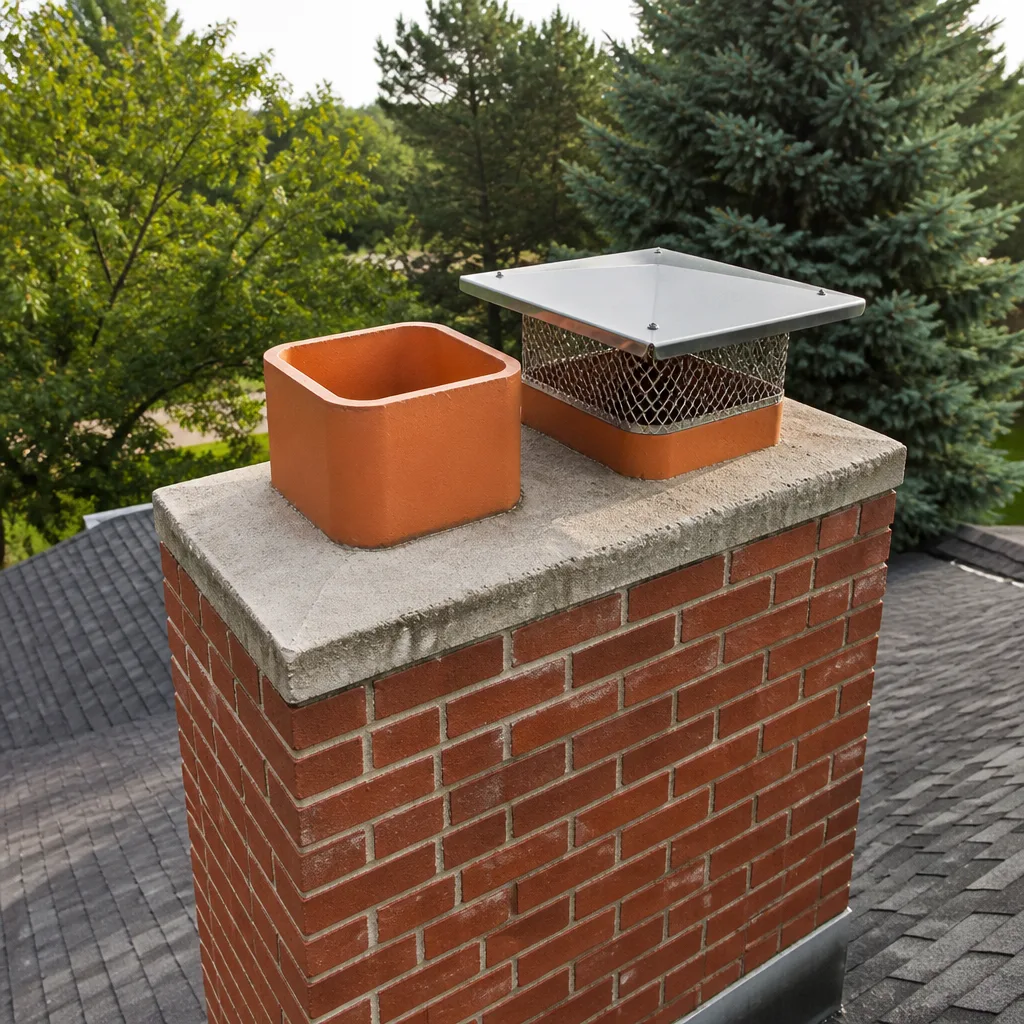 Sweep & inspection
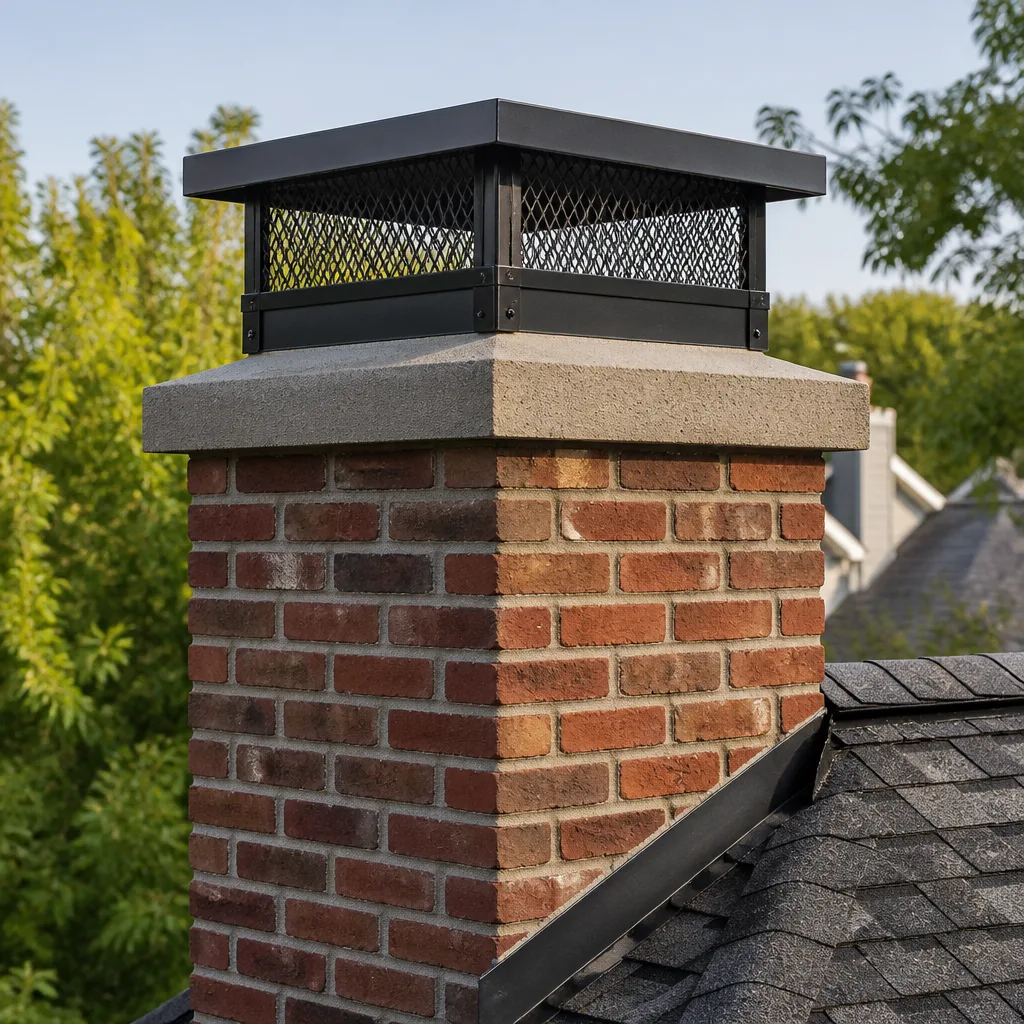 Caps & crowns
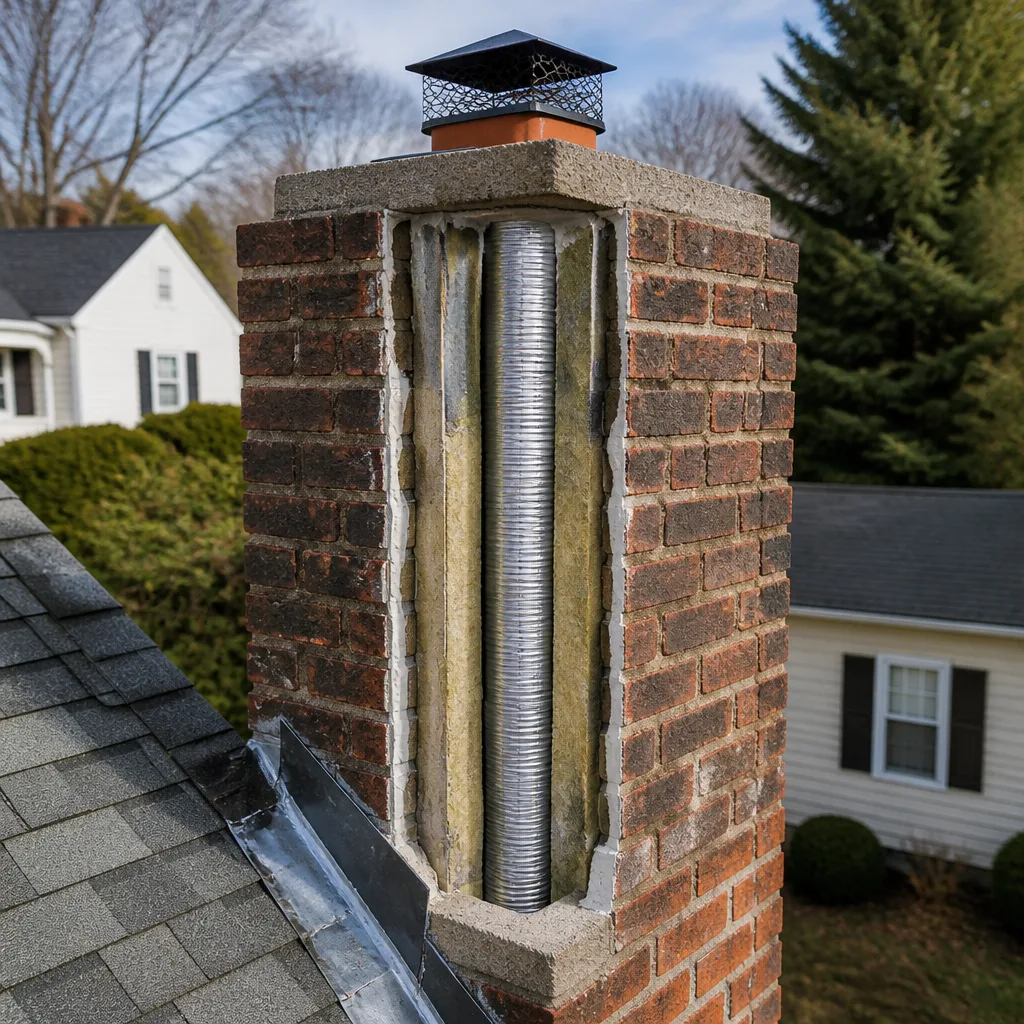 Flue relining
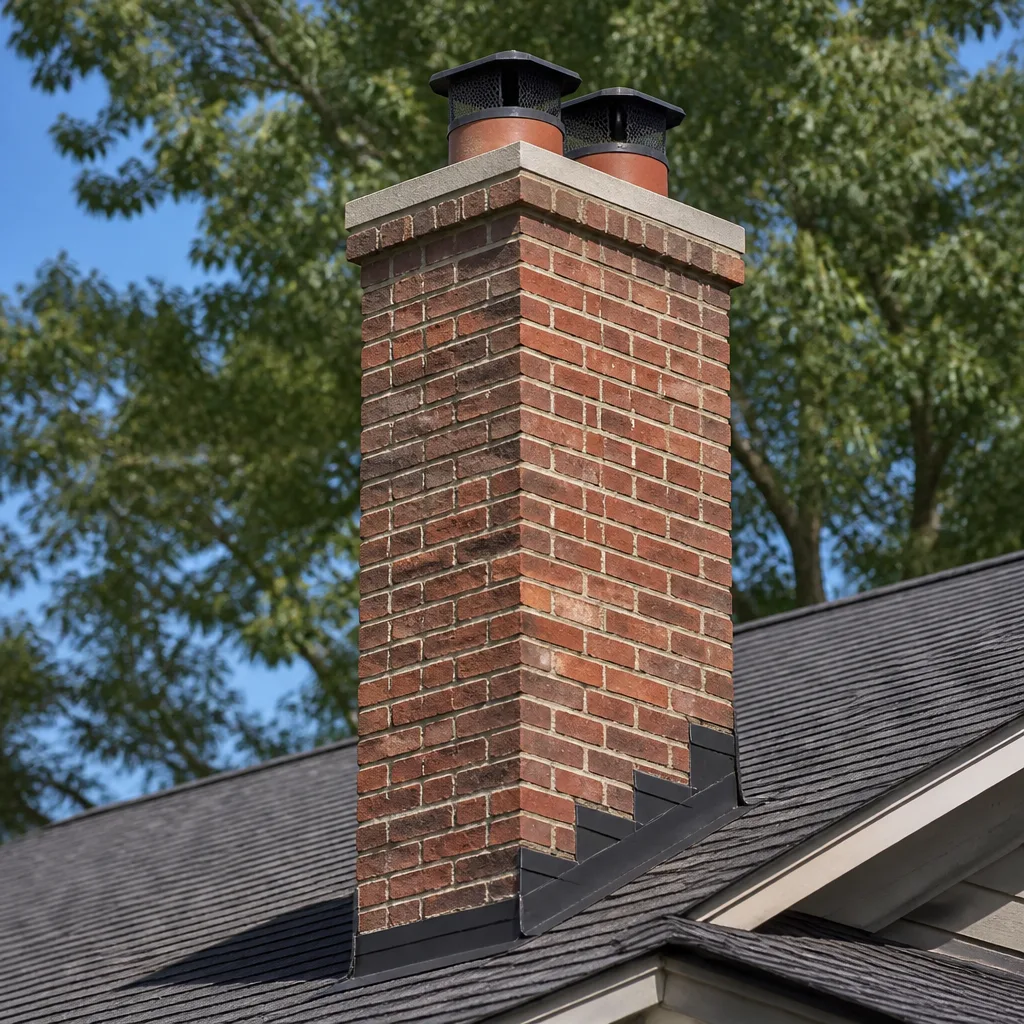 Masonry repair
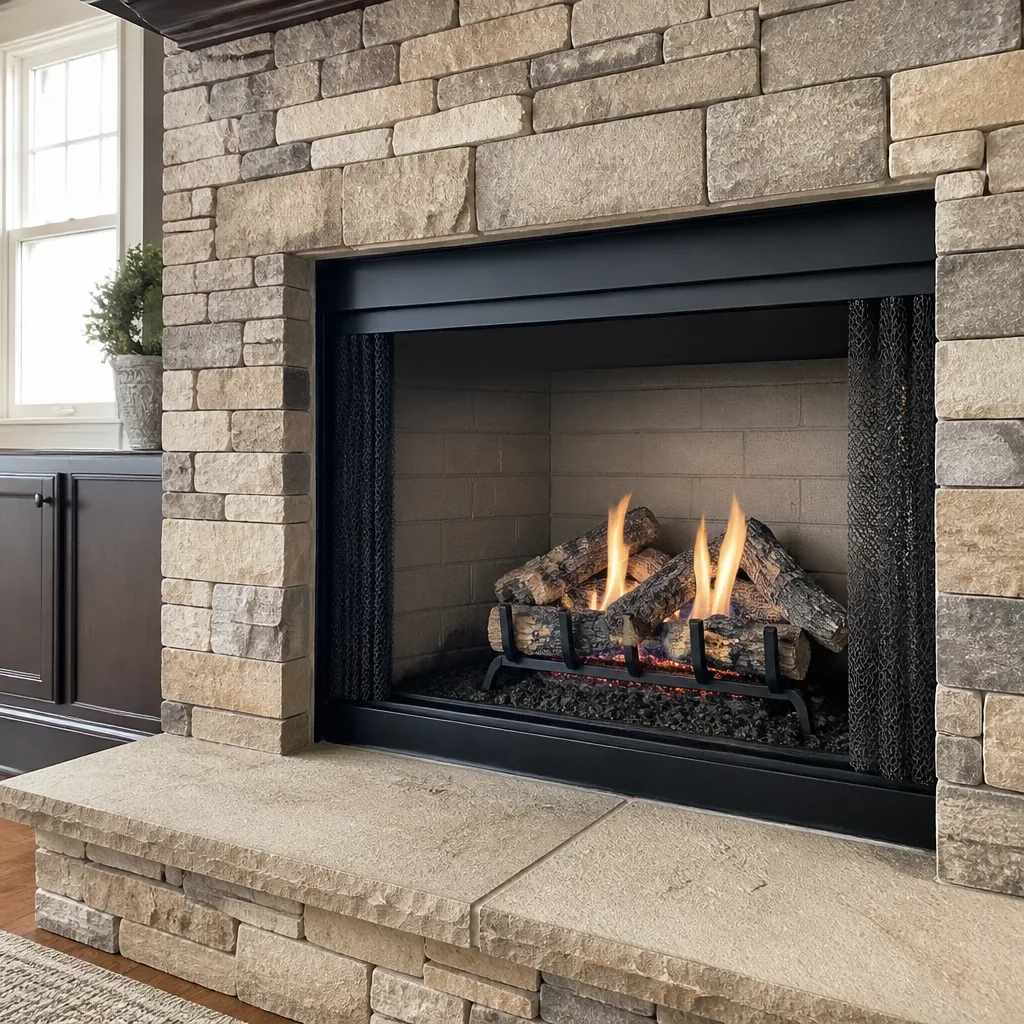 Gas fireplace service
Level 1 sweep and inspection to the NFPA 211 annual standard - flue, crown, cap, and flashing checked and photographed
Chimney sweep logs do not sweep chimneys. They loosen some creosote - which then falls where a brush and vacuum still have to collect it.
The Complete Guide to Chimney Cleaning in Placentia
Most chimney fires we’re called out to assess weren’t caused by homeowners who never cleaned their flues. They were caused by cleanings that removed the loose, fluffy creosote and left the hard, glazed layer fused to the flue wall untouched. That distinction matters enormously in Placentia, because the way homes here burn fires produces exactly the kind of creosote a quick brush-and-go sweep misses. Chimney cleaning in Placentia isn’t one task; it’s a sequence of inspection, diagnosis, cleaning and repair planning. This guide walks through that whole sequence, so you know what a real cleaning involves, what a report should tell you, and when a recommendation is worth authorizing.
Quick Answer
Chimney cleaning in Placentia is a two-part job: a camera-assisted inspection that documents the flue’s condition, followed by a cleaning matched to the type and stage of creosote present. A standard sweep handles loose stage-one creosote, but glazed stage-two creosote common in Southern California’s short burn seasons requires more aggressive removal and often a follow-up repair decision, such as HeatShield ceramic resurfacing or a DuraFlex liner. Skipping the diagnostic half is why many Placentia homes end up with the same problem the next season.
Styles & brands we work with
- Sweep & inspection
- Caps & crowns
- Flue relining
- Masonry repair
- Gas fireplace service
Table of Contents
- Why Chimney Cleaning in Placentia Isn’t a Standard Sweep
- How Short Burn Seasons Build Glazed Creosote
- Level 1, 2 and 3 Inspections Explained
- How to Read a Cleaning Report
- Eucalyptus, Pine and What They Do to Your Flue
- What Full-Cycle Chimney Service Actually Means
- The Crown and Cap: Protection Before Cleaning
- How Often Placentia Homes Need Cleaning
Why Chimney Cleaning in Placentia Isn’t a Standard Sweep
Placentia sits in Orange County’s inland basin, where winters are mild and the burning season is short. Many households light the fireplace for a handful of cool evenings in December and January, then let it sit until the next year. That pattern is harder on a flue than a long, cold-climate burn season, and it changes what a cleaning actually needs to accomplish here.
When a fire burns hot and long, it tends to consume much of its own creosote before it hardens. Short, cool, smoldering fires do the opposite. They deposit creosote that never gets hot enough to burn off, and repeated deposits bake into a glaze over time. A brush removes the soft material on top; the glaze stays. That’s the layer that fuels chimney fires, and it’s the layer a cursory sweep leaves behind.
Homes in Placentia also present a mix of chimney types: older masonry chimneys with clay tile liners, and newer construction with factory-built metal flues. Each needs a different cleaning approach and a different inspection method. A masonry flue with a cracked tile joint is a different problem than a metal flue with a failed joint seal, and the cleaning plan should reflect that.
So when we talk about chimney cleaning in Placentia, the starting point is never a brush. It’s a look. Cleaning without knowing what’s in the flue is how homeowners get a tidy-looking firebox and the same problem next season. The diagnostic step is not an upsell; it’s the part that makes the cleaning count.
That’s also why we treat the whole chimney system – flue, firebox, crown, cap and chase – as one unit during a visit. A crown crack that lets water into the masonry can undo a perfectly good cleaning by softening the mortar around the flue tiles. Cleaning and structural checks belong in the same appointment, not separated by months.
How Short Burn Seasons Build Glazed Creosote
Creosote forms in three broad stages, and understanding them is the key to knowing what kind of cleaning your Placentia home actually needs.
- Stage one: Soot and flaky, dusty creosote. Light, easy to brush away. This is what a standard sweep removes and what most people picture when they think of chimney cleaning.
- Stage two: Hard, brittle, glazed creosote bonded to the flue wall. A standard brush passes right over it. It takes mechanical agitation, chemical treatment or both to remove.
- Stage three: A thick, tar-like glaze that has built up over multiple seasons. This is the most difficult to remove and often signals that the flue needs repair or relining after cleaning.
Long, hot fires in cold climates produce more stage-one creosote and less glaze, because the heat keeps the flue temperature high enough to consume deposits. Placentia’s short, mild burn season does the opposite. Fires are often small, infrequent and smoldering, which is the recipe for stage-two and stage-three glaze. A household that burns a dozen fires a year can build more problematic creosote than a household in a colder state that burns fifty.
The practical takeaway: a Placentia home with a few seasons of casual fires can be a harder cleaning job than its light use suggests. Frequency should be based on what’s in the flue, not on how often the fireplace was used. That’s why the inspection comes first and the cleaning schedule follows from the findings.
Level 1, 2 and 3 Inspections Explained
Chimney inspections are categorized in three levels, and each answers a different question. Knowing which one applies to your situation is the difference between a thorough assessment and a superficial one.
- Level 1: A visual check of the accessible portions of the chimney and firebox, without special tools. This is the routine inspection for a chimney that’s in known good condition and hasn’t changed. It’s appropriate for a household that’s been maintaining the flue regularly and is just due for a cleaning.
- Level 2: A more thorough inspection that includes a camera scan of the flue interior, accessible portions of the attic and crawl space, and a check of the chimney’s exterior. This is the level that applies after a home purchase, a change in fuel type, a flue liner replacement, an earthquake or a major repair. It’s also the right level whenever there’s a suspected problem you can’t see from the firebox.
- Level 3: The most invasive inspection, used when a Level 2 finds a serious defect that requires access to concealed areas – removing a section of the chimney or wall to look behind it. This is rare and only warranted when the findings justify it.
For most Placentia homeowners, the honest answer is that a Level 2 inspection applies at two moments: after buying a house, and after any remodel that touched the fireplace or chimney. A home purchased in Placentia’s older neighborhoods, with a masonry chimney that may not have been inspected in years, is exactly the situation a Level 2 was designed for. A Level 1 is fine for routine maintenance on a chimney whose history you know.
The mistake we see most often is a homeowner who buys a house and gets a quick visual check, then assumes the flue is sound. The camera scan is what finds the cracked tile, the failed joint or the separated liner that a visual check can’t reach.
How to Read a Cleaning Report
A cleaning report is the record of what was found and what was done. It’s also the tool that lets you verify a recommendation instead of taking it on faith. A thorough report reads like a walkthrough; a cursory one is a single line and a price.
Here’s what a documented cleaning includes:
- Before-and-after photos of the flue interior, taken with a camera, so you can see the creosote and the cleaned surface for yourself.
- The creosote stage observed, described in plain terms – soot, glazed, or heavy tar – and whether it was fully removed.
- Condition notes on the flue liner: cracks, gaps, spalling, or joint separation, with the location noted.
- Findings on the crown, cap and chase, including water staining, cracks or missing components.
- A clear recommendation on what, if anything, needs repair, and whether it can safely wait.
What a cursory report glosses over: it lists the sweep as done, names a price for “repairs needed” without showing you why, and leaves you with no evidence to evaluate. That’s the report style that makes homeowners hesitant – and rightly so. Our standard is that nothing gets recommended without a camera photo you can see, and we say plainly when a repair can wait until next season. A cleaning report should give you the information to make a decision, not pressure you into one.
Read the report with two questions in mind: what did they actually see, and how do I know? If the report can’t answer both, ask for the photos. A legitimate finding always has one.
Eucalyptus, Pine and What They Do to Your Flue
Firewood matters to chimney cleaning more than most homeowners realize. The two woods Placentia households reach for most often – eucalyptus and pine – both accelerate creosote accumulation, though for different reasons.
Pine is a softwood with a high resin content. It lights easily and burns hot and fast, but it also deposits more creosote per cord than denser hardwoods. The resinous smoke condenses on cooler flue surfaces and builds up quickly, especially when the fire is smoldering rather than burning cleanly. Eucalyptus, common across Southern California, is dense and burns hot, but it also produces significant sap and oil that contribute to creosote deposits and can leave a sticky residue in the flue. Neither wood is a reason to avoid the fireplace, but both are a reason to inspect more often than you might otherwise.
What that means in practice for a Placentia home: if eucalyptus or pine is your primary firewood, plan on an annual inspection rather than stretching it to every other year. The cleaning frequency should be driven by what the camera finds, and these woods tend to fill a flue faster than oak or almond. Seasoning the wood properly – drying it before burning – reduces the moisture content and cuts down on the smoldering that builds glaze.
The other factor is how the fire is managed. Small, hot fires with plenty of air burn cleaner than large, damped-down fires. A fire that smolders through the evening leaves a heavier deposit than one that burns bright and finishes. Wood choice and fire management together determine how fast a Placentia flue loads up, and both are worth adjusting before the next burn season.
What Full-Cycle Chimney Service Actually Means
A full-cycle chimney service covers the entire sequence in one engagement: inspection, cleaning, and the repair authorization that follows from the findings. The alternative – and the one most Placentia homeowners have experienced – is scheduling three separate contractors for three separate visits, each one discovering the previous one’s work and recommending something else.
Here’s how the full cycle plays out in a single visit:
- Inspect: A camera scan of the flue, plus a check of the firebox, crown, cap and chase. Findings documented with photos.
- Clean: Removal of the creosote present, matched to its stage – brush for soot, mechanical or chemical treatment for glaze.
- Recheck: A second camera pass after cleaning to confirm what was removed and what remains. Glazed creosote can hide liner defects that only show once the surface is clear.
- Recommend and authorize: Repair findings presented with evidence, and the homeowner decides what to authorize now versus what can wait. Liner work, crown repair, cap replacement and firebox repair all fall within the same visit’s scope.
The advantage isn’t just convenience. It’s accountability: one contractor sees the whole system and answers for the whole result. When the inspection, the cleaning and the repair are handled by different people, findings get lost between visits and recommendations multiply. Full-cycle service means the person who cleaned the flue is the one who documented its condition and the one who fixes what needs fixing.
That’s also why we handle fireplace repair and chimney repair alongside the sweep itself. A firebox with cracked mortar or a damaged damper is part of the same system as the flue, and treating it separately is how small issues become structural ones.
The Crown and Cap: Protection Before Cleaning
The crown is the concrete or mortar cap at the top of a masonry chimney, and the chimney cap is the cover that sits over the flue opening. Together they’re the chimney’s first line of defense against water damage, and they’re as important as the cleaning itself. A clean flue under a cracked crown is a flue waiting to be ruined.
Water is the most common cause of chimney deterioration in Placentia. Rain that gets past a failed crown or a missing cap soaks into the masonry, softens the mortar around the flue tiles and, over repeated wet-and-dry cycles, spalls the brick. The result is a structural problem that has nothing to do with creosote and everything to do with the top of the chimney.
What to check on your own chimney:
- Crown cracks: Visible cracks in the concrete crown, especially where it meets the flue, let water in.
- Missing or damaged cap: A cap that’s absent, loose or rusted through lets rain and animals into the flue.
- Chase staining: Dark streaks or efflorescence on the exterior of the chimney chase can indicate water penetration.
- Loose flashing: The metal flashing where the chimney meets the roof is a common leak point.
Crown and cap work is a core part of what we do, not an add-on. During a cleaning visit, we check both and document their condition. If the crown needs repair or the cap needs replacement, we use trade-grade components from brands like Olympia Chimney and Gelco, rated for the chimney’s exposure. When the crown is sound and the cap is intact, that’s one less reason for the next cleaning to find a bigger problem.
How Often Placentia Homes Need Cleaning
The general rule of thumb is an annual inspection, with cleaning as the inspection indicates. In Placentia, that rule holds and often tightens for homes burning eucalyptus or pine. A flue that looks fine from the firebox can hold a season’s worth of glaze that only a camera will find.
The signals that it’s time, regardless of the calendar:
- A smoky firebox or smoke rolling back into the room instead of up the flue.
- A strong, acrid odor from the fireplace, especially in warmer months.
- Visible creosote buildup on the damper or firebox walls.
- A cap that’s missing, damaged or clogged with debris.
- Staining on the chimney chase or cracks in the crown.
- A home purchase or remodel since the last inspection.
For a household burning a dozen or so fires a year on seasoned hardwood, an annual inspection is usually enough, with cleaning every year or two depending on findings. For a household burning pine or eucalyptus regularly, plan on cleaning every year, and don’t stretch it. The cost of a cleaning is far below the cost of relining a flue damaged by a chimney fire or water intrusion.
The frequency question is really a question about what’s in the flue, and the only way to answer it is to look. That’s why we build the inspection into every visit: the schedule follows the evidence, not a fixed interval.
Common Mistakes to Avoid
- Hiring a sweep who doesn’t inspect first. A brush-only visit cleans the easy layer and leaves the glaze. It also means no one checks the crown, cap or liner, which is where the real problems usually are.
- Skipping the camera scan after a home purchase. Placentia’s older masonry chimneys may carry defects from decades of use that a visual check can’t reach. A Level 2 inspection after purchase is the standard, not a luxury.
- Burning unseasoned eucalyptus or pine. Wet wood smolders and deposits more creosote. Season it properly and burn smaller, hotter fires to cut down on glaze.
- Ignoring the crown because the flue looks clean. A cracked crown lets water into the masonry and undoes a good cleaning over time. Crown and cap condition belong in every assessment.
- Authorizing thousands of dollars in liner work without seeing evidence. Any recommendation should come with a camera photo you can look at. If it doesn’t, ask for one before you decide.
- Assuming a gas fireplace needs no attention. Gas fireplaces still have flues and vents that need inspection, and a blocked vent is a carbon monoxide concern. The cleaning may differ, but the inspection doesn’t go away.
- Waiting until the firebox smokes to act. Smoke rolling back is a symptom of a problem that’s been building. Earlier inspection usually means a smaller, cheaper fix.
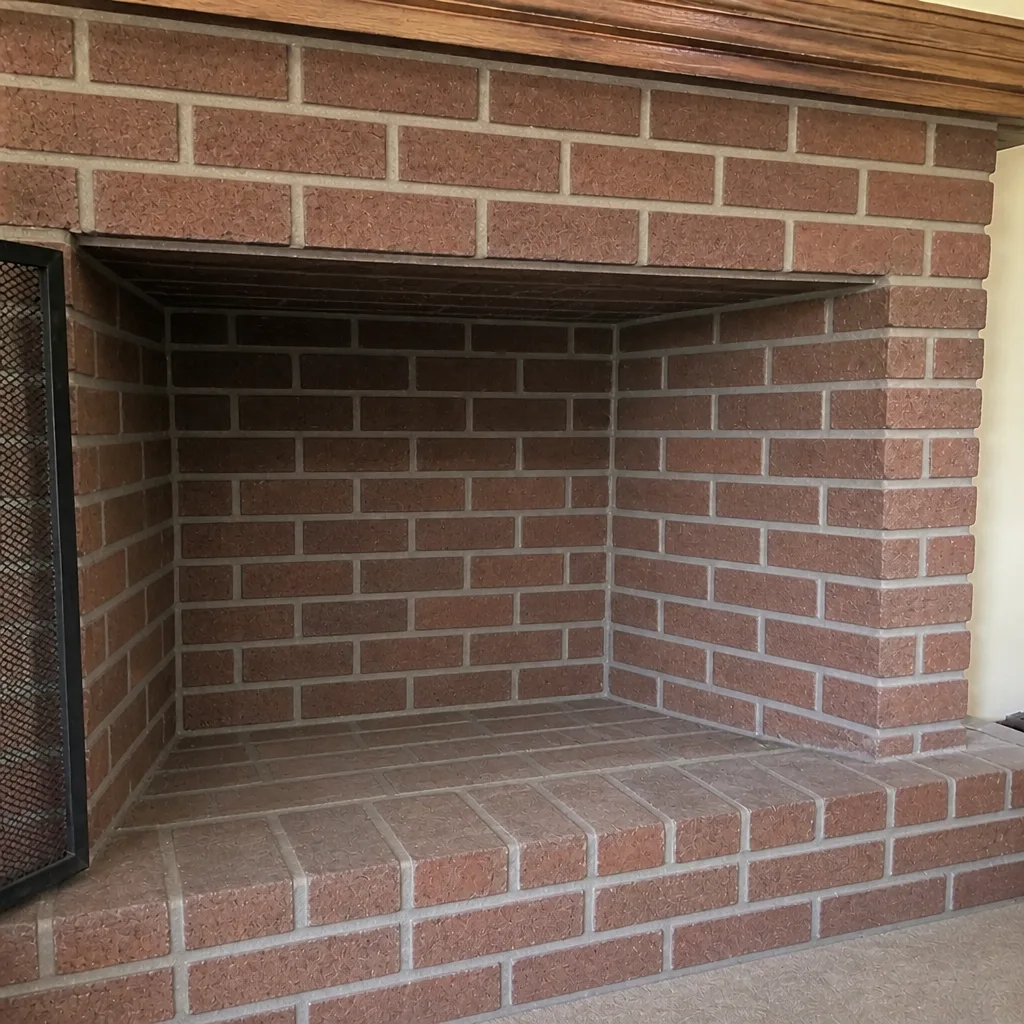
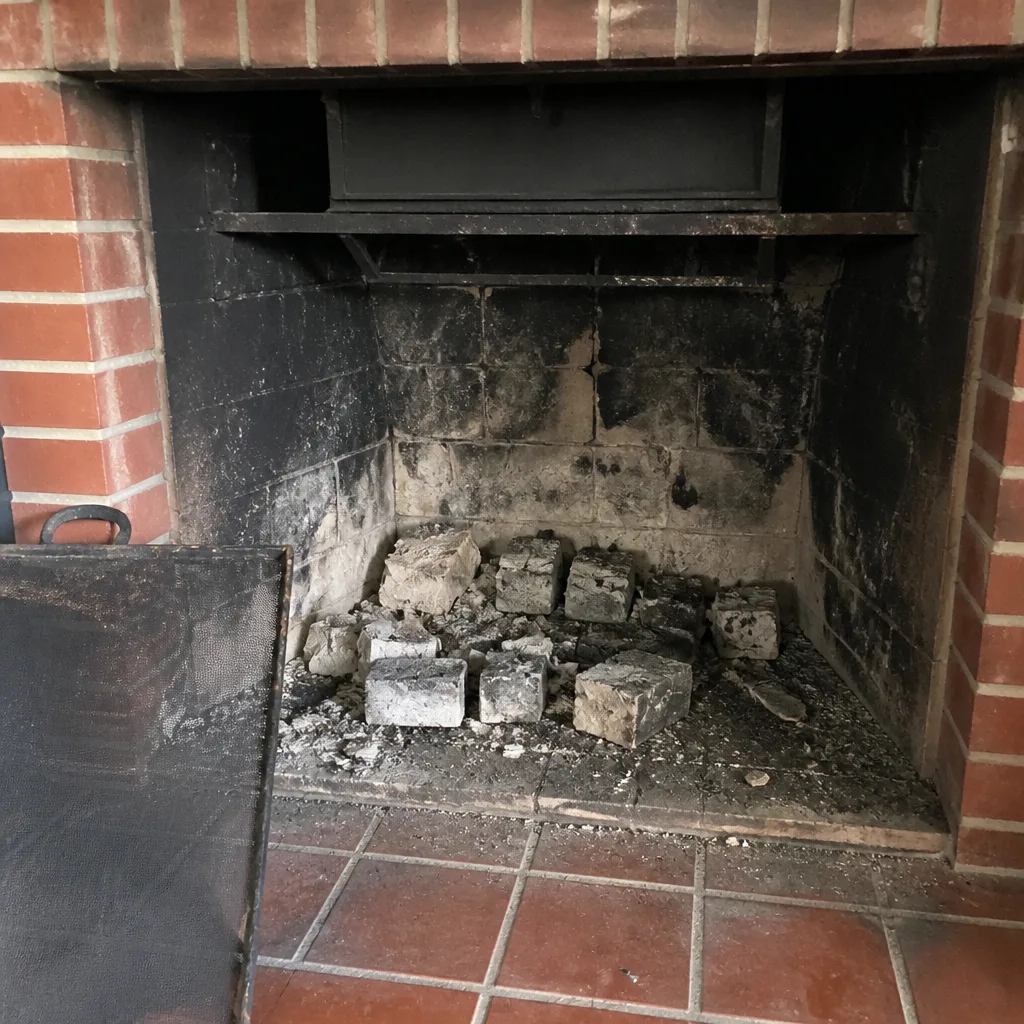
See the difference
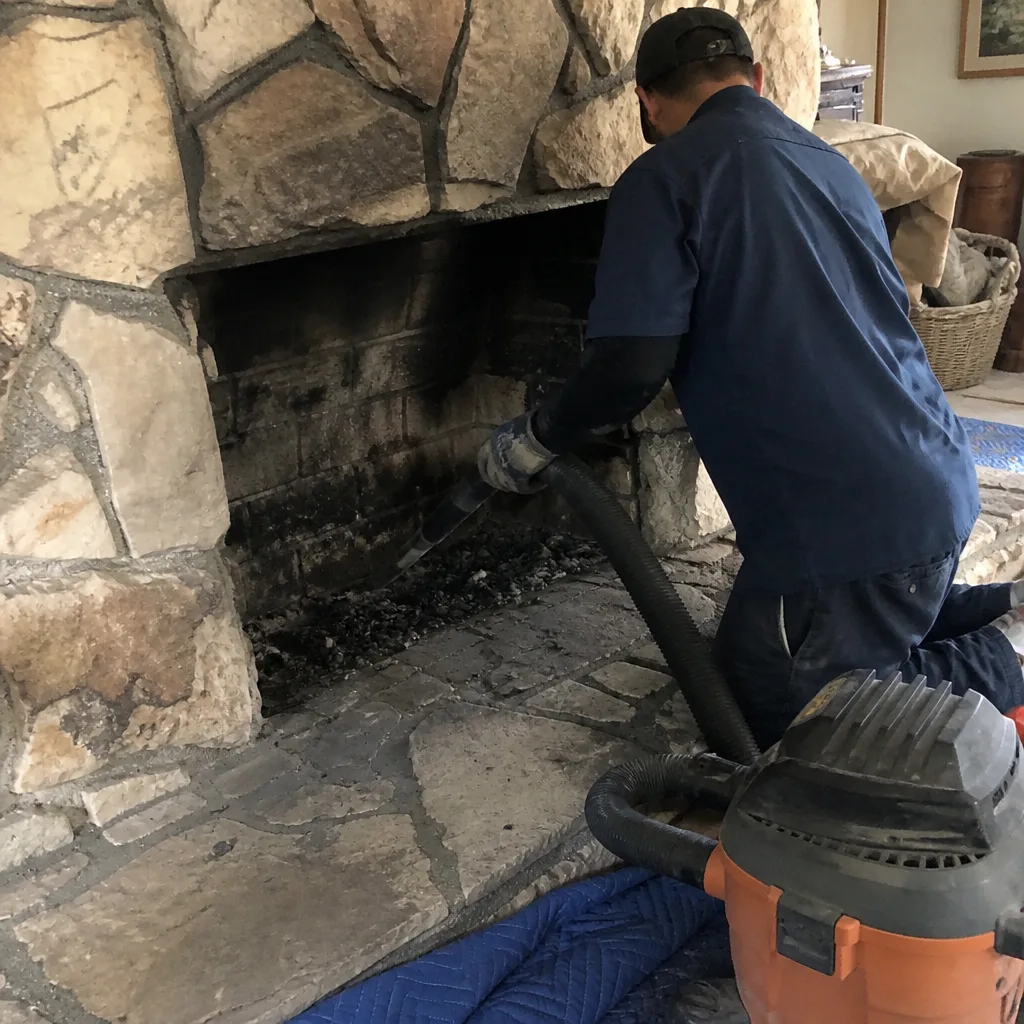 Before
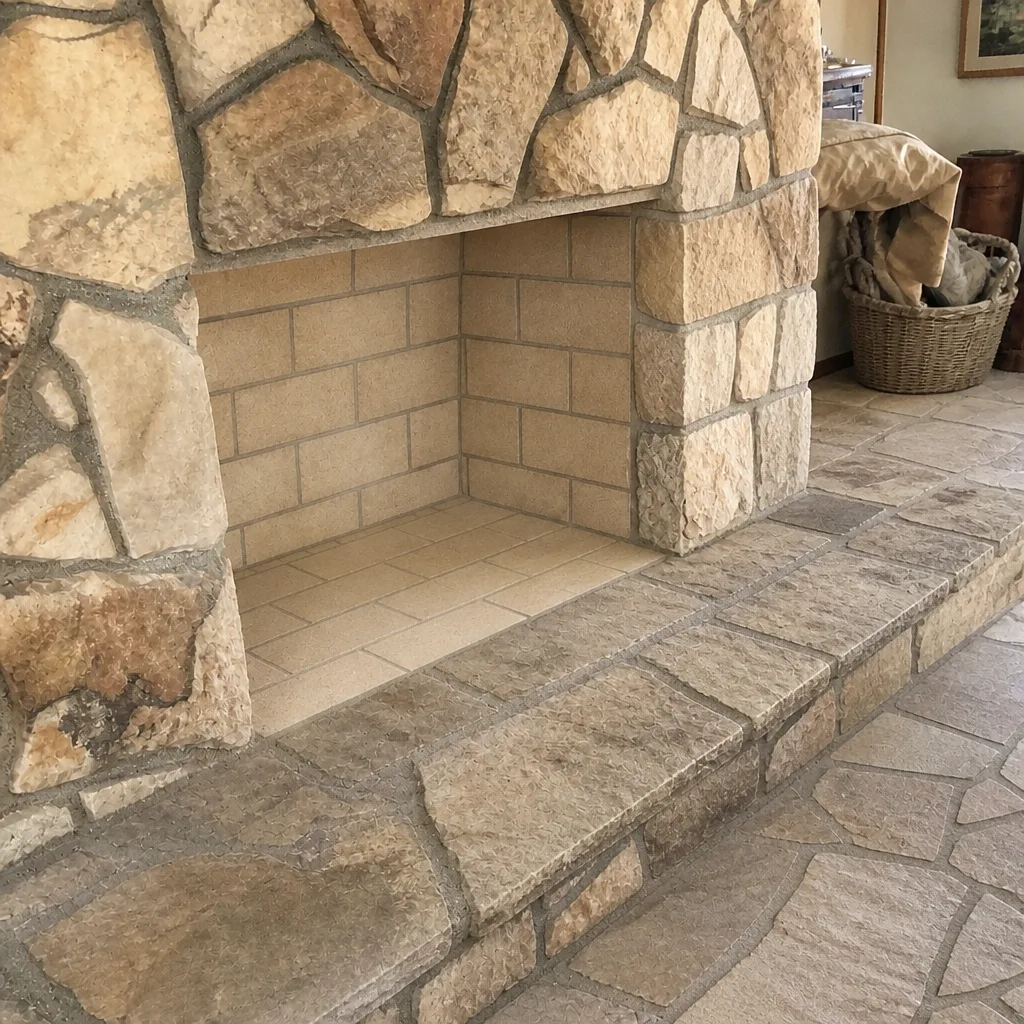 After
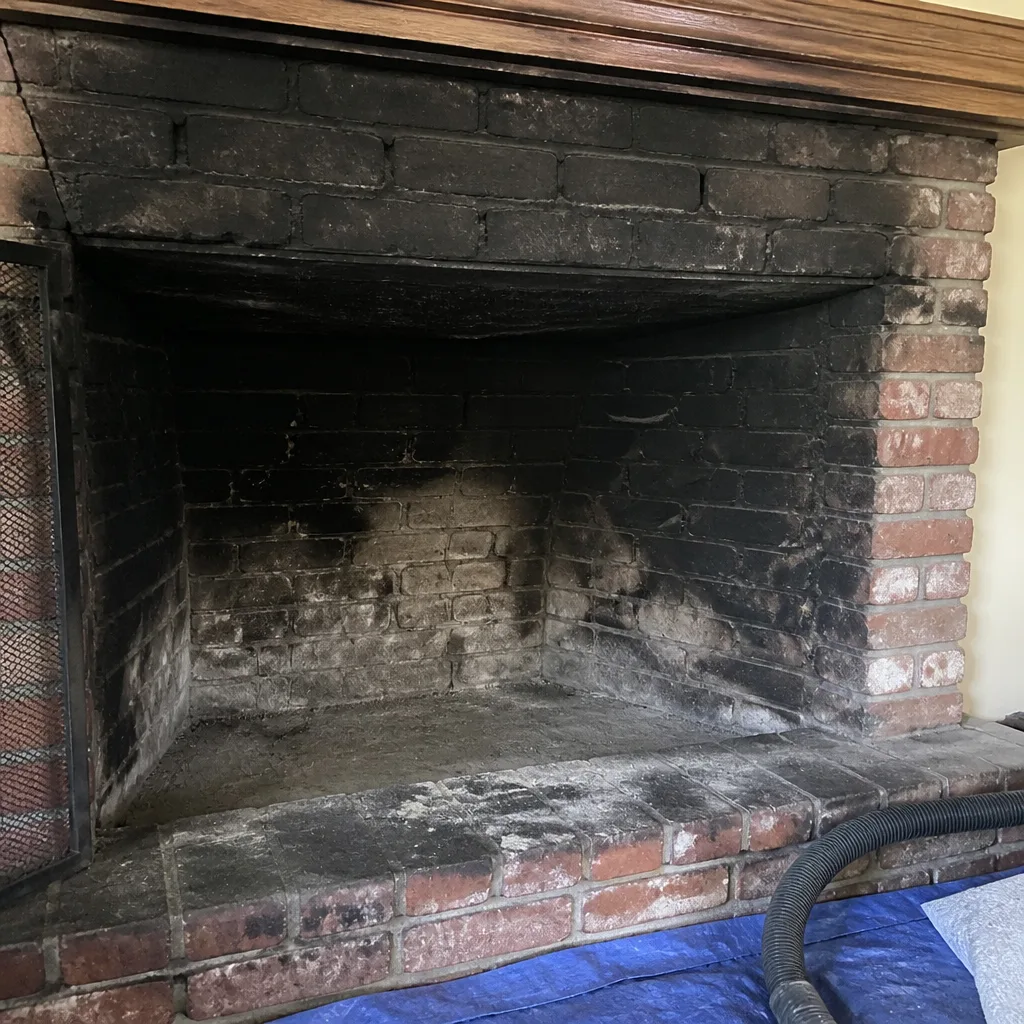 Before
 After
 Before
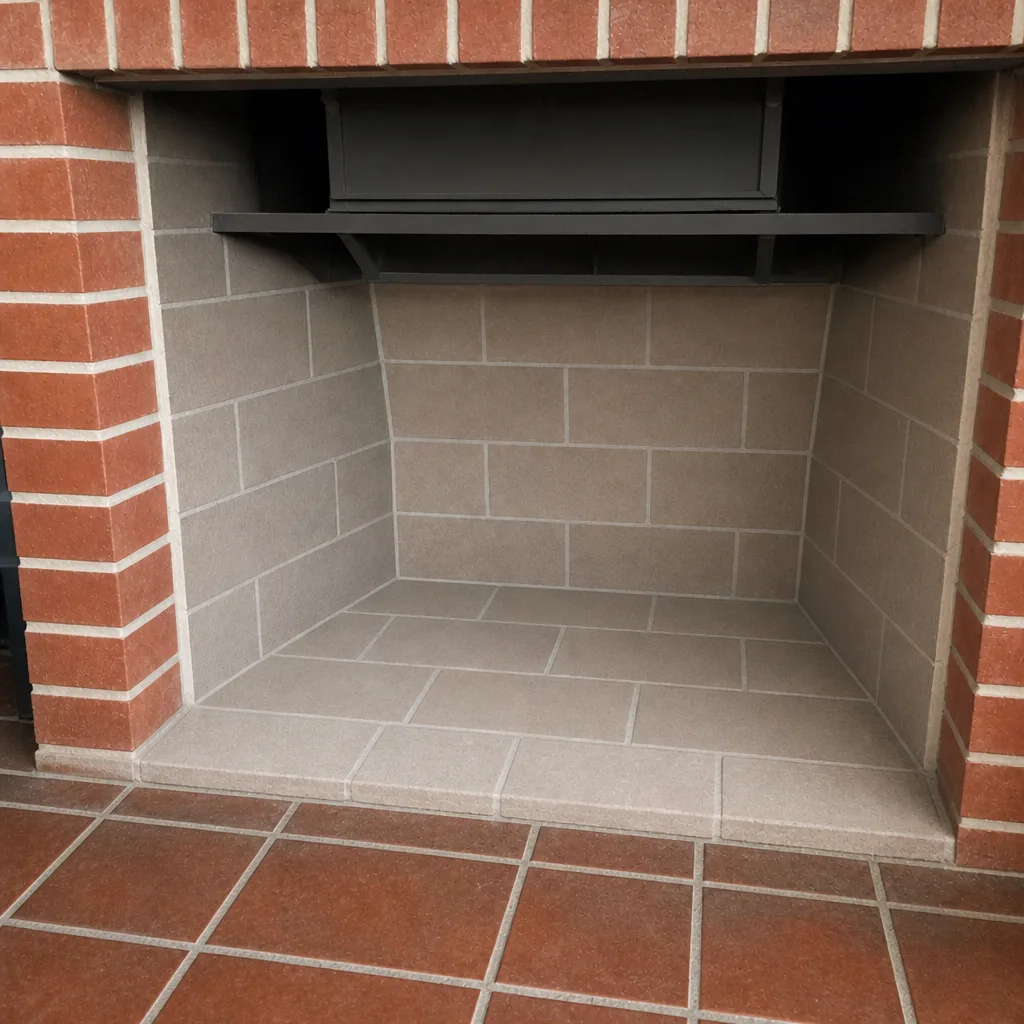 After
When to Call a Professional
Call a professional when the firebox smokes into the room, when you can see glazed creosote on the damper or firebox walls, when the crown is cracked or the cap is missing, or when you’ve bought a Placentia home and don’t know the chimney’s history. Call if you notice staining on the chase, a strong odor from the fireplace, or a flue that hasn’t been inspected in years. These are all signals that a camera-assisted inspection is due, not a guess from the ground. Placentia Chimney Sweep offers free estimates in Placentia – call (866) 585-7269. Our technicians have up to 14 years of experience, and nothing gets recommended without a photo you can see for yourself.
Frequently Asked Questions
A standard chimney cleaning in Placentia is typically estimated per job, with the written estimate setting the final price. The cost depends on the creosote stage, the flue type and whether repair work is involved. Because a cleaning here often includes diagnosis and a camera report, the estimate reflects the full visit rather than a flat brush-and-go rate. Call (866) 585-7269 for an exact quote – estimates are free.
Most Placentia homes should have the chimney inspected annually, with cleaning as the inspection indicates. If eucalyptus or pine is your primary firewood, plan on cleaning every year. The camera finds the glaze a visual check misses, so the schedule follows what’s actually in the flue. Call (866) 585-7269 to book an inspection and get a clear answer for your chimney.
Only when the camera evidence shows the existing liner is compromised – cracked tiles, separated joints or a failed metal liner. Many flues can be repaired instead of relined. HeatShield ceramic resurfacing can restore a damaged flue as a cost-effective alternative to full DuraFlex liner replacement, and our technicians are certified to apply it. If a contractor recommends relining without showing you a photo, ask for the evidence before you decide. Call (866) 585-7269 for an inspection with documented findings.
Skipping inspection lets glazed creosote accumulate until it becomes a fire risk, and lets small crown or cap failures turn into water-damaged masonry. The damage compounds quietly; by the time the firebox smokes, the repair is usually larger than a cleaning would have been. The flue doesn’t fail all at once, and early findings are easier and cheaper to fix. Call (866) 585-7269 to catch problems while they’re still small.
A Level 2 inspection applies after a home purchase, because it includes a camera scan of the flue interior and a check of accessible attic and crawl space areas. A Level 1 visual check isn’t enough when the chimney’s history is unknown, and Placentia’s older masonry chimneys are exactly where hidden defects turn up. Call (866) 585-7269 to schedule a Level 2 inspection.
Yes, crown and cap work can be assessed and handled in the same engagement as the cleaning, which is what full-cycle service means. We document the crown and cap condition during the visit and use trade-grade components from brands like Olympia Chimney and Gelco when repair or replacement is needed. One contractor handles inspection, cleaning and structural repair, so nothing falls between visits. Call (866) 585-7269 for a free estimate.
The Bottom Line
Chimney cleaning in Placentia works best when it’s treated as a diagnostic-and-cleaning sequence, not a brush-and-go service. Short burn seasons and resinous local firewoods produce glazed creosote that a standard sweep misses, and a home purchase or remodel calls for a Level 2 inspection with a camera. Read the cleaning report, ask for the photos behind any repair recommendation, and trust the crown and cap to protect the work. Full-cycle service – inspection, cleaning, repair authorization in one visit – keeps one contractor accountable for the whole chimney. Our technicians have up to 14 years of experience, and every recommendation comes with evidence you can see.
Contact Us
Whether you need a routine chimney sweep or a full inspection after a home purchase, we’ll start with what’s actually in your flue and show you what we find. Call (866) 585-7269 for a free estimate. We answer 24/7. Fast dispatch from 7am to 7pm, Sunday through Friday.
Written by the team at Placentia Chimney Sweep.